Tokyo
Tokyo Bangkok
 Seoul
Seoul Singapore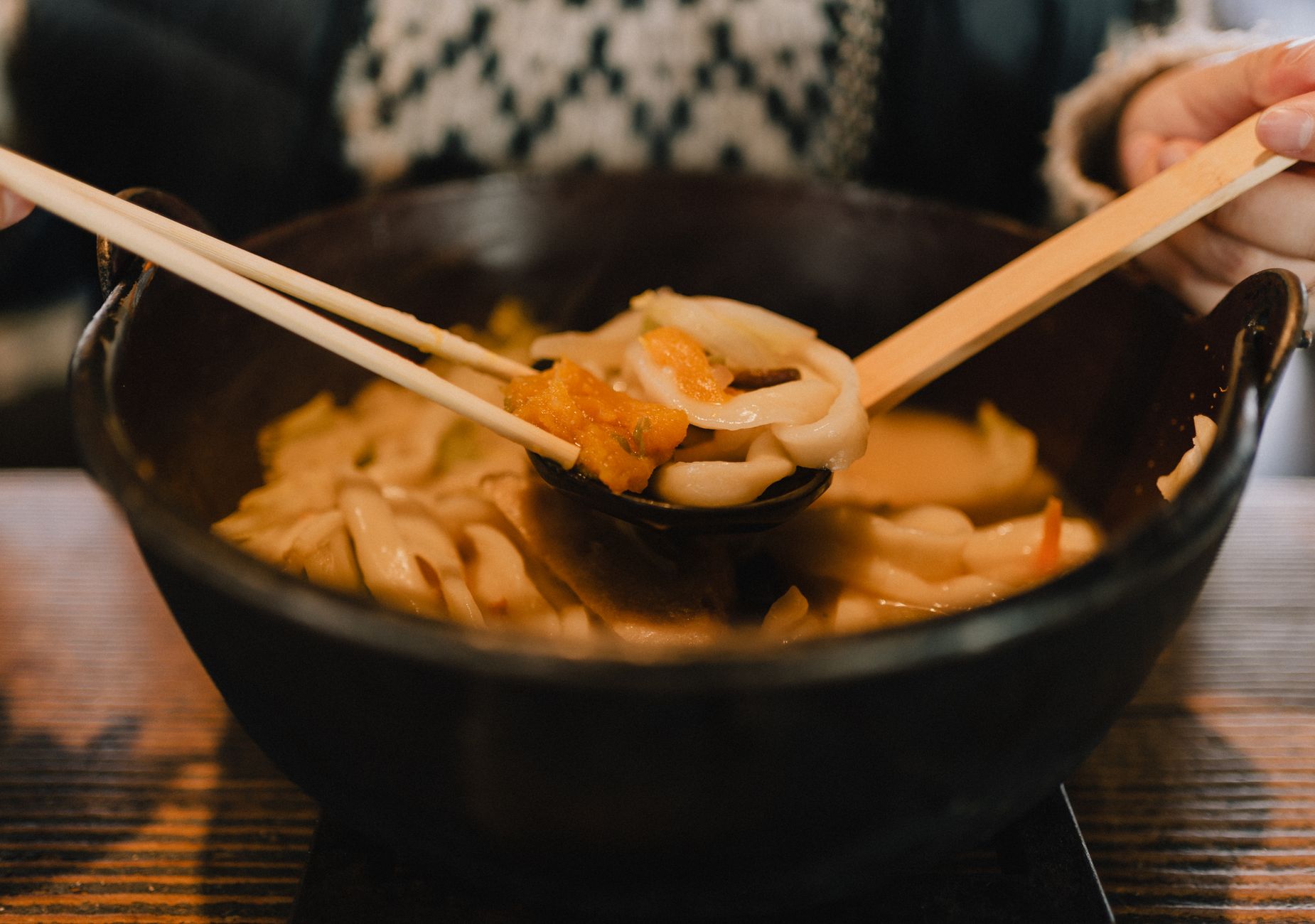
Kitsune Udon: What It Is, Where to Find It, Why It Matters
You’re in Osaka with two days and a list of 40 udon spots that all look the same online. Which ones actually deliver? And what even is kitsune udon? Let’s break it down.
Kitsune Udon: Simple Comfort Food That’s Easy to Mess Up
Kitsune udon is just thick noodles in broth with a slab of fried tofu on top. That’s it. The name comes from fox spirits in Japanese folklore—they supposedly love fried tofu. No fancy techniques here. Just warmth in a bowl.
What makes a $5 bowl better than a $12 one? Three things: broth, tofu, and noodles. Good broth takes time—real dashi stock, not powder. The tofu should be thick enough to crisp outside while staying soft inside, not some sad greasy sheet. And the noodles? They should fight back a little when you bite. Mushy means they’ve been soaking too long.
Tourist spots often cut corners with instant broth. You’ll know immediately—it tastes flat. Osaka’s version leans salty and dark; Kagawa’s is lighter. Both work. Just pick your mood.
Osaka Does Reliable, Kagawa Does Obsessive
In Osaka, hit Marugame Seimen. It’s a chain, but the good kind—noodles made fresh, decent broth, only ¥500-700. Their tofu has proper heft. The Dotonbori station location usually has the shortest line. Pro move: add a raw egg for extra richness.
Want the real deal? Take the 2.5-hour train to Kagawa. Yamamotoya in Takamatsu has been slinging udon since 1952. Broth made daily, tofu with actual texture, noodles with serious chew. ¥900-1200. It’s counter seating only, and they’ll hustle you out fast. That’s how it works.
Outside Japan: London’s Koya does a solid £9-11 bowl. Sydney and New York’s Ippudo locations are okay for $12-14. Not life-changing, but they use real broth. No shame in these.
Tourist Traps Serve Soggy Tofu and Sad Broth
Most kitsune udon near train stations? Overpriced and underwhelming. They’ll charge ¥1200 for broth that’s been sitting all day. Tofu turns to mush. Noodles get limp.
Here’s the trick: go where locals eat lunch. Follow the salarymen, not the tour groups. Quiet neighborhood spots live or die by regulars, so quality stays high. Prices drop to ¥600-800. This is how the dish was meant to be—quick, cheap, satisfying. No frills.
Red flag: any place charging over ¥1500 for basic kitsune udon. Unless they’re using gold-leaf tofu, it’s probably not worth it.
Try this: Skip the famous spots. Find a tiny lunch counter, pay under ¥800, and taste what kitsune udon should be. You’ll get it.