Tokyo
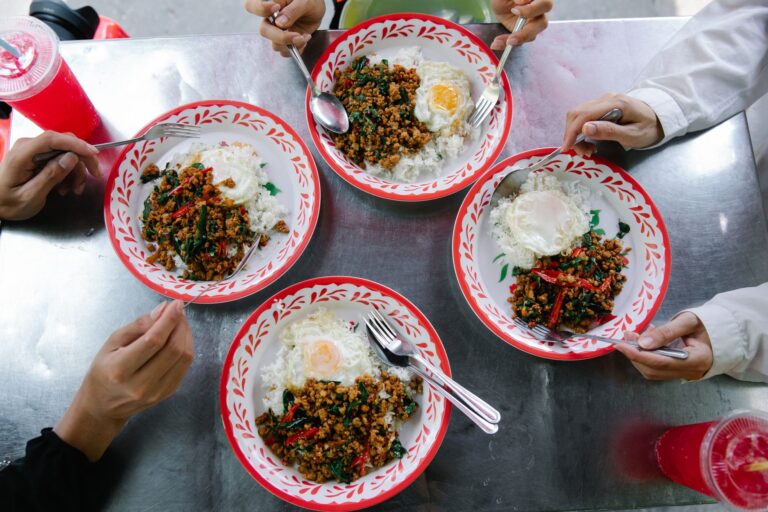
Tokyo Bangkok
 Seoul
Seoul Singapore
Thai Tub Tim Grob Recipe: Street Vendor Secrets at Home
Tub Tim Grob didn’t come from a palace kitchen or temple recipe—it was born on Bangkok’s sweltering streets in the 1960s. Vendors needed a dessert that could handle the heat and still refresh. The name translates to “crushed rubies,” a perfect description for those glistening water chestnut pieces. But this isn’t just eye candy. It’s a crash course in Thai flavor balance: sweet, sour, salty, and spicy, all playing nice in one bowl.
Why the Four-Flavor Balance Actually Matters Here
Most Thai dishes let flavors take turns. Not Tub Tim Grob. Here, they team up. Palm sugar or caster sugar (about 150 grams per cup of water) brings the sweetness. Tamarind paste—often stirred right into the syrup at Chatuchak Market stalls—handles the sour. A quarter teaspoon of salt keeps things from getting too sugary. The kick? A whisper of cayenne or chili powder mixed into the syrup itself, not dusted on top. That means every spoonful tastes the same—no surprise spice bombs. Street vendors get it: this dessert should cool you down, not set you on fire. The chili sneaks up only after the sweetness hits.
Getting the Texture Right: Water Chestnuts and Coconut Cream
Canned water chestnuts are non-negotiable. Fresh ones don’t crunch right. Drain them well, then cut into quarters—smaller pieces soak up syrup better. Full-fat coconut cream is key. Pour it cold over the chestnuts without stirring; that creamy white against ruby red syrup is half the fun. Some add tapioca pearls or ice, but purists stick to chestnuts and cream. Temperature’s crucial: warm syrup meets fridge-cold cream. That contrast makes it sing, especially when Bangkok’s humidity tries to melt you.
Making the Syrup: The Vendor’s Actual Technique
Keep it simple. Dissolve 150 grams palm sugar (or light brown sugar) in 300ml water over medium heat—about three minutes. Off heat, mix in tamarind paste (1 tbsp + 2 tbsp water), a quarter teaspoon salt, and an eighth teaspoon cayenne. Taste. Sweet should lead, then sour, then a slow warmth. Too sweet? More tamarind. Too tart? More sugar. This taste-test separates the real deal from tourist-trap versions. Let the syrup cool completely. Vendors often make theirs at dawn—the flavors settle and soften by serving time.
No fancy gear needed for homemade Tub Tim Grob. Just nail the balance and temps. Make syrup ahead, keep cream cold, assemble last minute. Suddenly, sixty years of Bangkok street carts make perfect sense.