Tokyo
Tokyo Bangkok
 Seoul
Seoul Singapore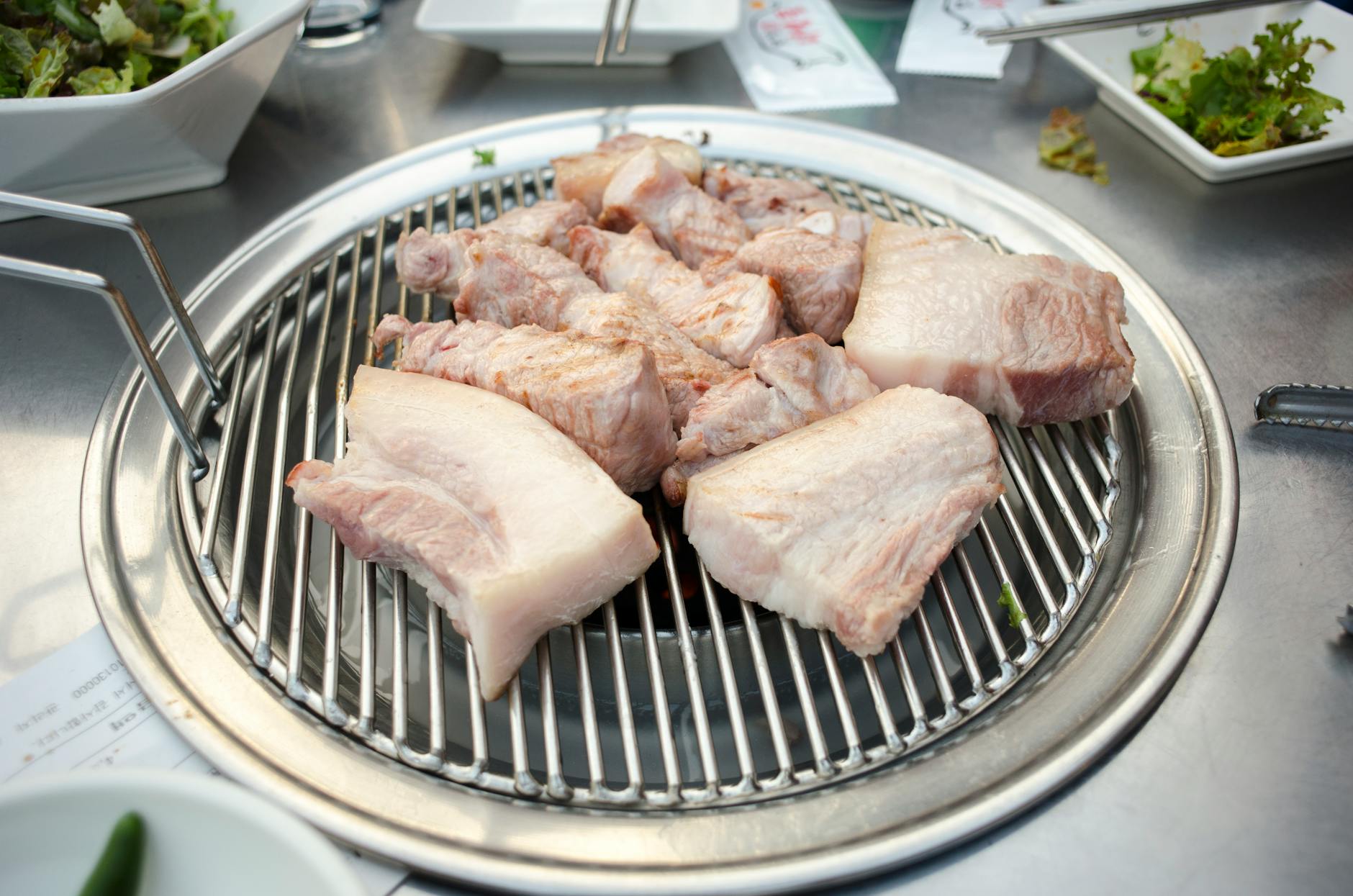
Korean BBQ Marinades: Make Bulgogi, Galbi, Spicy Pork at Home
Three days in Seoul? Skip the two-hour waits at touristy spots. Here’s a better idea: learn to make Korean BBQ marinades at home. You’ll finally get why some meals cost $40 while others are $12—and you can actually recreate the magic later.
Forget the Meat—It’s All About the Marinade
Korean BBQ hinges on the marinade. The cut—beef brisket, pork shoulder, short ribs—doesn’t matter as much. What makes the difference? How long the meat soaks, the soy-sugar-fruit juice ratio, and whether the marinade pulls double duty as a tenderizer. Pear, kiwi, and ginger break down tough fibers. Skip them, and you’re basically brining meat in salty water.
Bulgogi leans sweet with pear and sesame. Galbi (short ribs) goes deeper with soy and garlic. Spicy pork? Totally different—it’s all about gochugaru and gochujang, with just a hint of sugar. Each one shows how Korean cooks balance flavors.
The Three Marinades: Get the Ratios Right
Bulgogi Marinade (for 2 lbs beef brisket or ribeye, sliced thin): 1/2 cup soy sauce, 1/4 cup brown sugar, 1 grated Asian pear, 4 minced garlic cloves, 2 tablespoons sesame oil, 1 tablespoon mirin, 1 teaspoon black pepper, 1/2 teaspoon grated ginger. Mix it all. Add meat. Let it sit 4-8 hours, or overnight. The pear’s the star—it tenderizes. Don’t swap it for apple juice. Enzymes matter.
Galbi Marinade (for 2 lbs short ribs, cut across the bone): 1/2 cup soy sauce, 1/3 cup brown sugar, 1/4 cup mirin, 1/4 cup sesame oil, 6 minced garlic cloves, 1 tablespoon grated ginger, 1 grated Asian pear, 2 tablespoons rice vinegar, 1 teaspoon black pepper. Richer, darker. Extra garlic and mirin add depth. Marinate 6-12 hours. Galbi needs time—the flavor has to reach the bone.
Spicy Pork Marinade (for 2 lbs pork shoulder, sliced thin): 1/3 cup gochujang, 2 tablespoons gochugaru, 1/4 cup soy sauce, 3 tablespoons brown sugar, 4 minced garlic cloves, 1 tablespoon grated ginger, 2 tablespoons sesame oil, 1 tablespoon rice vinegar, 1 teaspoon black pepper. Spicy, not sweet. Chili paste and flakes do the work. Only marinate 2-4 hours—pork turns overpowering fast.
Secrets Seoul Restaurants Keep Quiet
The best spots don’t marinate for days. Just 4-6 hours before serving. Why? Too long, and meat turns mushy. Pear and ginger work fast. After 12 hours, you’ve gone past tender into weirdly soft. That’s why restaurant marinades taste different—they’re fresh, not day-old.
Grill heat matters too. Korean BBQ joints use tabletop grills dialed to the perfect temp—hot enough to sear in 90 seconds, not so hot it burns. At home, crank your grill or cast iron. Don’t overcrowd. Thin beef? Thirty seconds per side. Galbi needs longer because of the bone.
One more thing: the grill’s seasoned. Years of meat fat and marinade build up on restaurant grills. That’s flavor. Your first try at home won’t match Seoul. By the fifth attempt, you’ll get closer.
Try this: Make the bulgogi marinade this week. Use it on thin-sliced brisket or ribeye. Grill it hot and fast. You’ll see why Korean BBQ is about the marinade, not fancy techniques. Then tackle galbi and spicy pork. Nail all three, and you’ve got the blueprint for every great Korean BBQ meal.