Tokyo
Tokyo Bangkok
 Seoul
Seoul Singapore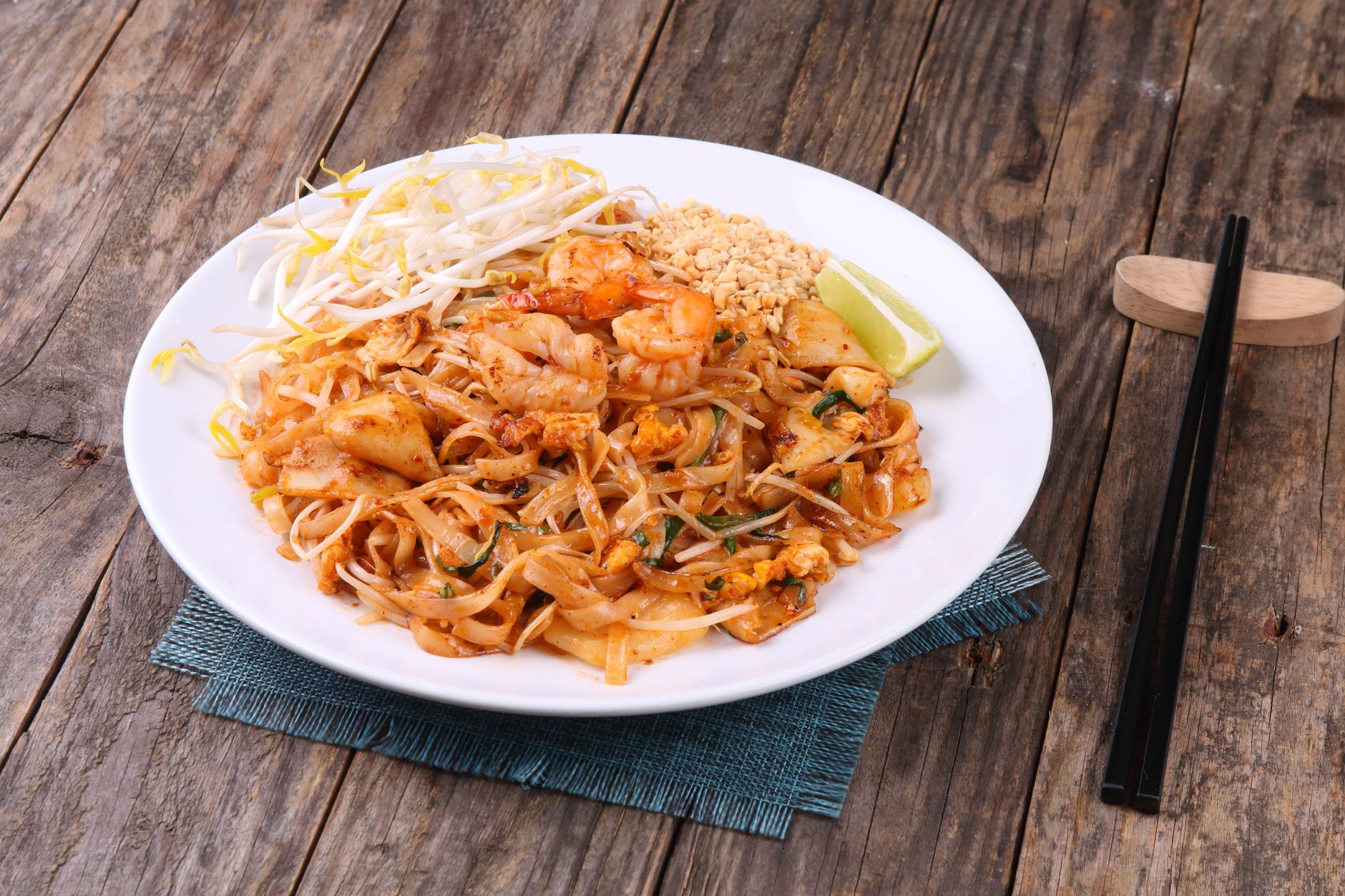
Pad Thai Sauce Recipe: The Perfect Tamarind-Fish Sauce Ratio
Here’s a fun fact: Pad Thai wasn’t Thailand’s national dish until the 1930s. The government literally pushed it as a way to unite the country. But here’s the twist—the sauce isn’t some ancient recipe. It’s a carefully crafted mix of three ingredients that weren’t even all available in Thailand until recently. Get this sauce right, and you’ll understand Thai cooking at its core.
Why These Three Ingredients Matter More Than You Think
Tamarind paste, fish sauce, and palm sugar—the holy trinity of Thai flavor. Tamarind brings a deep, fruity sourness, nothing like vinegar. Fish sauce (nam pla) packs a salty, umami punch. Then there’s palm sugar. Not the flat sweetness of white sugar, but something richer, with hints of molasses. Together? Magic.
Alone, each ingredient falls short. Tamarind tastes medicinal. Fish sauce is overwhelming. Palm sugar cloys. But combined just right, they click into place. That’s why pad Thai sauce varies so wildly—it’s all about the ratios. Most recipes don’t tell you that.
The Authentic Ratio That Actually Works
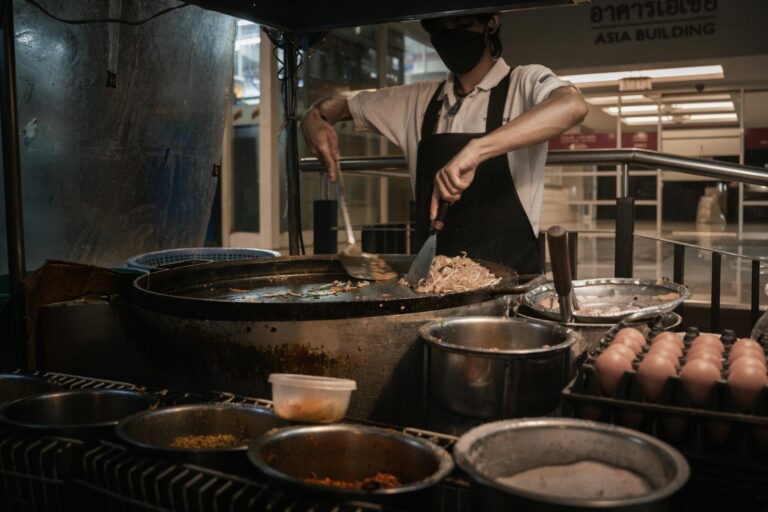
Street vendors in Bangkok and Chiang Mai swear by this: 3 tbsp tamarind paste, 2 tbsp fish sauce, 1 to 1.5 tbsp palm sugar, plus 2-3 tbsp water. Enough for two servings (about 4-5 cups of noodles).
Start by dissolving the palm sugar in warm water—no one wants gritty sauce. Add tamarind next. If you’re using the block kind, soak it first, then strain. Fish sauce goes last. Taste as you mix. Sour should hit first, then umami, then sweetness. Too sweet? Cut the sugar. Too fishy? Ease up on the sauce.
Some regions tweak it. Up north, they go heavier on tamarind for extra tang. Down south, a dab of chili paste sneaks in. But that 3:2:1 ratio? That’s the backbone.
Sourcing Ingredients That Actually Make a Difference
With just three ingredients, quality matters. For tamarind paste, hit up a Southeast Asian market—look for Thai or Vietnamese brands. It should be dark, almost black, with a sharp fruity smell. Skip anything that seems off.
Fish sauce freaks people out, but brands like Red Boat or Three Crabs won’t steer you wrong. It should smell like concentrated ocean, not chemicals.
Palm sugar? Go for Thai or Cambodian. The flavor’s deeper than brown sugar, though brown sugar works in a pinch. Just dissolve it fully.
Make the sauce fresh every time. Three minutes, and your noodles go from meh to wow. That’s the real street vendor secret—consistency comes from doing it right, every single time.