Tokyo
Tokyo Bangkok
 Seoul
Seoul Singapore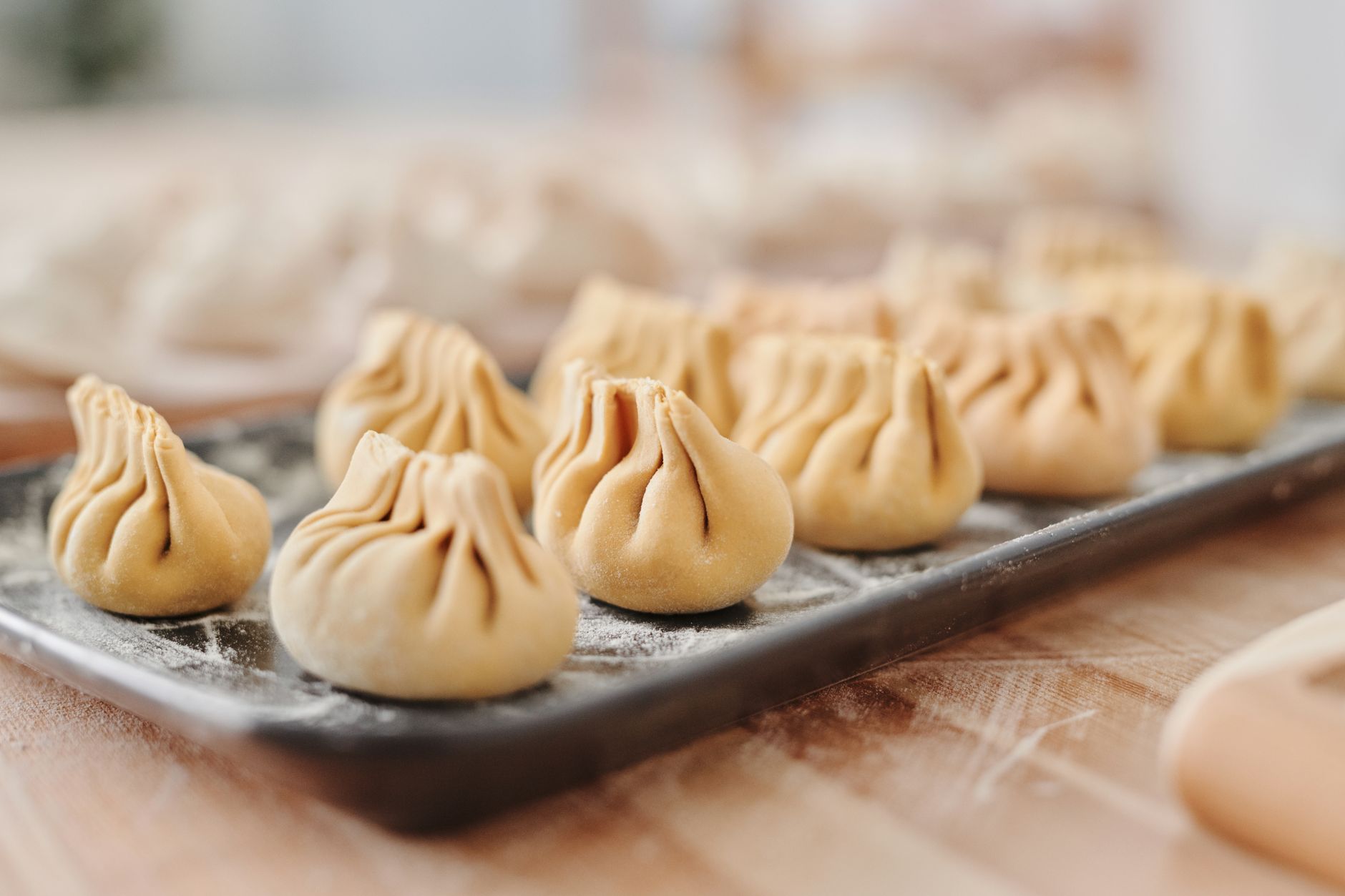
Hot Water vs Cold Water Dumpling Dough: Which Method Wins
Most home cooks mess up dumpling dough—not from lack of skill, but bad advice. Everyone says cold water is standard. That’s wrong. The truth? It depends what you’re making and how you want those wrappers to act. After observing dumpling masters in Shanghai’s Nanxiang and Melbourne’s Chinatown, one thing’s clear: the pros pick water temperature like a tool, not a rule.
Hot Water Dough: The Game Changer
烫面 (tàng miàn)—hot water dough—works completely differently. Boiling water hits flour, starch gelatinizes instantly. Result? Softer, stretchier dough that’s way easier to handle. This method rules northern China, especially Beijing and Shanxi, where steamed dumplings and crispy potstickers dominate.
Here’s the kicker: hot water dough skips the long wait. Roll and fill in 15 minutes flat. The texture turns pleasantly chewy, forgiving for beginners. At Sydney’s Golden Dragon in Haymarket, they use it for shumai because soft dough won’t tear when crimped. Just don’t boil these—they’ll split if your water’s too hot.
Cold Water Dough: Built to Last
Cold water dough plays the long game. Room-temp water and salt need 20-30 minutes to hydrate fully, letting gluten develop slowly. What you get? Wrappers that survive boiling without falling apart. This is Guangzhou and Hong Kong’s go-to for their prized 水饺 (shuǐ jiǎo).
Knead it hard. Ten minutes minimum, until smooth and shiny. That gluten structure? Hot water can’t touch it. Bite into one and you’ll know—tender but with backbone, like good pasta. The catch? It’s finicky. Too little water cracks it; too much turns sticky. Even seasons change how it behaves.
Pick Your Fighter
Hot water for steaming or frying—softness wins. Cold water for boiling—structure matters. Shanghai’s xiaolongbao masters use hot water for those paper-thin skins. Beijing’s Qianmen shops swear by cold water for boiled dumplings that hold up.
The ratios don’t lie: hot water dough takes 2:1 flour to boiling water (plus salt). Cold water needs 3:1 flour to water with ½ tsp salt per cup. Less liquid in hot water dough because the starch is already cooking.
Forget “right” or “wrong.” Try both. Tuesday: hot water dough, pork and chive potstickers. Thursday: cold water dough, boiled dumplings. Taste the difference. That’s when you start getting it.