Tokyo
Tokyo Bangkok
 Seoul
Seoul Singapore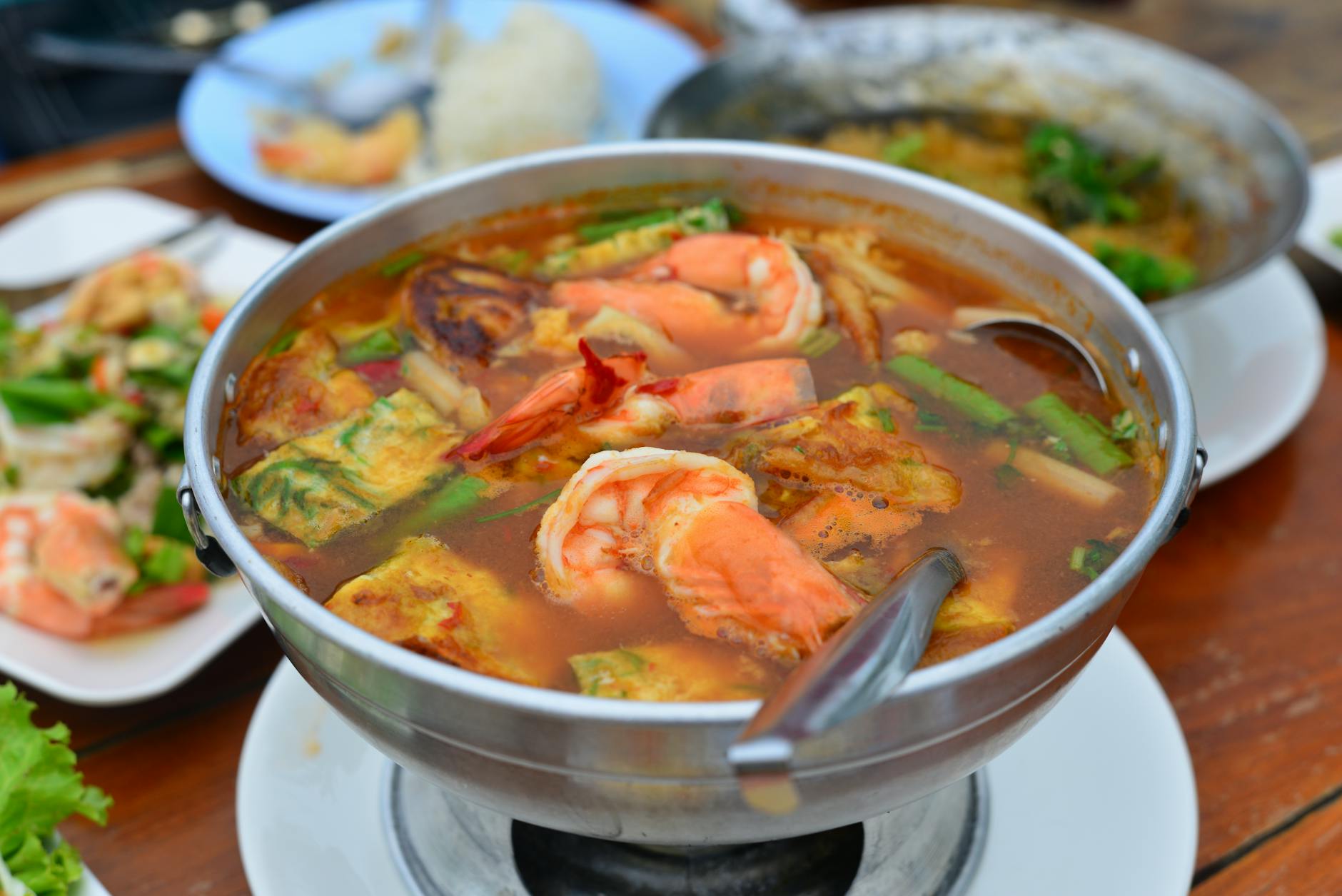
Thai Yen Ta Fo Recipe: Authentic Street Vendor Technique
Yen ta fo didn’t come from a palace kitchen or a fancy chef—it was born in Bangkok’s Chinatown, where street vendors in the mid-20th century needed a clever way to use up leftovers. They tossed fermented red bean curd, squid ink, and whatever proteins were lying around into one weirdly delicious bowl. Today, it’s a Bangkok staple, but barely known outside Thailand. What’s special isn’t just the mix of flavors—it’s how four strong tastes somehow work together instead of fighting.
Why the Four Flavors Actually Matter Here
Thai food loves talking about sweet, sour, salty, and spicy balance, but yen ta fo shows it’s not just talk. Unlike pad thai or green curry, where one flavor usually wins, this soup needs real equilibrium. Fermented red bean curd (nam pla wan) brings salty funk. Fish sauce doubles down on that. Palm sugar adds subtle sweetness—just enough to take the edge off. Lime and tamarind punch back with sourness, while chili paste or fresh bird’s eye chilies bring heat without stealing the show. If one flavor dominates, the whole thing falls flat. Vendors in Yaowarat tweak their broths for years, adjusting by tiny amounts. That’s what makes a great bowl.
Building the Broth: The Non-Negotiable Foundation
Most home cooks mess up the broth first. Use pork or chicken stock—never water—and simmer it with fermented red bean curd. Find it in Asian markets as “nam pla wan” or “red bean curd”: reddish blocks floating in brine. Don’t skip it. Blend two tablespoons with a cup of warm stock, strain out any grit, then add to your pot with fish sauce, tamarind paste, and palm sugar. It should smell funky. Almost weird. That’s normal. Simmer for ten minutes, then taste. Flat? More fish sauce. Too sour? More sugar. Too sweet? More lime. Keep adjusting. Your tongue is the boss here.
The Assembly: Texture and Temperature Precision
Yen ta fo’s magic is in the textures. You’ll need thin rice noodles (sen lek), chewy tapioca balls, tofu puffs, squid, and shrimp. Some throw in blood cockles; others keep it simple. Cook each thing separately—noodles for two minutes, squid and shrimp for 30 seconds, tapioca balls for five minutes until clear. Layer them in the bowl, then pour hot broth over everything right before serving. Wait too long, and the noodles turn to glue. Serve with chilies, lime, and extra chili paste on the side so everyone can dial up the heat.
Making yen ta fo at home takes work. Start with good stock, get real fermented bean curd, and taste as you go. Your first try might need fixes. That’s okay—even the pros are still tweaking theirs.