Tokyo
Tokyo Bangkok
 Seoul
Seoul Singapore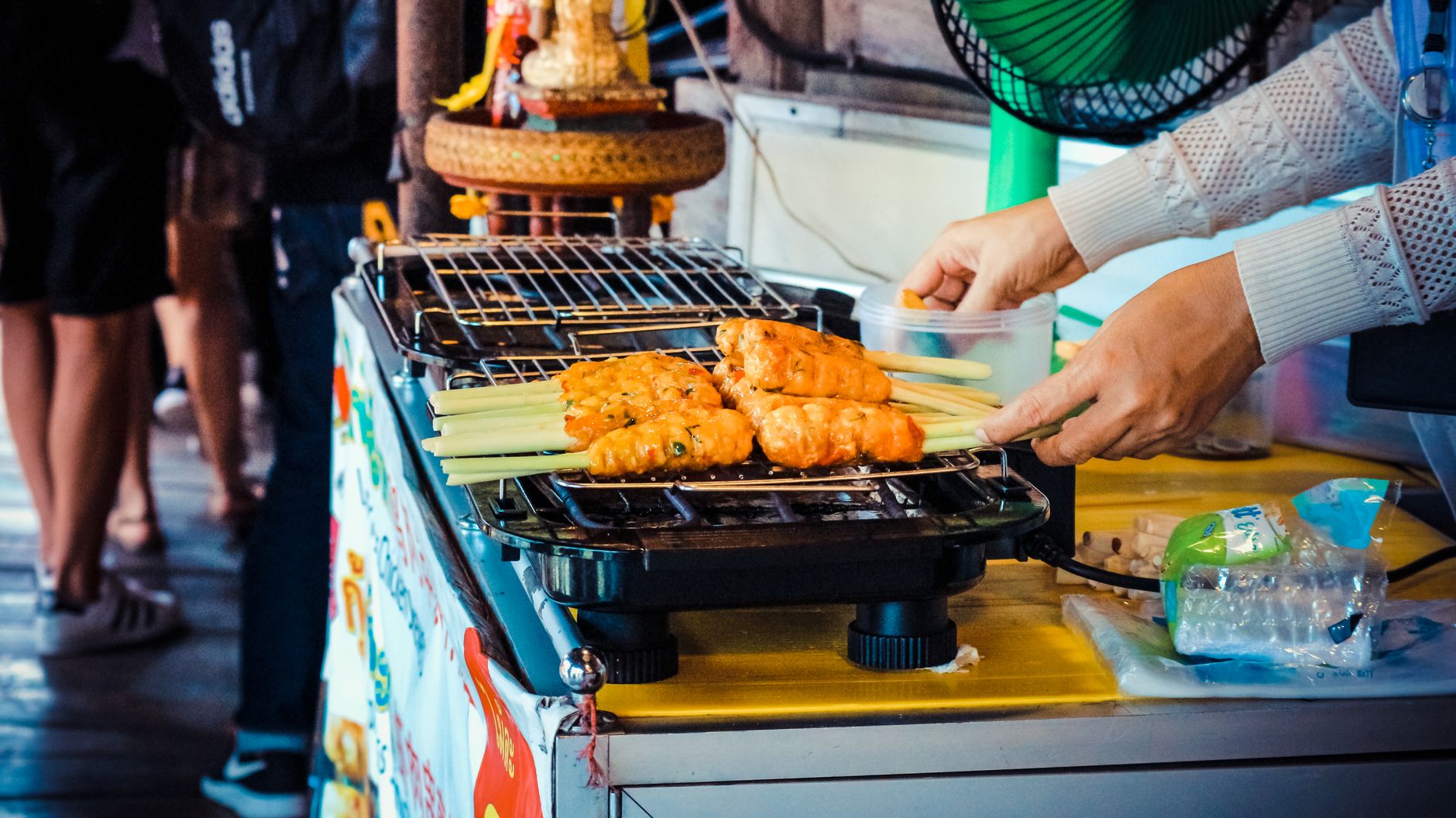
Make Sai Krok Isan at Home: Thai Street Sausage Recipe
Sai krok isan hits different when it’s unapologetically sweet. Western cooks often miss this, treating it like salami and skimping on the palm sugar. Hit up any night market in Khon Kaen and you’ll see—the good vendors crank up the sugar. It’s not a mistake. That caramelized sweetness, the funky pork, and the punch of lime? Near impossible to nail at home. But damn, it’s fun to try.
Forget the Casing—It’s All About the Filling
Recipes obsess over sausage skins, but that’s missing the plot. The magic happens in the mix. Real-deal sai krok isan blends pork shoulder with sticky rice, garlic, chilies, and fish sauce. Here’s the kicker: that rice isn’t just bulk. It’s the glue that gives the sausage its springy bite. Cook jasmine rice until it’s properly sticky, then smash it halfway to paste with a mortar. Takes ten minutes. Skip this, and you’ll get a sad, chewy log. Add a stupid amount of garlic (at least eight cloves per kilo), minced bird’s eye chilies, and decent fish sauce—two tablespoons per kilo of pork. Mix with your hands until it feels tacky and holds shape. No shortcuts.
The Four Flavors Street Vendors Won’t Tell You
Sai krok isan rides on four tastes. Nail the ratios, and you’re golden. Sweet? Three tablespoons palm sugar per kilo, melted into the meat. Salt? Fish sauce, plus curing salt if you’re fermenting (which you should—two to three days). Sour comes later with lime. Spicy? Chilies in the mix, plus extra on the side. Taste as you go. The raw mix should be aggressively salty and sweet—cooking mellows it. At Chiang Mai’s Wat Chedi Luang night market, the top vendor tweaks his batch nonstop. Copy that. This isn’t set-and-forget cooking.
Stuffing and Cooking: Keep It Stupid Simple
Skip the fancy gear. A piping bag with a wide tip handles hog casings just fine (get them from any butcher). Soak casings for 30 minutes first. Fill slow to avoid air gaps. Tie into four-inch links. Grill for char, or pan-fry in a scorching cast-iron—four minutes per side until they hit 160°F inside. They’ll firm up as they cool. Serve with sticky rice, raw veggies (cabbage, beans, cucumber), and a dip of lime juice, chilies, and salt. No fussy presentation. This is street food—messy and meant for it.
Make sai krok isan once, and you’ll get why Isaan vendors are so secretive. The method’s simple, but the balance takes work. Start with good pork. Taste constantly. And lean into the sugar—that’s not a bug, it’s the feature.