Tokyo
Tokyo Bangkok
 Seoul
Seoul Singapore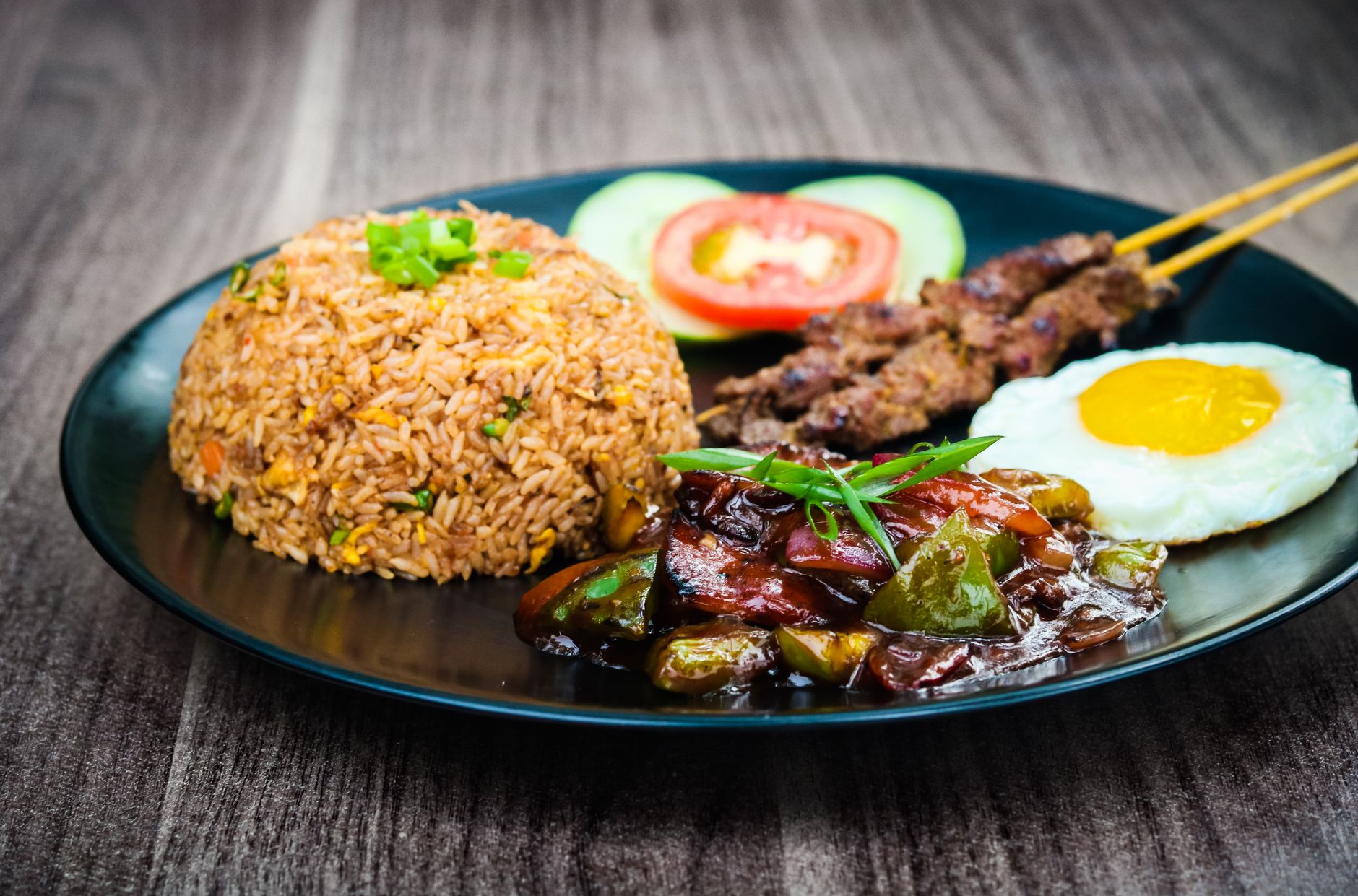
Nasi Goreng: Origins, Regional Variations, and Where to Eat It
Nasi goreng is Indonesia’s most famous dish abroad—and the one most often botched by outsiders. Called simply “fried rice” in Malay, it’s not just tossing leftovers in a pan. This dish has rules. Sweet-salty kecap manis forms the base, with sambal bringing heat, shrimp paste adding funk, and charred shallots and garlic laying the foundation. The extras—meat, veggies, toppings—are flexible. The rice? Always day-old. It’s the vehicle, not the main event.
Origins and History
Nasi goreng showed up during Dutch colonial times (1600s–1940s), though food historians still argue about exactly when. The leading theory credits Chinese traders and workers who started arriving in the 1400s. They introduced woks and the concept of frying old rice—something new for Indonesians, who always cooked rice fresh. Locals adapted the technique, swapping in kecap manis for Chinese soy sauce and loading it with their own spices and chilies.
By the 1900s, nasi goreng had gone national. After Indonesia gained independence, the dish became shorthand for everyday cooking, from home kitchens to street stalls. You’ll find it everywhere now, from Sumatra’s markets to Papua’s roadside stands, each area putting its own spin on things. These days, it battles rendang for the title of Indonesia’s signature dish.
Regional Variations
Jakarta Nasi Goreng doesn’t hold back. Street cooks in spots like Blok M and Tanah Abang pile on shrimp, chicken, sometimes even beef or sausage. Sambal gets heavy use. The rice gets brutal heat treatment until grains separate and edges crisp. Unlike other versions, Jakarta-style usually comes pre-mixed—no stirring required.
Balinese Nasi Goreng stands out with extra shrimp paste (trassi), plus crunchy long beans and occasional snake fruit. Most places top it with a fried egg and serve sambal matah (raw chili-shallot paste) on the side so you can adjust the burn. Tourist spots in Seminyak and Ubud often sweeten things up for visitors.
Yogyakarta Nasi Goreng takes the minimalist approach. Central Java’s version focuses on technique—rice gets fried longer for deeper color and drier texture. Protein choices stay simple: shrimp or chicken, never both. The signature move? Krupuk (prawn crackers) stirred in last second for crunch. Some Malioboro-area vendors have kept their recipes unchanged for 50+ years.
What Makes a Great Nasi Goreng
Start with rice that’s sat at least 12 hours—overnight is better. Fresh rice turns mushy. Use a screaming-hot wok or skillet. The flavor base? Shallots, garlic, and chilies (bird’s eye or rawit) ground to paste, cooked until the raw edge disappears. Add shrimp paste (about 1 tsp per rice cup), cook another minute. This builds the umami foundation you can’t shortcut with store-bought sambal.
Now add rice. Break up clumps and keep it moving for 5-8 minutes. Kecap manis (2 tbsp per rice cup) goes in twice—half early, half late—letting it coat grains without making them soggy. Any meat or tofu should be cooked separately first.
Here’s the kicker: cheap rice works best. The slightly broken, high-starch grains fry better than fancy long-grain varieties. When street vendors use budget rice, it’s not about saving money—it’s about results.
Finish with scallions (tossed in at the last moment), cilantro, and lime. The final product should balance salty, sweet, spicy, and funky—no single note overpowering the others.
Where to Try Nasi Goreng: City by City
Jakarta: Skip restaurants—the good stuff’s at warungs. Tanah Abang’s textile district has killer pre-dawn stalls; lines form before 6 a.m. Check spots near the train station. Blok M’s Nasi Goreng Kambing (goat fried rice) draws crowds at lunch and dinner. Don’t expect English menus—this is blue-collar food.
Bali: Hit Ubud’s central market food court early—the best stalls sell out by 8:30 a.m. Seminyak and Canggu places like Karsa Kafe do fancy versions, but you’ll pay 3-4x street prices. For better value, try Denpasar’s night markets after sunset.
Yogyakarta: Malioboro Street’s stalls are reliable, but the real deal is Nasi Goreng Kampung—a no-frills joint off Jalan Sosrowijayan running since the ’80s. Their version is all about precision. The Alun-Alun night market offers multiple styles side-by-side from 7 p.m. onward.
Price Guide
Jakarta: Street warungs charge 25,000–40,000 IDR ($1.50–$2.50). Casual restaurants: 50,000–75,000 IDR ($3–$4.50).
Bali: Tourist restaurants ask 60,000–120,000 IDR ($3.75–$7.50). Local spots: 30,000–50,000 IDR ($1.90–$3).
Yogyakarta: Cheapest in Indonesia. Market stalls: 20,000–30,000 IDR ($1.25–$1.90). Established warungs: 35,000–50,000 IDR ($2.20–$3).
Nasi goreng isn’t about complexity. It’s about turning yesterday’s rice into something greater through smart technique and bold flavors. That’s why it became a national symbol.