Tokyo
Tokyo Bangkok
 Seoul
Seoul Singapore
Com Tam: Vietnam’s Everyday Rice Dish Worth Your Attention

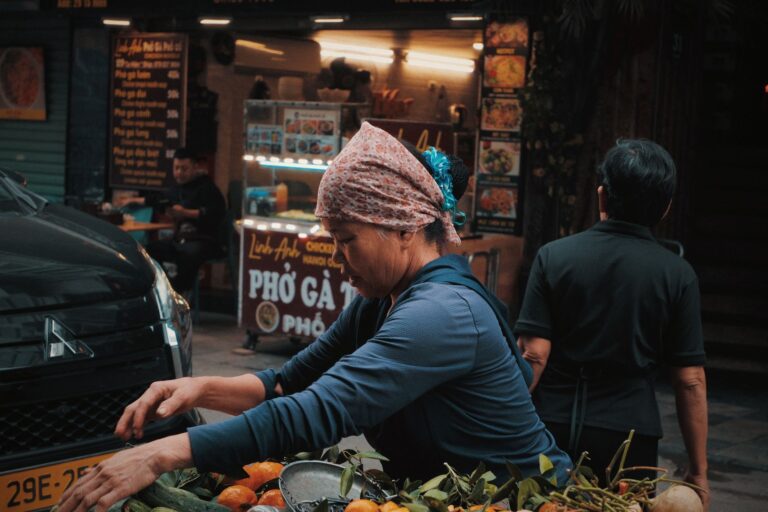
At lunchtime in Ho Chi Minh City, com tam stalls fill up fast. Construction crews, office workers, students—they all queue with their bowls. No Instagram posts here. Just quick, satisfying meals eaten the same way for generations. Tourists rarely notice com tam. Locals rely on it. That’s exactly why it deserves your attention.
“Broken rice” tells the story right in its name. When rice gets milled, some grains crack. For years, these fragments fed livestock or got tossed out. Then someone noticed: broken grains cook quicker, stay softer, soak up flavors better. What started as thrift became a staple—now served at millions of meals across Vietnam every day.
Why Broken Rice Works
Texture makes com tam special. The grains are half-sized, cooking in 12-15 minutes instead of 20. They don’t pack tight, leaving space for sauces to seep in. Take a bite—there’s a slight chew, then it gives way. Nothing like regular rice.
This texture isn’t accidental. Com tam’s meant for toppings. The jagged edges catch every drop: pork fat, fried egg crumbs, pooling fish sauce. Watch vendors at Nguyen Hue or back-alley spots in District 5—they pour sauce straight onto the rice, and it disappears fast. The dish thrives on being broken.
The Toppings Make the Meal
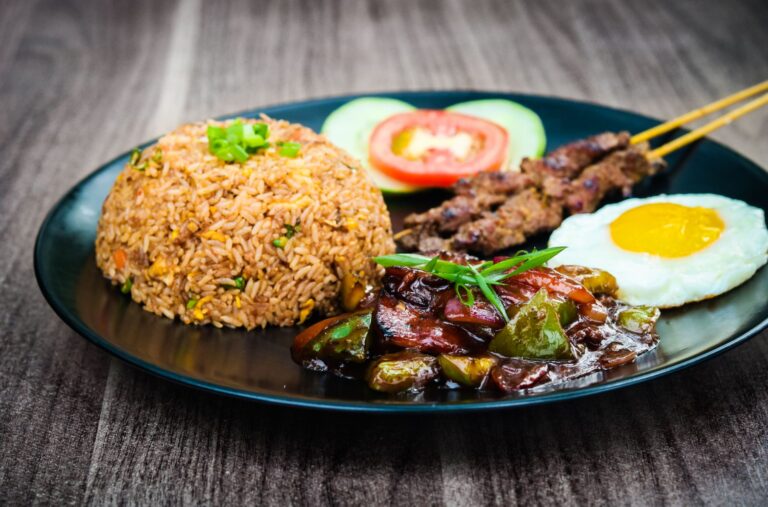
Com tam’s flexible. Pick your protein: charred pork, grilled chicken, caramelized fish, or shrimp. Most stalls grill three or four options over morning coals, glazed with garlicky fish sauce. The edges crisp up sticky-sweet.
But the sides steal the show. A runny fried egg. Sharp pickled veggies. A smear of chili-spiked mayo (trust us). In Binh Thanh, they’ll toss in tomato-pork broth—sip it between bites to reset your palate.
Why Com Tam Stays Local
Pho went global. Banh mi got trendy. Com tam? Still strictly neighborhood fare. The rice turns mushy if it waits. The whole meal costs $1-2—no room for fancy markups. You won’t find it in tourist zones.
That’s the appeal. Com tam shows how Vietnam really eats: fast, cheap, no fuss. Skip the restaurants. Find a stall with a crowd of regulars. Grab whatever’s on the grill, add the egg, squeeze onto a plastic stool. That’s lunch done right.