Tokyo
Tokyo Bangkok
 Seoul
Seoul Singapore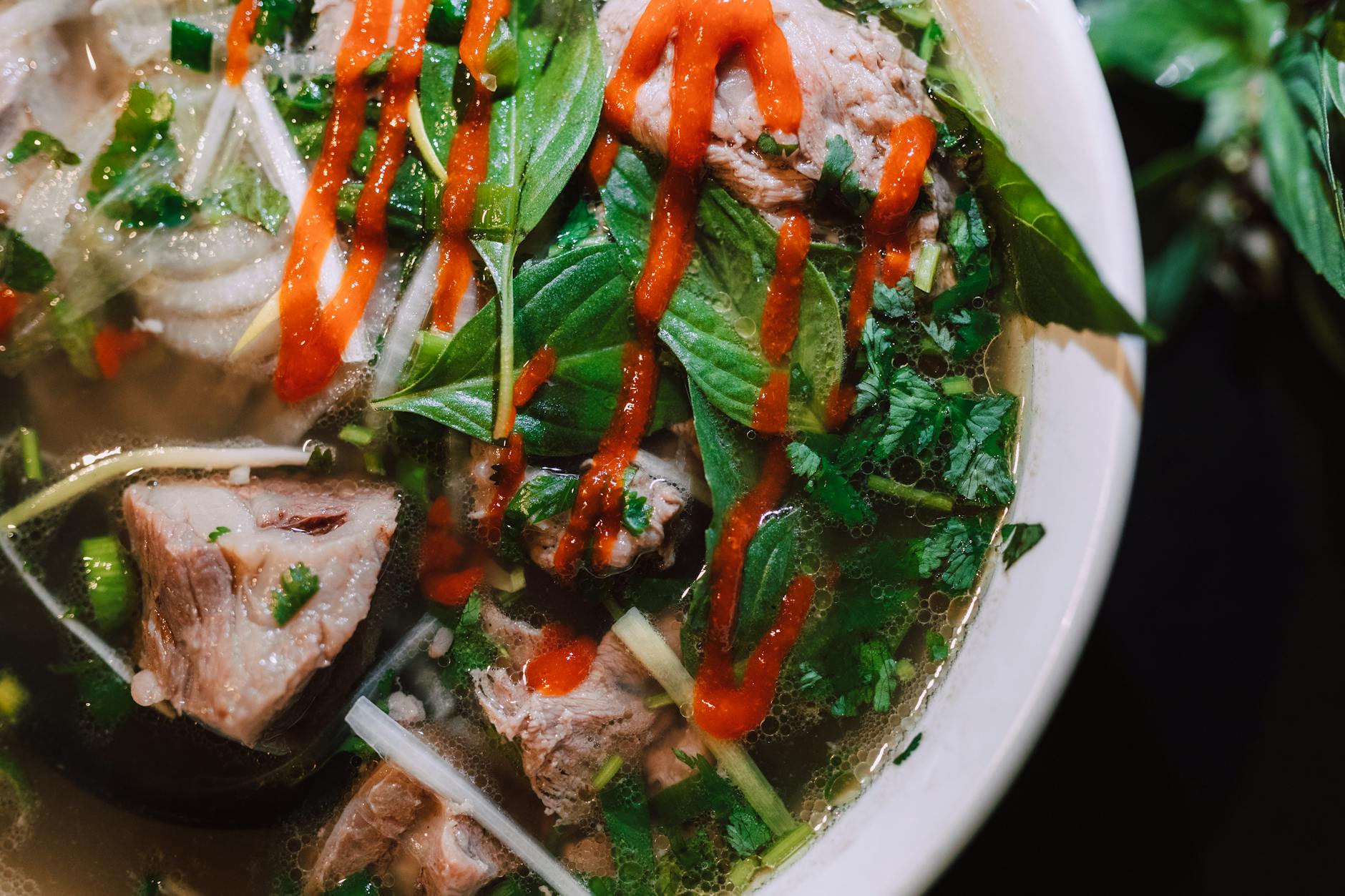
Pho: Origins, Variations, and Where to Eat It

Pho is Vietnam’s iconic noodle soup—steaming bowls of rice noodles in fragrant broth, usually topped with beef or chicken. Fresh herbs and condiments come on the side for you to customize. Despite what many think, it’s not Vietnam’s oldest noodle soup. That honor goes to earlier regional varieties. What sets pho apart is its broth. It simmers for half a day or more, with beef or chicken bones getting cozy with charred onions, ginger, and spices like star anise and cinnamon. The result? A clear broth packed with deep, savory flavor. In Vietnam, pho is everywhere: quick street eats, family dinners, breakfast fuel, late-night comfort. It’s become one of the country’s most famous dishes worldwide.
Origins and History
Pho’s story is younger than you might guess. It first appeared in northern Vietnam during the early 1900s, likely between 1910-1930 under French colonial rule. Two big influences shaped it: the French introducing beef (new for a pork-and-chicken culture) and Vietnamese cooks adapting Chinese noodle soup methods. Some think the name “pho” comes from the French “pot-au-feu,” but scholars still argue about that.
At first, pho was working-class street food in Hanoi—nothing fancy. By the 1950s, it became part of the city’s identity and started moving south. The Vietnam War sped things up. Northerners heading south brought their pho recipes with them. Southern pho developed its own style—sweeter broth, different noodles, more toppings—creating a north-south split that still exists. After 1975, pho turned into a taste of home for Vietnamese refugees, helping spread it across the globe.
Regional Variations
Hanoi Pho (Pho Hà Nội) keeps it classic. The broth is clear and subtle, made with just beef bones and brisket. No sweetness. Noodles stay thin. Garnishes? Just green onions and fried shallots—anything more would be overdoing it. This version cares about broth purity above all. Street stalls charge 40,000-60,000 VND.
Ho Chi Minh City Pho (Pho Sài Gòn) goes bigger. The broth’s sweeter, often with rock sugar and fish sauce. Noodles get thicker and softer. More meat options too—beef, chicken, or both. The real difference? The condiment spread: basil, coriander, lime, chilies, bean sprouts. Diners pile them in. It’s a southern thing—bold flavors and mix-and-match eating. Same price range: 50,000-70,000 VND.
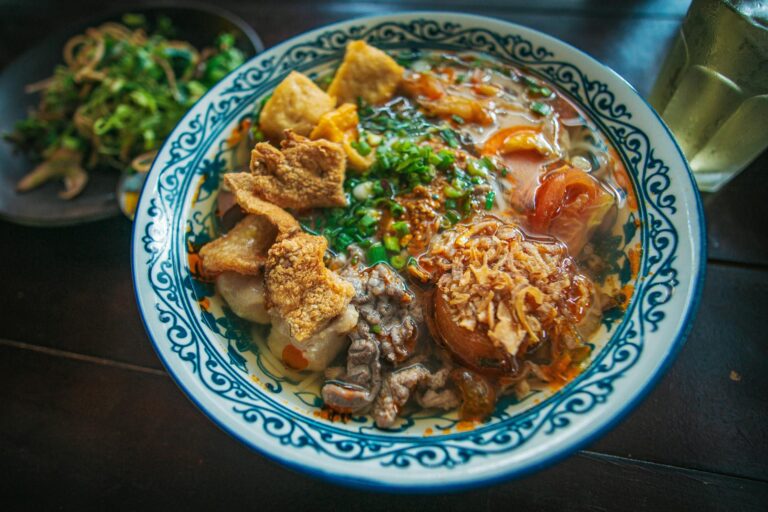
Huế Pho does its own thing. Called “Pho Huế,” it’s the darkest broth of the three, loaded with pork and seafood alongside beef. Spicier too. Noodles are almost udon-thick. Hue’s royal food history means this version’s more elaborate. Expect to pay 60,000-80,000 VND.
What Makes a Great Pho
The broth makes or breaks it. Real-deal pho needs beef knuckle and marrow bones simmered with brisket for at least 12 hours—24 is better. That long cook pulls out the collagen for silky texture without cloudiness. First, bones get parboiled to clean them. Then they roast with onions and ginger until charred. This step can’t be skipped or rushed.
Spices need balance. Star anise brings licorice notes but can bully other flavors. Cinnamon adds warmth without sweetness. Coriander seeds give a citrusy touch. Some recipes use cloves or black cardamom. Everything should work together, not fight. Northern pho goes light on fish sauce; southern versions pour more.
Noodles must be fresh or day-old—never frozen. They should have a little chew, not turn to mush. Meat slices should be paper-thin (that’s why it’s partly frozen first). Broth must arrive boiling hot. Lukewarm means someone cut corners.
Here’s the thing: plain pho tastes kinda bland. That’s by design. The herbs, lime, and sauces aren’t just extras—they’re essential. You’re supposed to tweak the flavor at the table. This interactive bit makes pho special and shows how Vietnamese eating values personal taste.
Where to Try Pho: City by City Guide
Hanoi: The Old Quarter is pho central. Pho Thin on Hang Manh Street has been slinging bowls since 1910—it’s the gold standard, but lines get long. For less touristy spots, check chicken pho vendors on Hang Gai Street or beef pho stalls near Hoan Kiem Lake’s north side. The best places often don’t have signs—look for steaming pots out front before 10 AM.
Ho Chi Minh City: District 1 has pho spots catering to tourists, but the good stuff hides in Districts 3 and 10. Pho 2000 got famous from guidebooks, but it’s just okay. For better bowls, hit residential areas like Binh Thanh District where family-run stalls feed locals. Early birds (6-8 AM) get the freshest broth.
Huế: Pho Huế spots cluster near the Old Citadel and along Tran Hung Dao Street. The city’s smaller size means less tourist hype. If you see a breakfast line, join it—that’s where the magic happens. Warning: Hue’s pho brings serious spice. They mean it that way.
Price Guide
Street pho (most authentic): 40,000-80,000 VND ($1.60-$3.20). Restaurant pho: 80,000-150,000 VND ($3.20-$6). Fancy places in tourist zones: 150,000-300,000 VND ($6-$12) or more. Outside Vietnam, prices jump—anywhere from $8 to $20 depending on location and ingredients.
Pho isn’t just food. It’s a taste of 20th century Vietnam—colonial history, regional pride, and cultural adaptation all in one bowl. That’s why it still matters today.