Tokyo
Tokyo Bangkok
 Seoul
Seoul Singapore
Bakso: Indonesia’s Meatball Soup That Tells a Story
Bakso didn’t start in Indonesia—Chinese traders brought it over in the 1400s. But Indonesians made it their own so completely that today, everyone assumes it’s always been local. It’s everywhere now: from plastic stools in Jakarta’s traffic jams to fancy Bali restaurants. This meatball soup became Indonesia’s ultimate comfort food, far removed from its origins.
How Spices Redefined Bakso
What makes Indonesian bakso different? The spices. Chinese versions keep it simple with soy sauce and ginger. Here, they pack the meat with garlic, shallots, white pepper, and nutmeg. But the broth steals the show—slow-cooked with star anise, cinnamon, and cloves for that sweet, warm depth you won’t find elsewhere.
It’s all about balance. Too much white pepper overpowers everything; too little leaves it bland. Some versions toss in coriander and turmeric for earthy notes without heat. Most use beef, though chicken and fish work too. They pound the meatballs until silky smooth, sometimes adding tapioca starch to keep them tender during cooking.
One Dish, Many Personalities
Bakso Surabaya means business. This East Java version comes with intense broth packed with offal like tripe and tendon—not for the faint-hearted. Over in Bandung, they lean into turmeric and galangal for earthier flavors. Jakarta keeps it simple: clear broth, soft meatballs, maybe some greens.
Bakso Malang throws in a curveball—beef liver paste thickens the broth, adding rich, iron-like depth. Lombok turns up the heat with extra chilies. Some places serve it with peanut sauce, almost like satay soup. Proof that bakso changes wherever you go, shaped by local tastes and traditions.
Why Street Food Wins
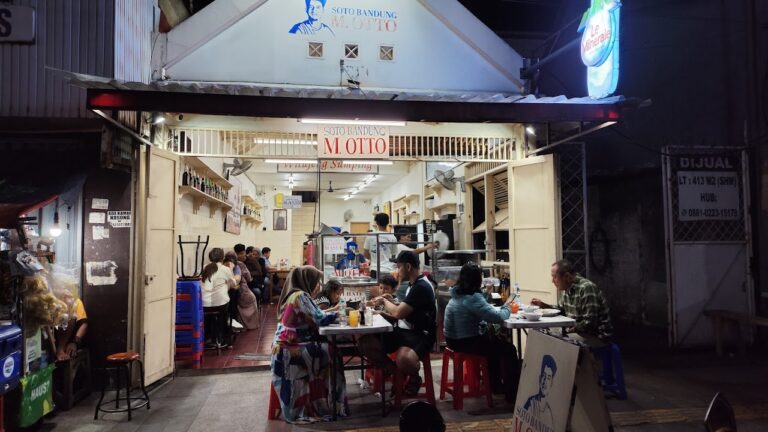
Bakso’s beauty is in its simplicity. Vendors need just a cart, a pot, and some bowls. That’s why it exploded across Indonesia last century—easier to find than instant noodles these days. In Jakarta, regulars have been ordering the same bowl from the same stall for 30 years.
Home cooks can make it too. The meatballs take minutes; the broth needs hours. Pound garlic, shallots, and ginger into paste—don’t just chop them. That releases oils that flavor the whole pot. Top with fresh greens, bean sprouts, and crispy shallots for crunch.
Looking for bakso abroad? Skip generic Asian spots—find proper Indonesian restaurants. The best places simmer fresh broth daily. Order Bakso Surabaya if you want something substantial, or try the house special for their unique spin. However you take it, this is Indonesia’s dish now, no matter where it began.