Tokyo
Tokyo Bangkok
 Seoul
Seoul Singapore
Bakso: Indonesia’s Spiced Meatball Soup That Beats Everything Else
Bakso makes fancy restaurant ratings irrelevant. A proper bowl—springy meatballs in broth that actually tastes like something—beats Michelin-starred beef consommé every time. Two dollars. Served from a cart. Indonesia’s real comfort food.
Bakso Isn’t Soup. It’s a Spice Test.
Here’s what you’re actually eating: ground beef (sometimes pork, chicken, or fish) mixed with tapioca starch, garlic, shallots, and spices, rolled into marble-sized balls and poached in beef broth. The broth makes or breaks it. Bad bakso tastes like salty water with rubbery meat. Good stuff? Like someone cared about depth.
Flavors shift by region. East Java—especially Surabaya—goes bold: extra black pepper, heavy garlic, maybe a hint of nutmeg. In your face in the best way. Bandung bakso (West Java) keeps it lighter, letting the meatball texture shine. Jakarta plays it safe. Often too safe. Skip unless it’s your only option.
Ponorogo in East Java does it right. More turmeric, extra ginger, sometimes candlenuts thickening the broth. This is where bakso clicks. Most places outside Indonesia miss these details. They shouldn’t even use the name.
Where to Actually Eat Bakso That Isn’t Terrible
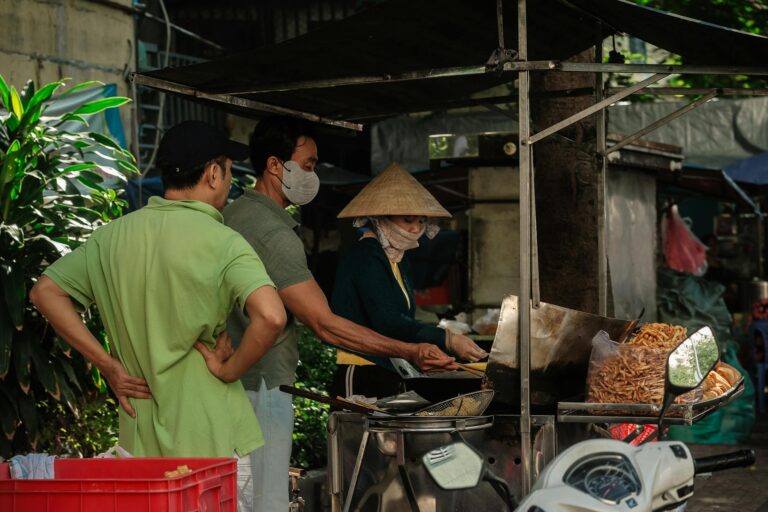
In Indonesia? Hit a street cart at dawn. Bakso Malang Karapitan in Jakarta’s Karapitan area has operated since 1952—not for nostalgia, but because their slightly sweet, deeply savory broth holds up. Get the regular with extra broth, fried wontons, and sambal matah if available.
Surabaya’s Bakso Soto Ayam Kedai Murni feels homemade. Broth with visible fat, uneven meatballs. That’s the point.
Abroad? Tough. Most places treat it like menu filler. London’s Cafe Kino in Bethnal Green occasionally nails it—call first. Sydney’s Warung Lara in Glebe takes it seriously. US spots? Rare unless you’re near an Indonesian community. DIY might be your best bet.
The Thing Nobody Tells You: Bakso Is About Poverty Done Right
Bakso was born from necessity—stretching meat to feed more people. One pound becomes six servings. What’s amazing? It actually tastes good.
No ancient tradition here. Bakso’s maybe a century old, borrowing from Chinese soups and adapted by cooks who needed cheap meals. It worked because they knew what they were doing. Still does. The best vendors care about feeding people well for pennies.
When bakso gets fancy—microgreens, “heritage” broth—it loses the plot. Find the version that costs nothing and tastes like hours of simmering. That’s the real deal.