Tokyo
Tokyo Bangkok
 Seoul
Seoul Singapore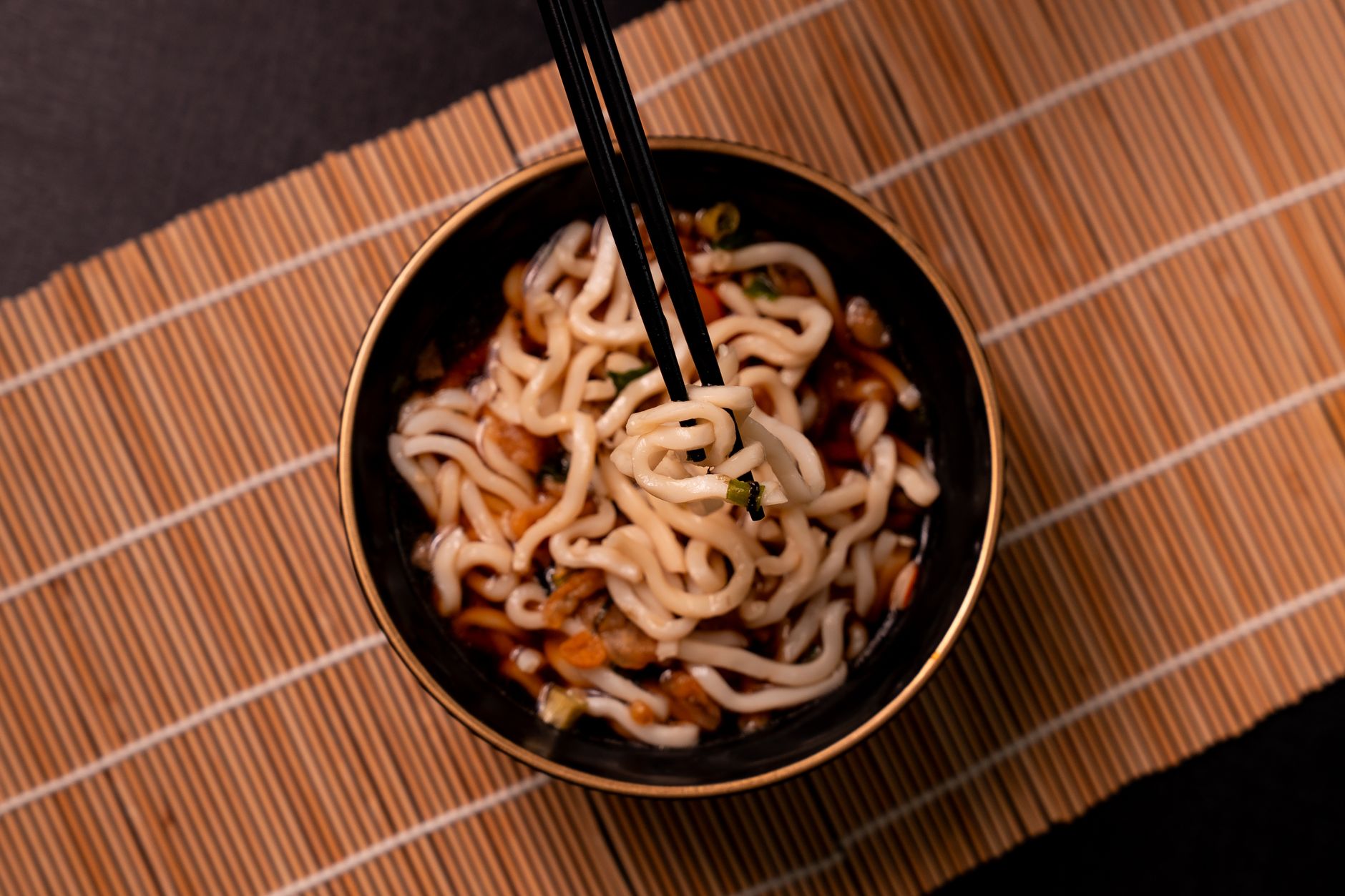
Mie Goreng: Indonesia’s Spicy Noodle Comfort Food
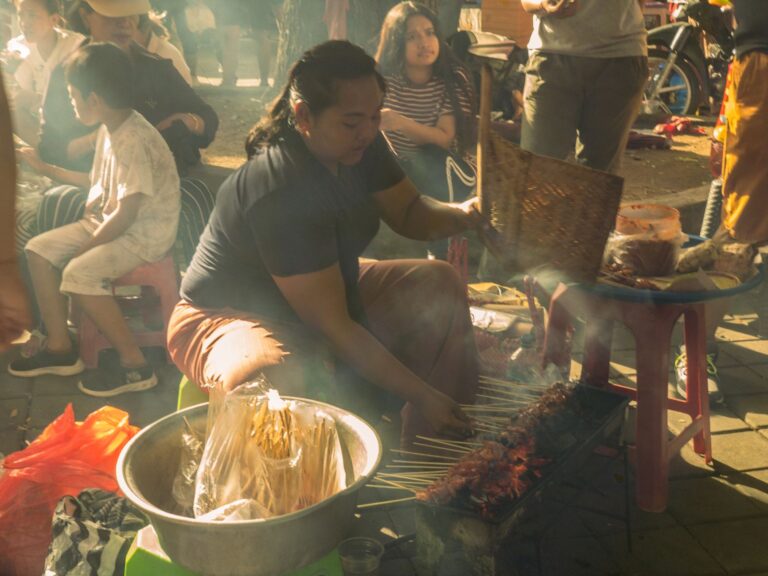
The scent hits first—garlic and chili oil rising from a dozen woks at Jakarta’s Blok M market before sunrise. Watch Ibu Siti work her station like someone who’s done this forever, her quick wrist flicks sending noodles dancing across the blackened metal. This isn’t fancy food. It’s mie goreng. Fuel for a city that never stops.
Why Mie Goreng Changes With Every Border
Mie goreng isn’t a single dish—it’s a blueprint. The basics stay the same: yellow noodles, high heat, fast tossing. But cross into a new region, and everything shifts. Yogyakarta’s version leans sweet, heavy on kecap manis with just a hint of shrimp paste. Up in Medan, they go bold—fresh bird’s eye chilies and a raw egg cracked right on top. Bandung? More garlic, always more garlic, plus crispy shallots mixed in. These aren’t small tweaks. They’re full-on regional signatures.
Spice That Doesn’t Fight You
What makes mie goreng work is how it handles heat. Unlike some cuisines that go for pure fire, Indonesian street cooks build layers. Ibu Siti starts with dried chilies soaked and ground with garlic, shallots, turmeric—fried just enough to take the edge off. Then comes the fresh chili garnish for a second punch. Want it milder? Point to fewer chilies. Need more fire? They’ll pile it on. No judgment, no rules.
How Street Stalls Master the Noodle Math
Watch any mie goreng vendor long enough, and you’ll see the system. Five components prepped before dawn: noodles, paste, aromatics, protein, toppings. The magic happens in the sequence—oil, paste, noodles, protein, sauce, toss, plate. Thirty seconds flat. In Surabaya, one cook juggled twelve orders across three woks without breaking rhythm. That’s not showmanship. It’s why the noodles stay perfectly chewy every single time.
When in Southeast Asia, skip the restaurants. Find a market stall at dawn when the woks are hot and the cooks are fresh. Get your spice level right, squeeze some lime, eat it standing up. That’s mie goreng at its best.