Tokyo
Tokyo Bangkok
 Seoul
Seoul Singapore
10 Healthiest Asian Street Foods You Can Actually Eat
Forget overpriced wellness cafes serving $18 grain bowls. The real healthy stuff? It’s on the streets of Hanoi, Bangkok, and Shanghai—dishes perfected over decades, costing about two bucks. Asian street food gets wrongly labeled as “indulgent,” but here’s the thing: most of it leans heavy on veggies, lean protein, and simple ingredients. You just gotta know what to pick.
Goi Cuon (Fresh Spring Rolls): No-Fuss Freshness
Fresh spring rolls prove you don’t need deep-frying to make something delicious. Rice paper wrapped around herbs, shrimp or tofu, noodles, and lettuce—that’s all. Zero oil. Roughly 100 calories per roll, packed with fiber and protein. Spotting a good one is easy: herbs should be bright (think mint, cilantro, Thai basil), shrimp chilled and firm, rice paper pliable enough to bend without cracking. If it’s rubbery? Skip it—that roll’s been sitting too long.
In Sydney, Saigon Lane in Marrickville nails it. Londoners should try Pho Hoa on Kingsland Road. Watch the dipping sauce—that’s where extra calories sneak in.
Congee: Breakfast That Sticks With You
Congee is just rice porridge, simple as that. Costs about $3 in most Asian neighborhoods. Surprisingly filling: rice broken down into creamy goodness, topped with protein (pork, chicken, or century egg), finished with scallions and crispy shallots. The broth makes or breaks it—should taste rich, meaning it’s been simmering for hours. Watery congee isn’t worth your time.
San Francisco’s Chinatown has Jook on Jackson—their bone broth version hits right. Melbourne’s Shanghai Street in Box Hill does a killer pork and century egg combo. One bowl keeps you full till lunch. Sure, it’s carbs—but paired with protein and fat, it won’t spike your blood sugar like toast.
Edamame: The Snack That Gets It Right
Edamame doesn’t try to be fancy. Boiled soybeans, salted, served in the pod. That’s it. One cup packs 18g protein and 8g fiber. Eating them slows you down—you gotta work to get those beans out. Available cheap at any Asian street food spot, and nearly impossible to screw up.
Seven More Street Food Wins
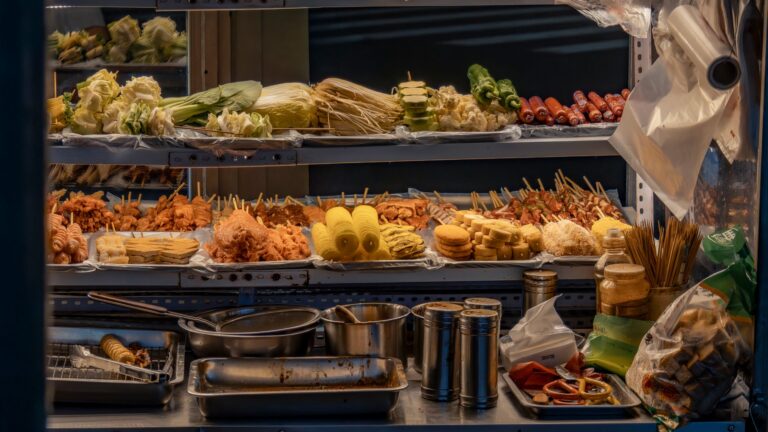
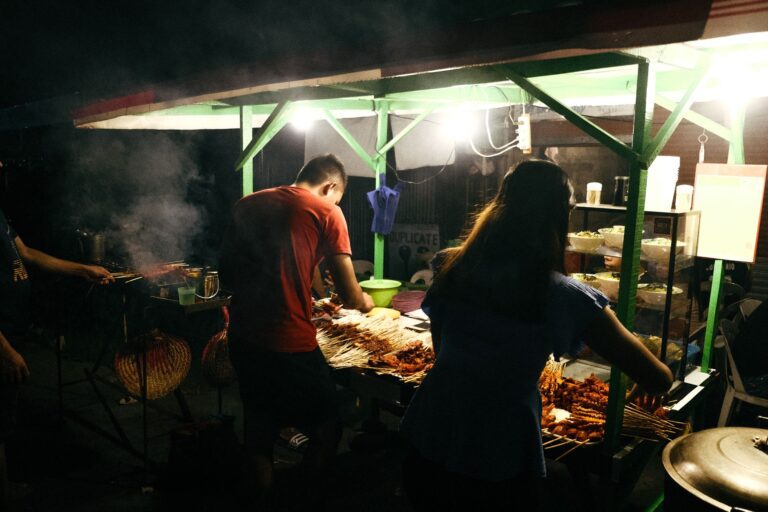
Char siu bao (steamed pork buns) deliver protein if you skip the sugary ones. Fish cake skewers? Mostly protein, barely any oil. Street stall miso soup stays under 100 calories. Satay—meat on sticks—means lean protein with spice. A good banh mi balances pâté with piles of veggies. Cold soba noodles equal buckwheat fiber. Takoyaki (octopus balls) pack protein if you go light on mayo. Okra fries? Still veggies, even if fried.
The Real Deal About Street Food
Street vendors aren’t counting your macros. They’re focused on flavor and value. The health factor comes from necessity—poor neighborhoods can’t waste ingredients on excess oil or sugar. Veggies are cheap. Broth is cheap. Protein scraps become satay. This is peasant food at its best, born from making every scrap count.
Another truth: portions make sense. A bowl of congee or plate of spring rolls is what an actual meal looks like—not some oversized bucket of food.
Try this: Head to your nearest Asian neighborhood. Find a busy market stall—busy means fresh means good. Order spring rolls. Ask for extra herbs. Go easy on the sauce. Spend three dollars. Realize you just ate better than most restaurants charging triple. Make it a habit.