Tokyo
Tokyo Bangkok
 Seoul
Seoul Singapore
Taipei Night Markets: Where to Eat After Dark
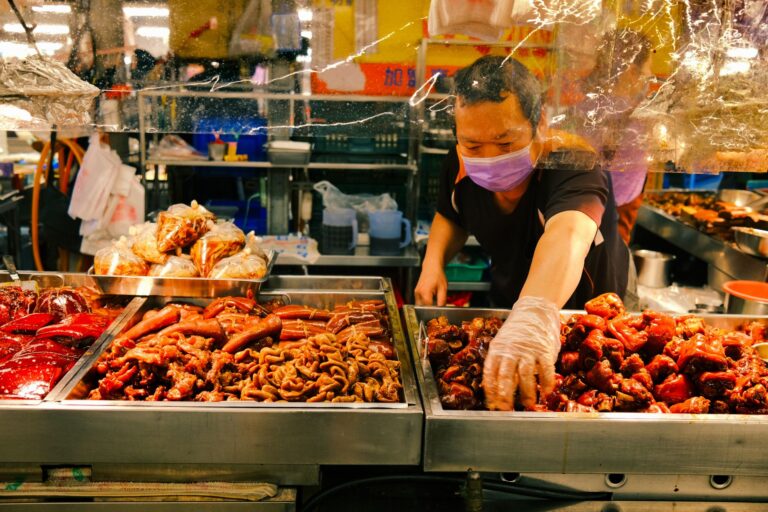
Taipei’s night markets aren’t just photo ops—they’re where locals go to eat seriously. Tourists swarm Shilin, snap a few pics, and walk away unimpressed. The market’s fine. The problem? They’re eating wrong. To do it right, you need strategy, patience, and zero fear of late-night lines with off-duty workers and hungry students.
Shilin’s Underrated Stands (And How Most People Mess Up)
Shilin Night Market is crowded. Some stalls are tourist traps. But write it off completely and you’ll miss some of Taipei’s best street food. Walk past the bubble tea crowds to the food alley’s back corner. Get the stinky tofu from whichever stall has the longest line—look for the giant vat of fermenting liquid. This isn’t the weak stuff served to tourists. The funk punches hard, the crust shatters perfectly, and the chili-vinegar sauce balances everything.
Near the entrance, hunt down the oyster omelette spot. Forget fancy French techniques—this is a thick, crispy disk of starch, egg, and chopped oysters cooked on a massive griddle. The oysters should still taste sweet, barely warmed through. Most places overcook them. The good ones know better.
Beyond Shilin: Raohe and Ningxia’s Heavy Hitters
Raohe Street Night Market in Songshan feels more local, less polished. Their lu rou fan (braised pork rice) stalls compete on skill, not gimmicks. Pick the one where the pork belly wobbles with collagen, the sauce clings like syrup, and they bother to heat the rice properly. It makes all the difference.
Closer to downtown, Ningxia Night Market shines with dead-simple seafood. Their grilled squid needs nothing but salt and lemon—the meat speaks for itself. Try the clams steamed with XO sauce; the flavor hits like a tidal wave. These vendors have been here decades. They don’t mess around with sourcing.
Timing Is Everything: When To Show Up
Most people come at 7-9 PM. Stalls are still prepping, crowds are light, but quality’s hit-or-miss. Come after 10 PM instead. Vendors have found their groove, early test batches are gone, and the crowd knows what’s good.
Midnight is prime time for jian bing (Chinese crepes). By then, vendors have made hundreds—their movements are automatic, every crepe perfectly crisp. Get it with egg, scallions, and spicy bean paste. Leave the ham.
Bring cash. Skip the cards. Stay past 11. That’s when Taipei’s night markets stop being a spectacle and start feeling like home.