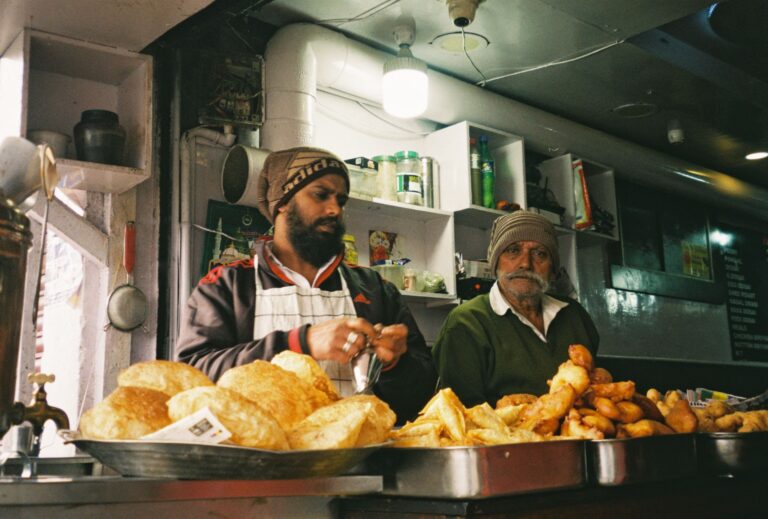
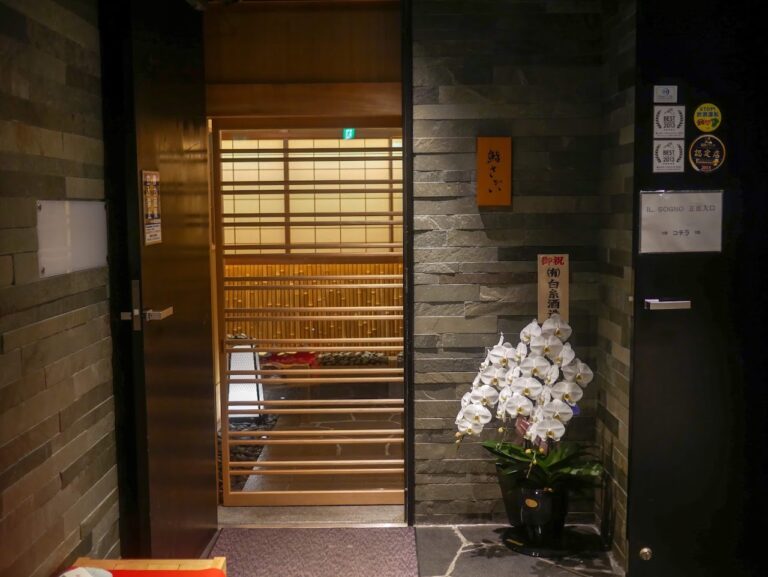
Tokyo
Tokyo Bangkok
 Seoul
Seoul Singapore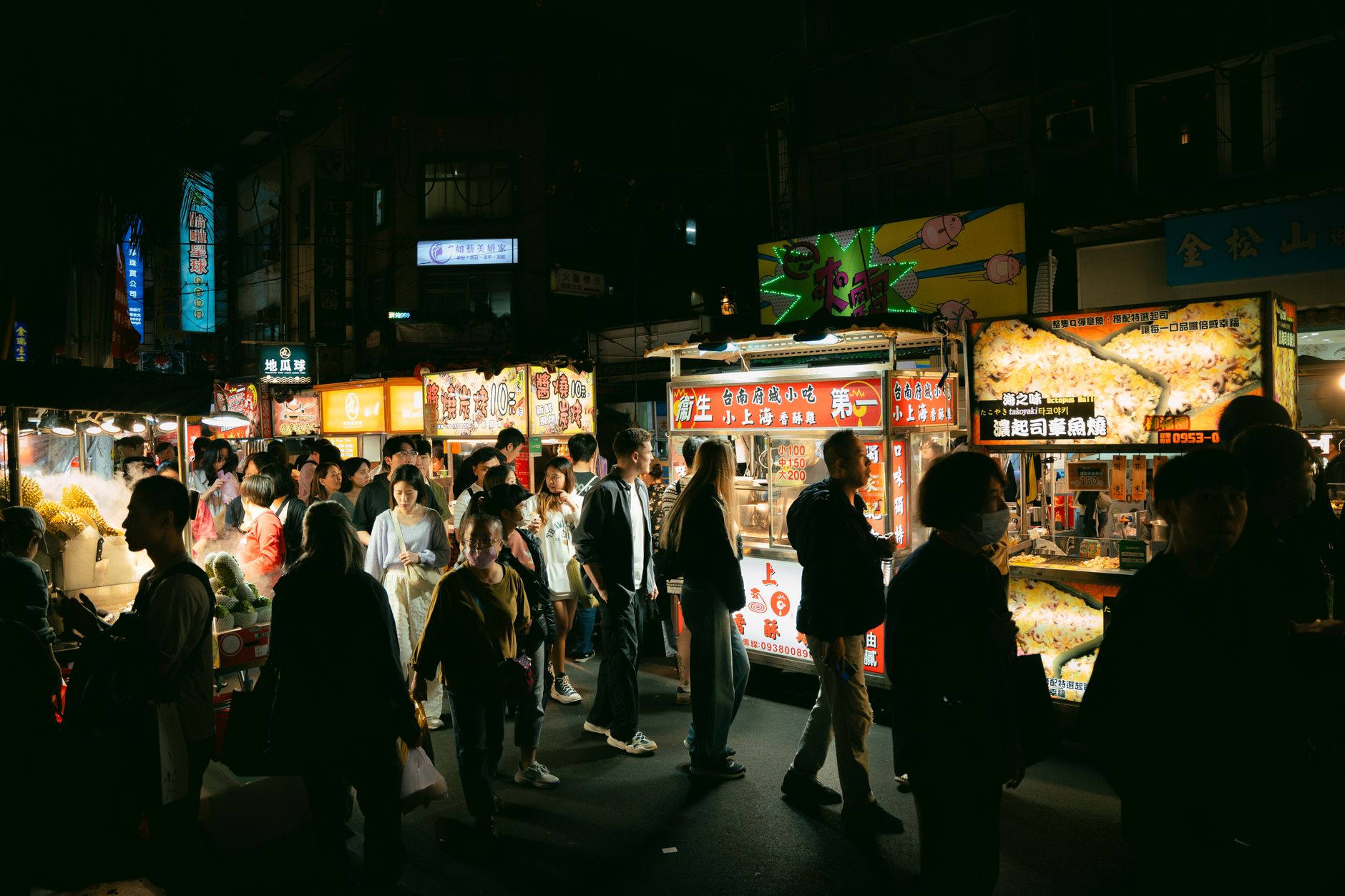
Asian Food Travel Trends 2026: What Travelers Actually Want Now
The biggest shift in Asian food travel for 2026 is clear: travelers are moving from hunting down restaurant reservations to booking experiences that put them in the kitchen, the market, and the rice paddy. It’s no longer about where to eat—it’s about how to learn, make, and understand the food. Dining is still central, but the itinerary now includes a morning spent fermenting kimchi in Seoul or rolling rice paper in Hanoi.
Hands-on over passive dining
Cooking classes and guided market tours now occupy the same mental real estate as restaurant reservations. WokFeed’s Google Maps tracking shows these experiences consistently hold near-perfect ratings across thousands of reviews in Bangkok, Chiang Mai, Ubud, and Seoul. Travelers want to know why palm sugar matters in pad thai or how to judge the ripeness of a mango by touch. The classes that do well aren’t theatrical performances—they’re taught by home cooks or chefs who source ingredients that morning and explain technique without scripts. Bangkok’s morning market tours, where participants haggle for galangal before heading to a cooking station, are booked weeks out. Chiang Mai’s northern Thai programs and Ubud’s traditional Balinese sessions follow the same pattern. Seoul’s kimchi-making workshops pull similar numbers.
Hyper-local and second cities
Bangkok and Tokyo still draw crowds, but the action is spreading. Penang’s hawker lineage, Da Nang’s seafood and bánh xèo stalls, Manila’s revitalized food halls, and regional Japanese cities like Kanazawa and Fukuoka are claiming space on itineraries. These places offer depth without the density of tourists elbowing for the same dozen tables. Penang’s clan jetties and kopitiams operate much as they did decades ago. Da Nang sits between Hue’s imperial cuisine and Hoi An’s trading-port influences. Manila’s younger chefs are reinterpreting provincial Filipino dishes in both casual and serious settings. In Japan, travelers are venturing beyond the Osaka-Kyoto-Tokyo loop to taste regional soba, sake, and tsukemono where they originate.
Fermentation and heritage preservation
Fermented and traditionally preserved foods are no longer niche interests. Seoul’s focus on kimchi, doenjang, gochujang, and the broader *jang* family has moved from home kitchens into the traveler mainstream. Visitors tour jang-making facilities, attend fermentation workshops, and eat at restaurants that center their menus on these aged, funky staples. In Japan, miso diversity—white, red, barley, soybean—gets the same curious attention wine once did. Small-batch producers in rural prefectures open their doors for tastings. Chiang Mai’s *nam prik* pastes, Vietnam’s *mắm* fish sauces, and Indonesia’s *tempeh* and *terasi* are treated as cultural texts, not condiments. The through-line is respect for microbial craft and multi-generational knowledge.
Street food and fine dining in one trip
The old binary—backpacker street crawl or white-tablecloth splurge—is dead. Modern itineraries toggle between both, sometimes on the same day. Singapore’s hawker centers and its tasting-menu restaurants coexist without cognitive dissonance. Bangkok travelers eat boat noodles for breakfast and book a chef’s counter for dinner. Taipei’s night markets and its omakase spots share the same Google Maps lists. The shift reflects a broader understanding that technique, care, and tradition aren’t exclusive to expensive dining. A Michelin-starred hawker stall in Singapore or Bangkok isn’t an oxymoron; it’s proof that complexity and cost aren’t synonyms. Travelers now expect their weeks in Asia to include both extremes and everything in between.
Wellness and plant-forward crossovers
Plant-based eating in Asia isn’t imported from the West—it’s rooted in Buddhist temple cuisine, Taoist dietary principles, and longstanding vegetarian traditions. Travelers seeking vegan or plant-forward options now find them without compromise. Seoul’s temple-stay programs include meditative meals built on seasonal vegetables, fermented pastes, and wild greens. Kyoto’s *shojin ryori* restaurants serve multi-course kaiseki meals without animal products. Taipei’s vegetarian buffets and Penang’s Indian vegetarian spots have fed locals for generations; now they’re on the traveler map. Bangkok and Ubud cater to the wellness-traveler overlap with juice bars and raw-food cafés, but the older, quieter tradition of temple food offers more substance. The wellness angle isn’t about trends—it’s about tapping into what’s already there.
What this means for travelers
- Book cooking classes and guided tours early—the best-reviewed ones fill fast, especially during high season. Check total review counts, not just star ratings.
- Ignore advertorials and influencer listicles. Cross-reference every recommendation with Google Maps data: real ratings, real volume. WokFeed’s editorial process does this by default.
- Mix street and sit-down. A great food trip includes morning markets, lunch at a hawker stall, and at least one meal where the chef explains what you’re eating.
- Go beyond capital cities. Second-tier destinations offer the same quality with fewer crowds and often more generous hospitality. Penang, Da Nang, Fukuoka, and Chiang Mai deserve full itineraries, not day trips.
FAQ
Which city is best for food experiences in 2026?
There’s no single answer. Bangkok and Chiang Mai lead for cooking classes and market tours. Seoul excels in fermentation workshops. Penang and Taipei offer depth in hawker and street food. Ubud suits travelers who want to connect food with farming. Choose based on what you want to learn.
Are cooking classes actually worth it?
Yes, if they’re well-reviewed and led by working cooks. The ones WokFeed tracks tend to have thousands of Google Maps reviews with ratings above 4.7. You leave with recipes, technique, and context you can’t get from a restaurant meal. Skip anything that feels like dinner theater.
How does WokFeed verify its recommendations?
Every pick is cross-checked against Google Maps: real user ratings and verified review counts across multiple cities. No pay-to-play, no sponsored posts. If a place shows up in WokFeed’s guides, it’s because the data supports it.
All WokFeed picks are verified via Google Maps—real ratings, real review counts.