Tokyo
Tokyo Bangkok
 Seoul
Seoul Singapore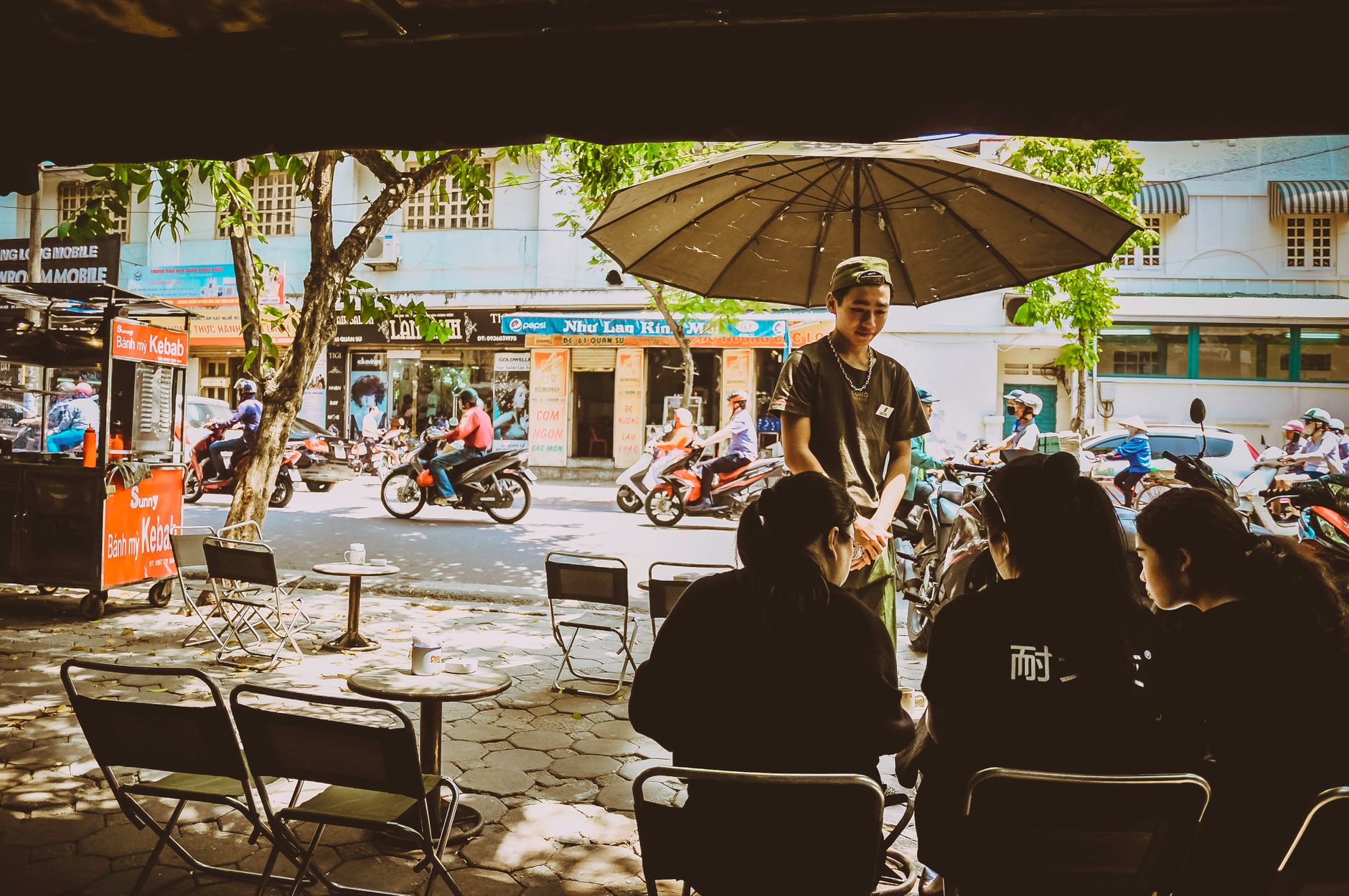
Hanoi Food Guide: Old Quarter Breakfasts & Bun Cha Alleys

Hanoi’s food scene doesn’t need hype—it’s been feeding people for centuries, long before food blogs existed. What makes it special isn’t nostalgia, but the sheer determination of its cooks to keep traditions alive, even as the city races forward. Nowhere is this clearer than breakfast, where every bite matters, even when the bill barely tops a dollar.
The Old Quarter’s 5 AM Breakfast Economy
No lazy mornings here. In Hanoi’s Old Quarter, breakfast is a fast, no-nonsense affair. Bánh mì carts on Hàng Gà appear before sunrise, stacked with baguettes still warm from the oven. They’re split, slathered with pâté and butter, then packed with Vietnamese cold cuts—the pork liver sausage (giò sống) defies logic but tastes perfect. The real win? Adding egg. The yolk spills over, mixing with pâté into something rich and messy.
A few streets over on Hàng Gà, phở gà (chicken phở) vendors start serving at 6 AM. The broth simmers for half a day, while the chicken stays tender from separate poaching. Try it with rare beef—the combo of silky chicken and barely-cooked beef is magic. Down Ngõ Gạch, cháo (rice porridge) stalls dish out bowls in seconds, topped with century egg, pork, and fried shallots. This isn’t food for photos. It’s fuel, eaten standing up as the city stirs to life.
Bun Cha: Why One Alley Changed Everything
Bun cha exists across Vietnam, but Hanoi’s version is in a league of its own. The alley on Hàng Manh, near Chợ Mơ, proves it. Here, vendors grill pork patties (nem nướng) and belly over charcoal until the edges caramelize but the inside stays juicy. That char isn’t for show—it’s where the flavor lives.
Your order comes with grilled meat, fresh herbs (mint, cilantro, perilla), crispy noodles, and a bowl of nước chấm—fish sauce spiked with lime, garlic, and chili. The trick? Dip the meat, wrap it in herbs, add noodles, and eat it all together. At Bun Cha Huong Lien on Hàng Manh, the owner’s 30 years of practice shows in every bite. Come by 11:45 AM if you want a seat. By noon, the line’s out the door.
Coffee Shops as Philosophical Statements
Vietnamese coffee shops aren’t about trendy brewing methods. They’re about slowing down. Egg coffee—cà phê trứng—at Giang Café on Hàng Gai is the classic. A yolk gets whipped with condensed milk into a mousse, then topped with dark coffee. Eat it with a spoon, letting the mousse melt into the coffee. It’s dessert and caffeine in one.
But the real vibe is at spots like Cà Phê Phố on Hàng Bạc, where locals linger for hours over one iced coffee. The coffee—usually robusta, dark-roasted—comes in a metal filter perched on your glass. You wait 10 minutes for it to drip, then stir in condensed milk. This isn’t about speed. It’s a deliberate pause in a city that never stops.
Hanoi doesn’t cater to tourists. Show up early, eat at a plastic stool, and don’t expect applause. The cooks are too focused on getting it right.