Tokyo
Tokyo Bangkok
 Seoul
Seoul Singapore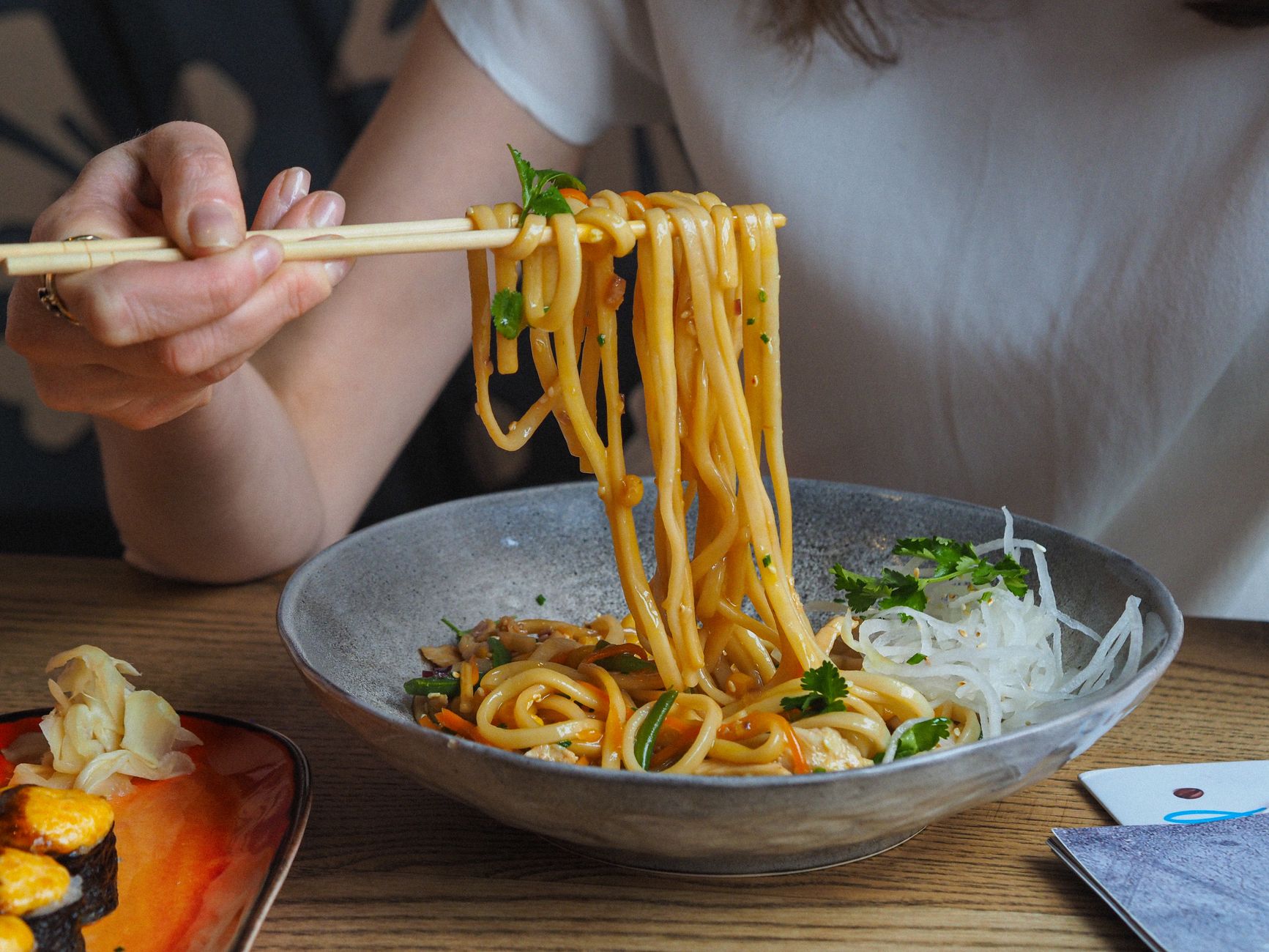
Mi Quang: Vietnam’s Everyday Noodle Dish Worth Seeking Out

In Quang Nam province, mi quang isn’t fancy—it’s the noodle soup you slurp on a workday lunch break. While pho and banh mi get all the press, this turmeric-stained bowl fuels millions of Vietnamese without hype. Locals don’t overthink it. That’s how you know it’s real.
Why Mi Quang Stayed Local While Pho Went Global
Born in central Vietnam’s Quang Nam and Quang Ngai provinces, mi quang never had to leave home. Pho adapted; this dish refused to. Its magic depends on hyper-local stuff: fresh turmeric, just-caught shrimp, herbs like perilla that lose their punch when shipped. The noodles? Thicker than pho’s, tricky to get right. No wonder the best versions stay put—crafted by Hoi An market vendors and Danang lunch spots, not tweaked for foreign menus. What gets served in Hanoi or Ho Chi Minh City often misses the mark: weak turmeric, wrong textures.
The Actual Bowl: Ingredients That Matter
Start with wide, tender egg noodles swimming in a golden broth—just enough to wet them, not drown them. Shrimp (sometimes shell-on), shredded pork, maybe crab. The herbs make it: Vietnamese mint, perilla, cilantro, maybe fresh turmeric leaves if you’re lucky. Crunch comes from peanuts and fried shallots; lime and fish sauce let you tweak the salt-sour balance. Some places toss in a quail egg or shrimp cake. But the broth’s the thing—light but not thin, seafood-sweet with that earthy turmeric hum. It takes decades to master. A veteran Hoi An cook’s bowl will school a newbie’s every time.
Where to Actually Find It (And What You’re Looking For)
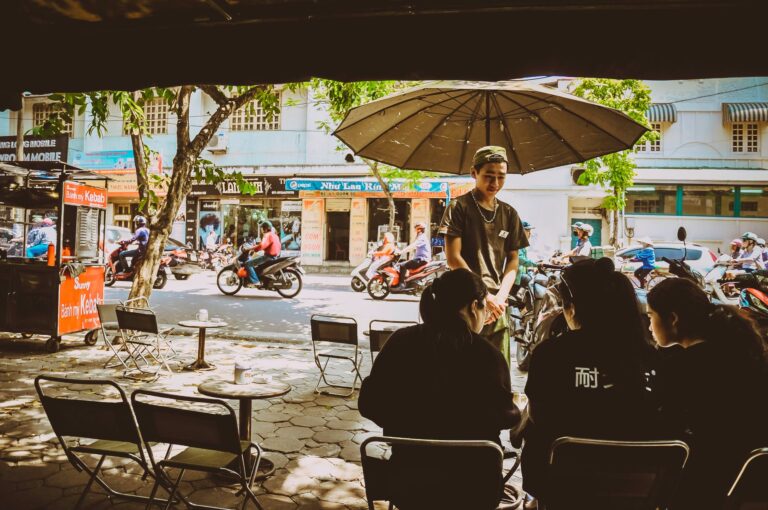
Central Vietnam does it right. Look for sidewalk carts at dawn in Hoi An, or hole-in-the-wall joints in Danang where the plastic stools outnumber chairs. No English signs. No frills. Outside the region, quality nosedives—Hanoi versions often oversalt, Saigon ones skimp on turmeric. Abroad? Find cooks from Quang Nam. Watch for daily-made noodles and broth, not powder packets. Price check: under 50,000 VND in Vietnam, maybe $3-5 elsewhere. If it’s pricier, you’re eating a postcard version.
Mi quang won’t go global. It shouldn’t. This is food that works because it knows its place—and the people who’ve eaten it forever know exactly how it should taste.