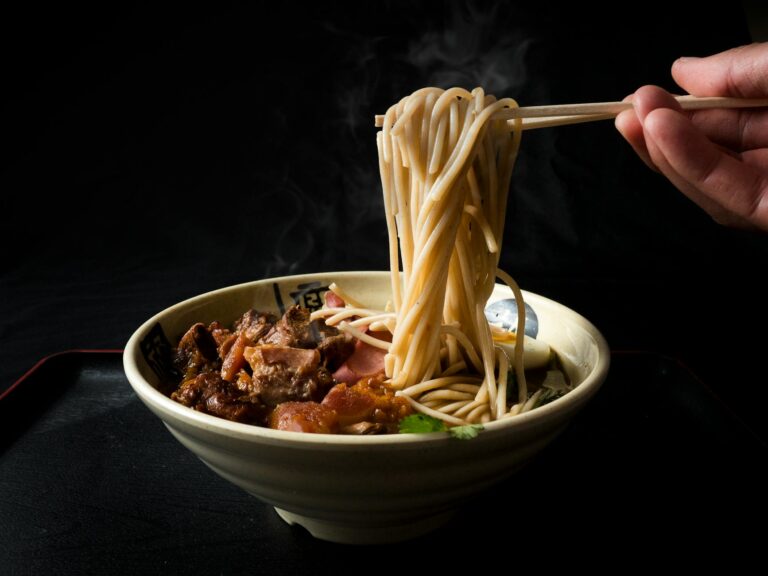
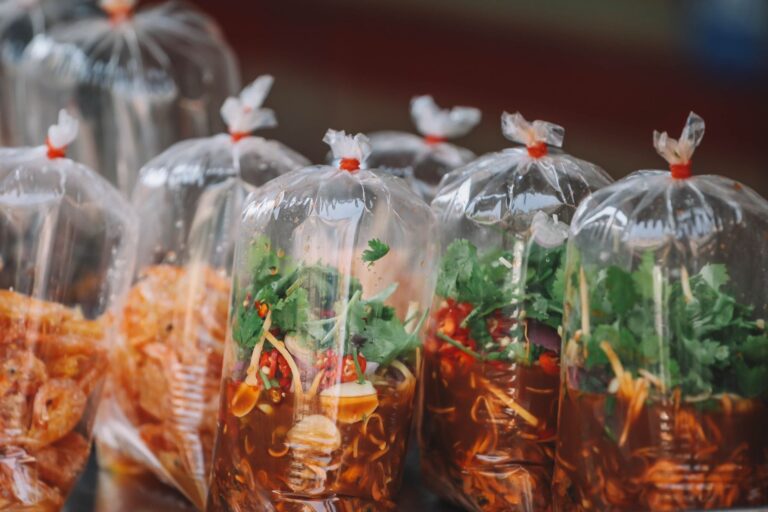
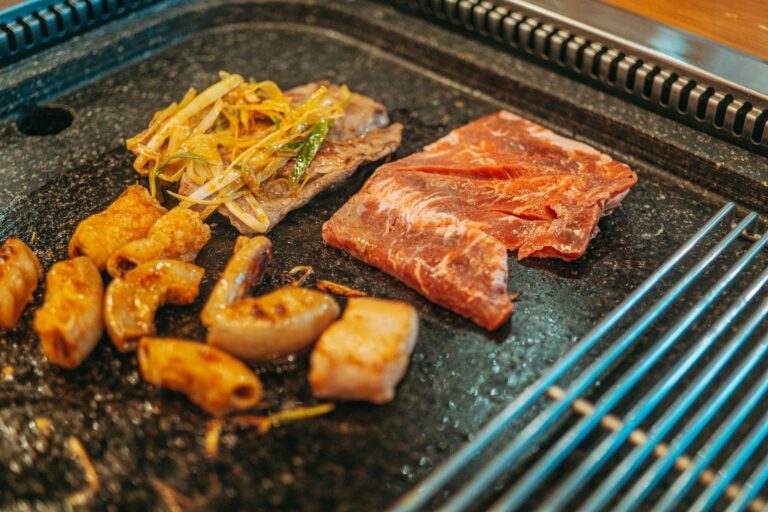
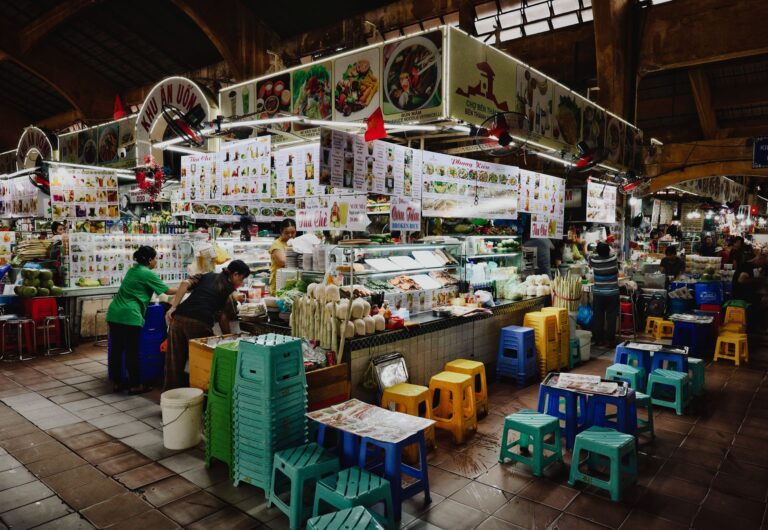
Tokyo
Tokyo Bangkok
 Seoul
Seoul Singapore
Viral Korean Drinks: From Dalgona Coffee to Bingsu
How Korean Drinks Conquered the World
When dalgona coffee flooded TikTok in 2020, no one expected a simple Korean street drink to take over the internet. What began as pandemic comfort food turned into something bigger – proof that Korean drinks have more to offer than just bubble tea. Think creamy bingsu, tangy yuzu drinks, and coffee that’s actually fun to make.
Dalgona Coffee: The Drink That Started It All
Let’s get one thing straight – dalgona coffee wasn’t new. Koreans had been making this whipped instant coffee for years, calling it “ppalli ppalli” (hurry up) coffee. The recipe couldn’t be simpler: equal parts instant coffee, sugar and hot water beaten until fluffy. Pour it over cold milk and you’ve got magic.
2020 changed everything. Suddenly everyone was whisking away in their kitchens. Maybe it was the satisfying foam, maybe it was the lockdown boredom. To make it right, take your time – two tablespoons each of coffee, sugar and hot water, whisked for 3-5 minutes until stiff peaks form. No shortcuts.
Bingsu: Korean Shaved Ice Evolved Into an Art Form
While dalgona came and went, bingsu stuck around. This isn’t your average snow cone. Traditional versions featured sweet red beans and condensed milk over finely shaved ice. Then Korean cafés got creative.
Now you’ll find bingsu loaded with fresh mango, matcha powder, even fried chicken. The Instagram effect took hold – these towering, colorful desserts were made for social media. Classic patbingsu still has its fans, but the new wave uses premium ingredients that would make any food blogger reach for their camera.
The real game-changer? Makgeolli bingsu. Someone had the bright idea to mix traditional rice wine with shaved ice, and suddenly dessert got a whole lot more interesting. Today you can find bingsu variations at Korean restaurants worldwide.
Beyond the Viral: Other Must-Try Korean Drinks
There’s more to Korean drinks than what goes viral. Yujacha warms you up with its honeyed citrus punch. Sikhye, that sweet rice drink served after meals, should be on more menus – it’s like liquid dessert.
Feeling adventurous? Try sujeonggwa, a cold cinnamon-ginger drink with roots in traditional medicine. Hobak-cha (pumpkin tea) and omija-cha (magnolia berry tea) show how Koreans turn healthy ingredients into something you actually want to drink.
And let’s talk about Korean coffee culture. Before dalgona, Korean cafés were already nailing the art of layered drinks and Instagram-worthy presentations. Seoul’s coffee scene could give Melbourne a run for its money.
Bringing Korean Drinks Home
Good news – you don’t need a plane ticket to try these. Korean grocery stores carry everything from yuja paste to bingsu machines. More restaurants outside Korea are adding proper drink menus too. In major cities, specialty shops are popping up to feed the growing demand.
What makes Korean drinks special isn’t just the flavors – it’s how they invite you to play with your food. Whisking dalgona, building your own bingsu, mixing teas – there’s a hands-on joy to it all. Maybe that’s why they caught on globally.
Korean beverage culture isn’t just about trends. It’s a whole approach to drinking that combines tradition with wild creativity. Start with the viral hits, then dig deeper – there’s always another layer to discover.