Tokyo
Tokyo Bangkok
 Seoul
Seoul Singapore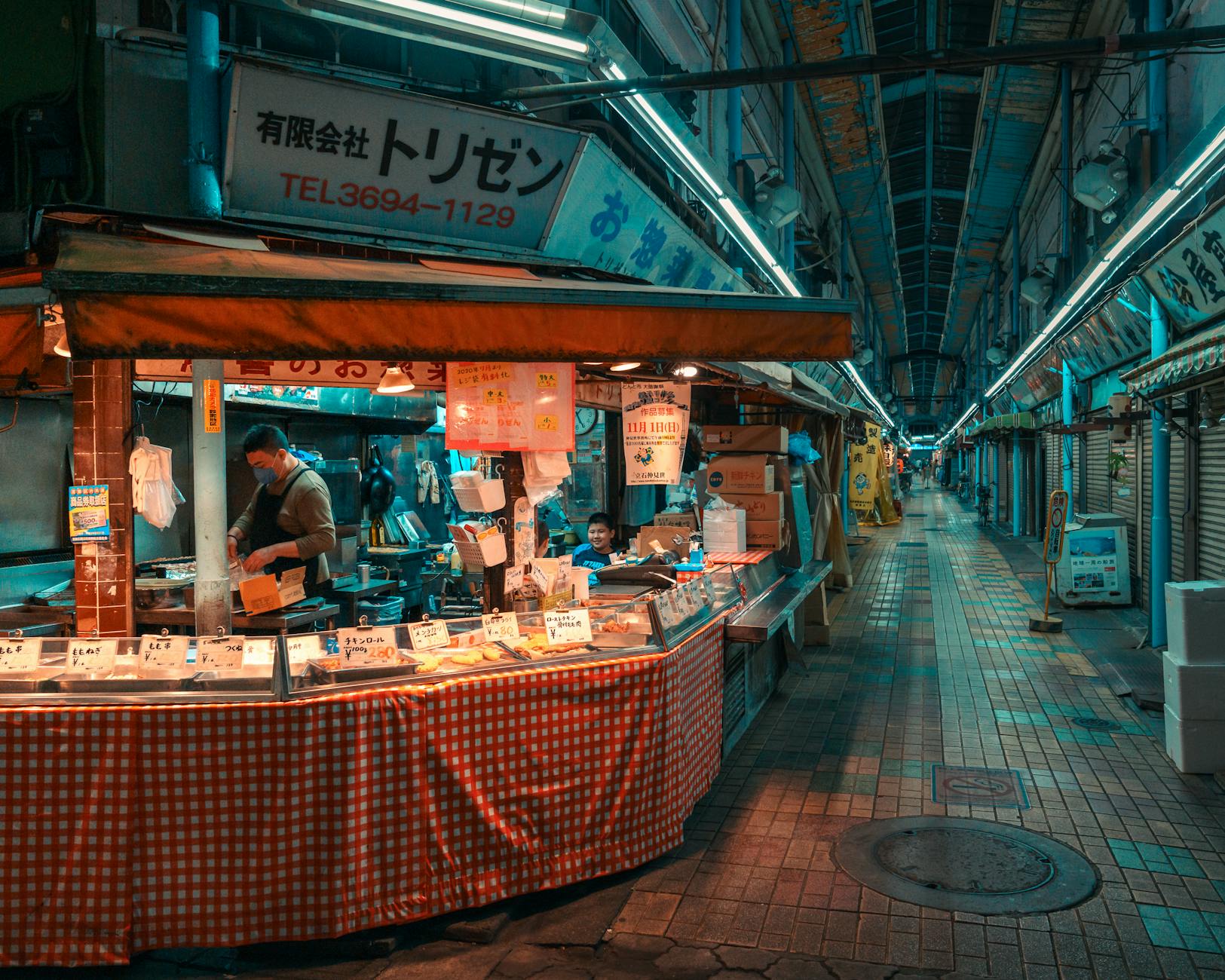
Skip These Tokyo Food ‘Classics’ — Here’s Where to Actually Eat
Most visitors to Tokyo end up eating overpriced, underwhelming meals—the kind you’d expect at an airport, except with longer lines and higher prices.
Tokyo’s Tourist Food Traps
1. Ramen near Shinjuku Station (¥1,200-1,800)
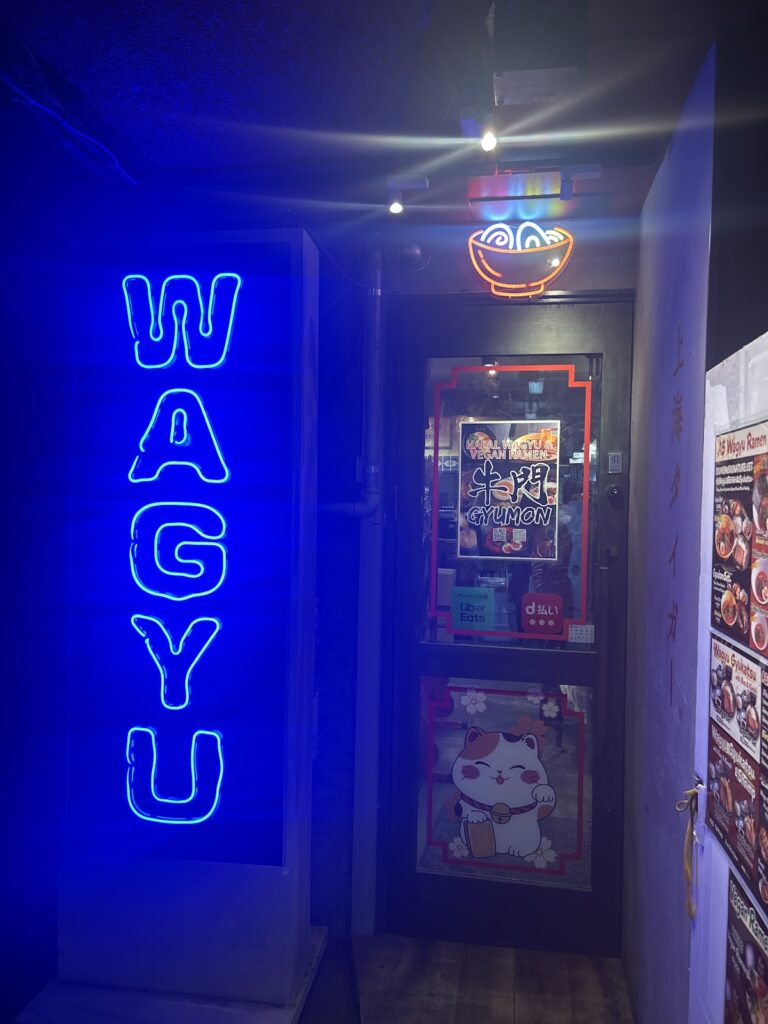
Those bright neon ramen joints with picture menus? They prey on tired, hungry travelers. Broth tastes watered-down. Noodles turn to mush. You’re paying extra just for the location. Here’s the truth: if there’s an English menu and a tourist queue, locals avoid it. The tonkotsu here lacks depth—like they rushed the simmering process.
2. Tsukiji Outer Market Sushi Bars (¥3,500-6,000 per person)
Tsukiji moves fish, not tourists. Sure, the tuna’s fresh. But prices are jacked up, and servers push extras hard. Saw someone pay ¥800 for one slice of egg sushi last week. These chefs cater to cameras, not connoisseurs. Tokyo’s real sushi masters? They work in quiet neighborhood spots, serving regulars for decades.
3. Themed Cafes in Harajuku (¥1,500-3,000 per drink)
Cat cafes. Maid cafes. Anime spots. You’re buying a photo op, not good coffee. The lattes taste burnt because they’re an afterthought. Never spotted a local in these places. Your money deserves better.
4. Chain Conveyor Belt Sushi (¥2,000-3,500)
Sushiro and Kura serve their purpose: cheap, fast, family-friendly. But the fish is just okay. The rice? Fine. You didn’t cross an ocean for “fine.” This is airport sushi with better branding.
Where Tokyo Locals Actually Eat
1. Standing Soba Shops (Tachinomiya) in Shinjuku (¥400-700)
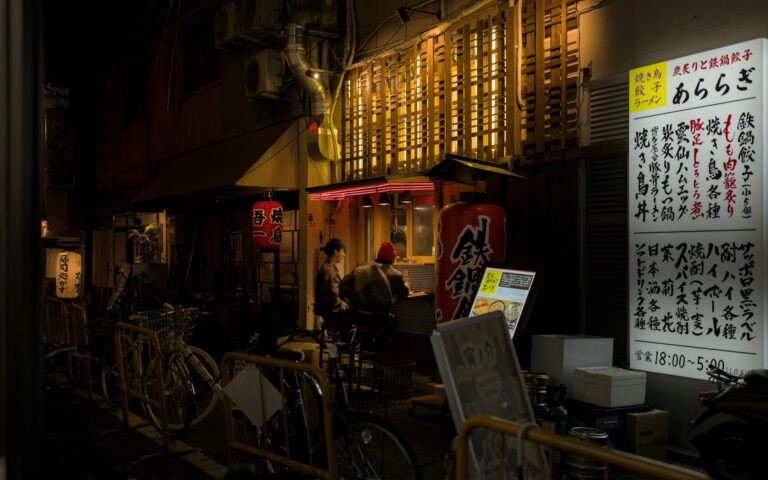
Head behind Shinjuku Station’s South Exit. Look for tiny counters with no signage. Places like Machiya have served salarymen for generations. The broth? Deep, rich, steeped in history. You’ll wolf down noodles in minutes, spend pocket change, and out-eat every tourist in sight.
2. Depachika (Department Store Basements)
Mitsukoshi. Isetan. Takashimaya. Their basement food halls are Tokyo’s best-kept secret. Premium tonkatsu. Fairly priced sashimi. Bento boxes from Michelin-star suppliers. No markups. No crowds. Just exceptional food at honest prices (¥1,200-2,500). This is where the city really eats.
3. Neighborhood Shotengai (Shopping Streets)
Yanaka. Shimokitazawa. Meguro’s backstreets. These covered markets hide decades-old gems. Walk into any ramen joint or tempura counter with no English and a handful of locals. Meals cost ¥800-1,200 and taste like home cooking. Yanaka Ginza alone has a legendary tempura spot running since ’87.
4. Genuine Sushi in Residential Areas (¥4,000-8,000 for omakase)
Think Sushisho Masa in Shibuya or unnamed 8-seat counters in Daikanyama. No signs. Reservations only. The rice is warm. The soy sauce comes from century-old producers. Yes, it’s pricey—but you’re paying for decades of skill, not a prime location.
What Repeat Visitors Say (The Reddit Verdict)
Tokyo veterans agree: the magic happens when you wander into places where you can’t read the menu. Biggest regrets? Following Google’s top-rated traps. As one regular put it: “If it has 4.8 stars and an English site, you’ve already lost.” The takeaway: ditch the famous spots. Eat where no one looks like you.
Your Tokyo Food Blueprint
1. Ignore Google Maps ratings. Use Tabelog instead. Japanese reviewers don’t sugarcoat.
2. Breakfast at konbini. Seriously. Family Mart’s onigiri and miso soup (¥600 total) beat most hotel breakfasts.
3. Get lost for 30 minutes. The best spots don’t advertise. They’re tucked away in residential alleys.
4. Lunch > dinner. Same food, 40% cheaper (¥1,300 vs ¥2,200 for tonkatsu), zero tourists.
5. Splurge smart. One incredible ¥8,000 omakase beats five ¥2,000 “meh” meals.
The Only Rulebreaker
Michelin-starred non-sushi spots (ramen, tempura, tonkatsu) actually earn their hype. But that’s another story.
Stop eating like a tourist. Start tasting like Tokyo.