Tokyo
Tokyo Bangkok
 Seoul
Seoul Singapore
Japanese Washoku: What UNESCO’s Recognition Really Means
In 2013, UNESCO made a rare move: it honored an entire food culture as a Masterpiece of the Oral and Intangible Heritage of Humanity. Not just a dish or a chef. A whole philosophy of eating. Japan’s washoku tradition beat thousands of global cultural practices for this honor—yet most outside Japan barely know it exists.
This wasn’t arbitrary. Japanese officials spent years documenting how washoku operates as a complete system. It shapes everything from ingredient choices to plate arrangement, rooted in seasons, balance, and community. Why UNESCO picked washoku tells us what separates a food tradition from everyday cuisine.
The Four Pillars UNESCO Actually Recognized
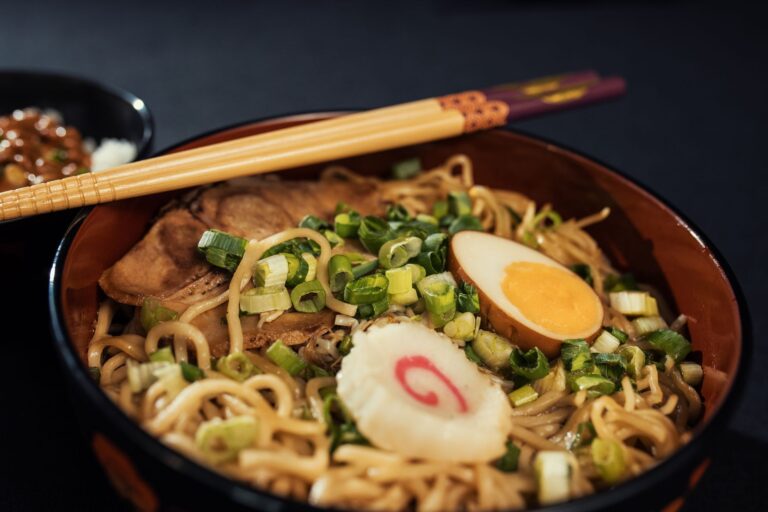
Washoku isn’t just “Japanese food.” It means “harmony of food,” built on four core principles. First: seasons dictate the menu. Cooks don’t just use what’s available—they design entire meals around peak flavors. Spring means bamboo shoots in Kyoto. Summer brings sweetfish from the Kiso River. This isn’t tradition for tradition’s sake. It’s practical, with menus shifting every six weeks.
Second: balance rules. A washoku meal spreads small portions across multiple dishes—grilled fish, pickles, soup, rice. No single flavor dominates. Third: ingredients get respect. Chefs might spend years mastering one technique, like making tofu or dashi, to highlight—not hide—an ingredient’s essence. Fourth: presentation is art. A meal in a Takayama ryokan could pass as a museum piece. Taste matters, but so does how food engages your eyes and nose.
Why This Matters Beyond Japan’s Borders
UNESCO stepped in at a critical time: 2013, when washoku was fading. Tokyo’s youth leaned on convenience stores. Fast food outlets outnumbered traditional spots. The designation wasn’t about preserving relics—it was life support for a living tradition.
For the rest of the world, it confirmed what chefs like Osaka’s Masuhiro Urushido already knew: Japanese food culture has the depth of French or Italian traditions, but expresses it through restraint. A Kanazawa kaiseki meal might have fifteen courses, each bite-sized. That “less is more” approach now influences how Western chefs plate and balance dishes.
How Washoku Works in Real Life (And What You Can Actually Do)
Washoku isn’t about rare ingredients. A Hiroshima family might eat miso soup, grilled mackerel, pickled daikon, and rice—nothing fancy. The magic’s in the details: kombu-infused broth, perfectly crisped fish skin, precisely fermented pickles.
You don’t need a plane ticket to try it. Build meals around one seasonal item—autumn mushrooms, say—instead of a protein centerpiece. Mix textures: soft, crunchy, fermented. Use small plates. Ditch “sides” for equal players. Think like a curator, not just a cook. That mindset—prioritizing balance over abundance—is what UNESCO celebrated: a different way to approach food altogether.