Tokyo
Tokyo Bangkok
 Seoul
Seoul Singapore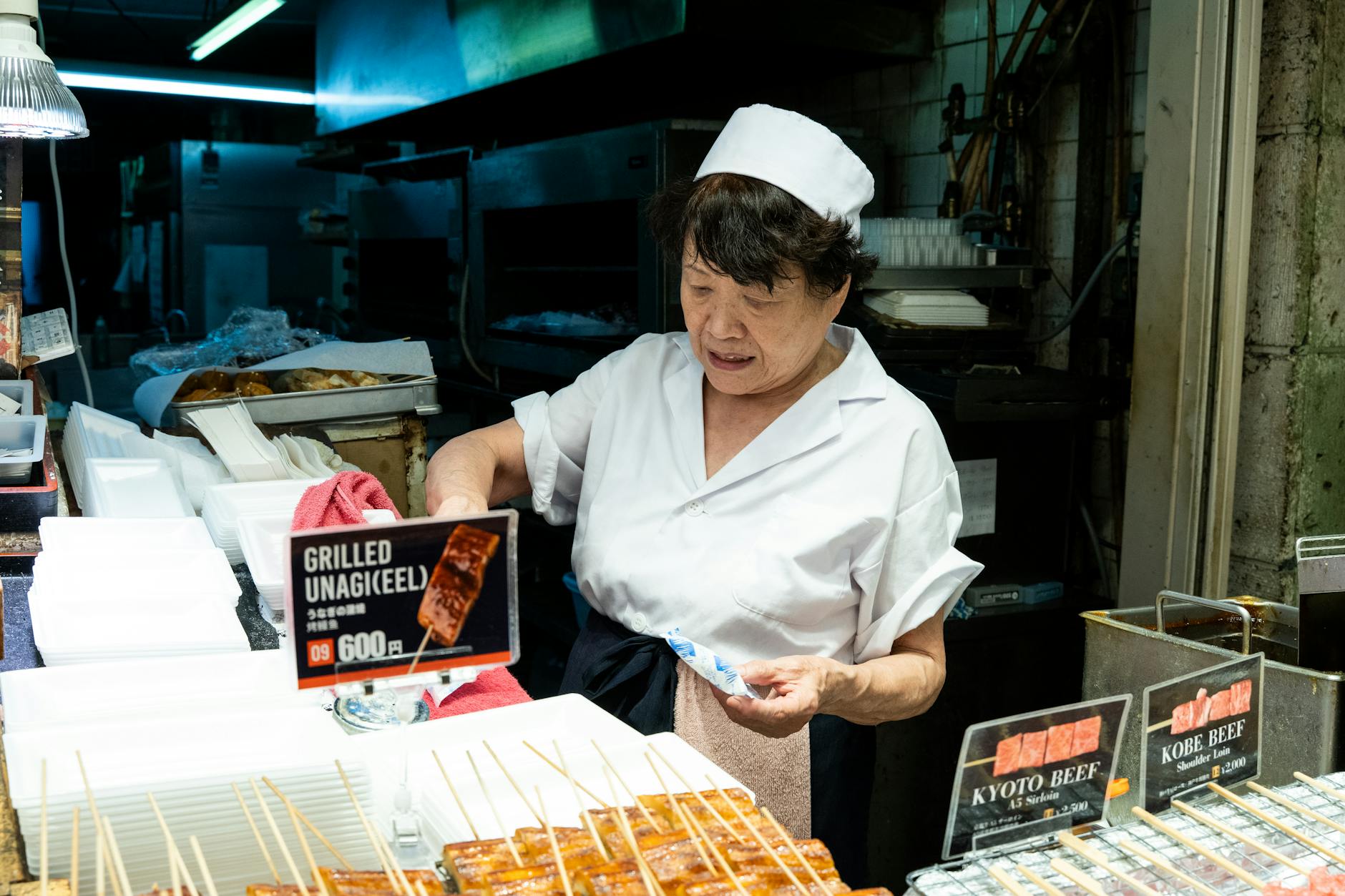
Kyoto Food Guide: Nishiki Market and Kaiseki Dining
Kyoto’s food system runs on rules, not excess. Every ingredient, every dish, every meal follows codes so precise they form a language—one shaped over centuries and still dictating what lands on plates today.
This isn’t just tradition for tradition’s sake. It’s how a city of 1.4 million people upholds culinary standards that leave most food capitals scrambling to keep up.
Nishiki Market Is Where Kyoto’s Food Philosophy Becomes Visible
Nishiki Market crams into a single narrow street in central Kyoto, barely 100 meters long. Along that stretch, 130 vendors hawk produce, fish, pickles, tofu, tea, and ready-to-eat foods—a snapshot of five centuries of Kyoto eating. This isn’t some tourist trap pretending to be authentic. Restaurants shop here daily. Home cooks grab dinner here. The city’s food rules get reinforced with every sale.
To really see it, you need context. The vegetables—daikon, eggplant, mushrooms, greens—look smaller and weirder than supermarket stuff. That’s the point. Kyoto’s restaurants work on strict seasonal rotations, meaning any ingredient gets maybe 6-8 weeks per year. Vendors plan around that. No strawberries in November. Come May, though? They’ll have the sweetest ones, from specific regions, priced for quality rather than shipping costs.
The fish tell the same story. Kyoto sits 75 kilometers inland, so seafood comes fresh but not hyperlocal. The selection mirrors what’s running in the Japan Sea or Seto Inland Sea that season. Winter means fatty fish. Summer brings lighter white fish and shellfish. This isn’t some gimmick. It’s how kaiseki places map out menus months ahead.
Kaiseki Restaurants Are Where the Rules Become a Meal
Kaiseki isn’t just fancy dining. It’s a rigid meal structure built entirely around what’s in season, with unbreakable rules for plating, courses, and portion sizes. A proper kaiseki meal rolls through soup, raw fish, grilled items, steamed dishes, vinegared bites, and rice—each part engineered to spotlight textures and flavors tied to that exact time of year.
Gion Tanto, tucked into the geisha district, does kaiseki that cares more about killer ingredients than flashy technique. Meals hit 12,000–18,000 yen ($80–120 USD) and stretch about two hours. They source straight from Nishiki vendors, tweaking menus weekly based on what’s peaking. In Kyoto, this is normal, not some special exception.
Then there’s Kikunoi, with three Michelin stars—tighter, pricier (25,000+ yen), more exacting. But the core idea stays identical: less is more, season dictates everything. The gap lies in execution and rarity, not philosophy.
New to kaiseki? Try Omen Kodai-ji first. They serve yudofu (tofu hot pot) and other kaiseki-adjacent dishes in a classic setting for 3,000–5,000 yen. You’ll get the seasonal logic and structure without diving headfirst into a full-blown formal ordeal.
Kyoto’s Food Culture Depends on Customers Who Accept Limits
Most places treat seasonal eating like some fancy trend. In Kyoto, it’s the only way the system functions. Limited farmland, no direct ocean access, a restaurant scene that can’t fake year-round ingredients—here, eating with the seasons isn’t optional. It’s the backbone.
That means some things just vanish from menus for months. Tomatoes in January? Nope. Off-season fish? Forget it. Menus aren’t flexible because they mirror what the city’s food web actually provides. Places that cheat—importing out-of-season stuff for consistency—get seen as cutting corners on quality and tradition alike.
Visitors from the US, UK, or Australia often balk at first. Chefs and vendors have one reply: good. That discomfort is the whole idea. Limits breed flavor. Constraints force focus. Your May meal tastes nothing like November’s because the entire food system here revolves around that gap.
Hit Nishiki Market your first morning in Kyoto. Walk it end to end twice. Buy something—tea, pickles, fresh tofu. Eat it right there. Then book a kaiseki dinner for that night. The market will make the meal click. Suddenly, the chef’s choices make sense. You’ll get why certain ingredients showed up, why portions seemed tiny until you realize you’re stuffed two hours later.