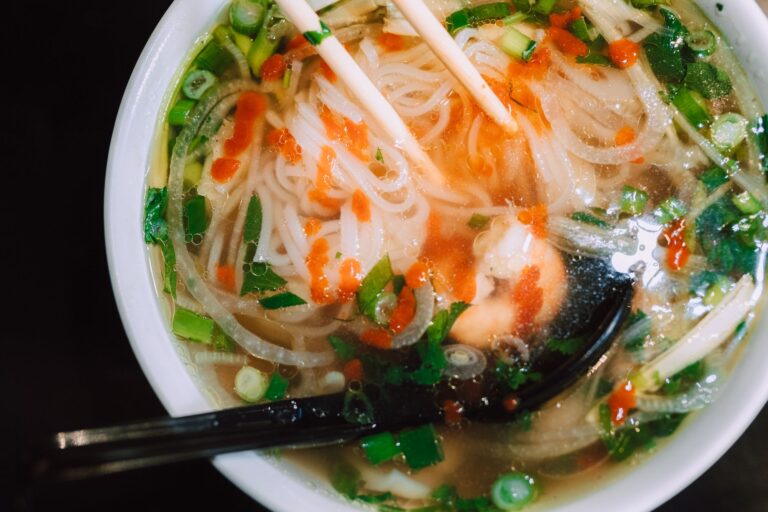
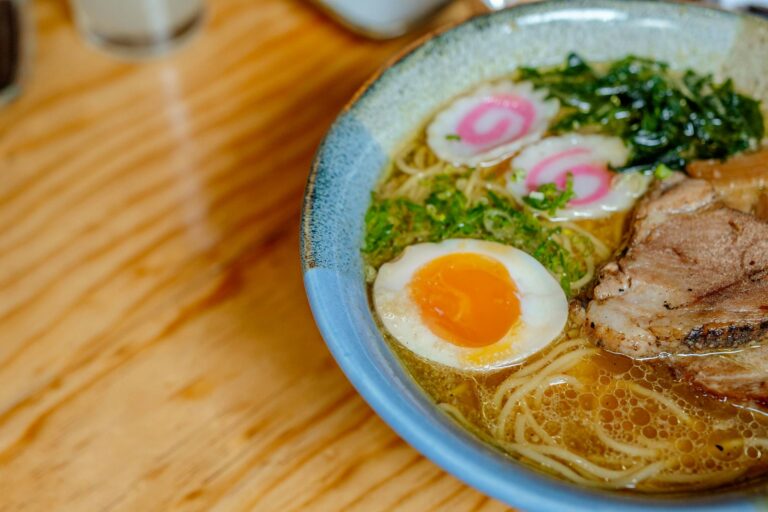
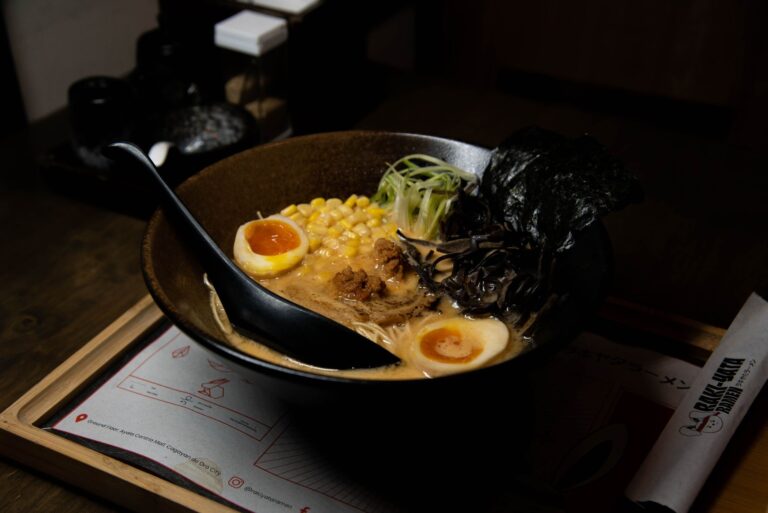
Tokyo
Tokyo Bangkok
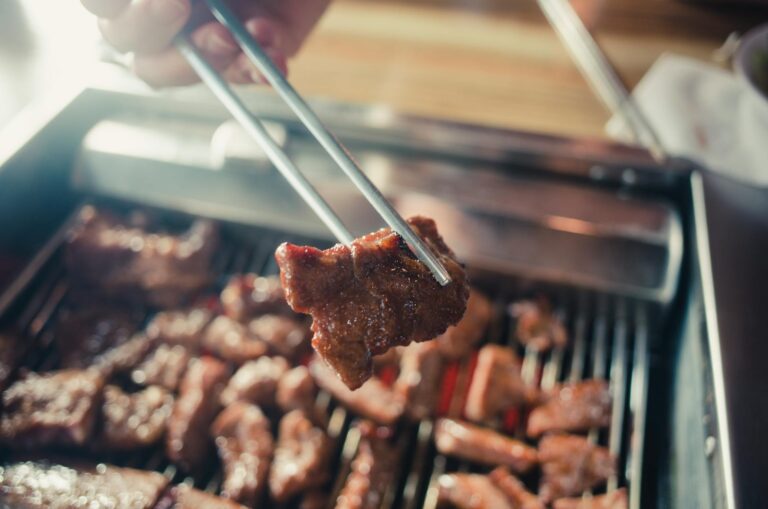
 Seoul
Seoul Singapore
Asian Fermented Foods: The Probiotic Powerhouses Explained
Fermented Asian foods aren’t some flashy health fad. They’re the real deal—protein-packed, flavor-boosting, gut-friendly staples that have fed generations. You don’t mess with tradition when it works this well.
Kimchi and Natto: Fermentation That Actually Does Something
Korean kimchi isn’t just spicy cabbage. That napa cabbage, gochugaru chili, and salt mixture becomes alive during fermentation, crawling with Lactobacillus bacteria that do serious gut work. Real kimchi takes 3-7 days at room temp to develop its signature funk and probiotic punch. Store-bought versions? Often pasteurized—meaning dead inside. Check labels: sodium benzoate = no bacteria.
Then there’s natto. Yeah, it smells like sweaty socks. That’s the Bacillus subtilis bacteria doing its thing, producing nattokinase—an enzyme that helps your heart by breaking down clots. Japanese people didn’t eat this for 1,000 years because it tastes good (it doesn’t). They ate it because it works. One serving beats a whole tub of yogurt, probiotics-wise. Those slimy strings? That’s the bacteria’s doing. It’s not a bug—it’s the feature.
Where to Get the Good Stuff
Tempeh and miso are easier starts than natto, but quality’s key. Good tempeh smells nutty, looks beige with maybe some dark spots. Bright white or sour-smelling? Toss it—that’s bad fermentation. Hit up Asian grocers with high turnover. Frozen beats refrigerated for weeks under gross fluorescent lights.
Miso comes in shades: white (weeks old, sweet), red (months, umami-heavy), or dark (years, flavor bomb). Get it from Japanese markets or legit online shops. Ingredients should be simple: soybeans, salt, koji, maybe alcohol. Nothing else. Fridge storage keeps it good for ages.
The Hard Part: You’re Probably Not Eating Enough
Fermented foods aren’t toppings—they’re daily drivers. Koreans eat kimchi with every meal. Japanese breakfast includes miso soup. Indonesians rely on tempeh regularly. Westerners? They drizzle miso sometimes or order kimchi fries as a treat. That won’t build the gut diversity these foods are meant for.
Here’s the other thing: fermented foods smell and taste weird if you didn’t grow up with them. Natto reeks. Kimchi stinks. Miso? Straight salty punch with no sweet relief. That’s not a product flaw—that’s how they’re supposed to be. Don’t force yourself to choke down what you hate. Your gut responds best to foods you’ll actually eat consistently.
Try This Today
Grab some real miso. Every morning, mix a tablespoon with hot water—nothing else. Do this for two weeks. Notice how your gut feels. It’s the easiest way in, no cooking skills required.