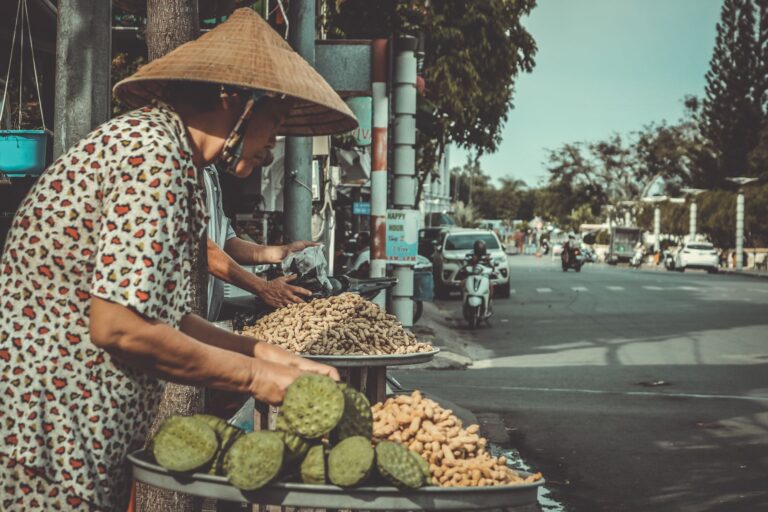
Tokyo
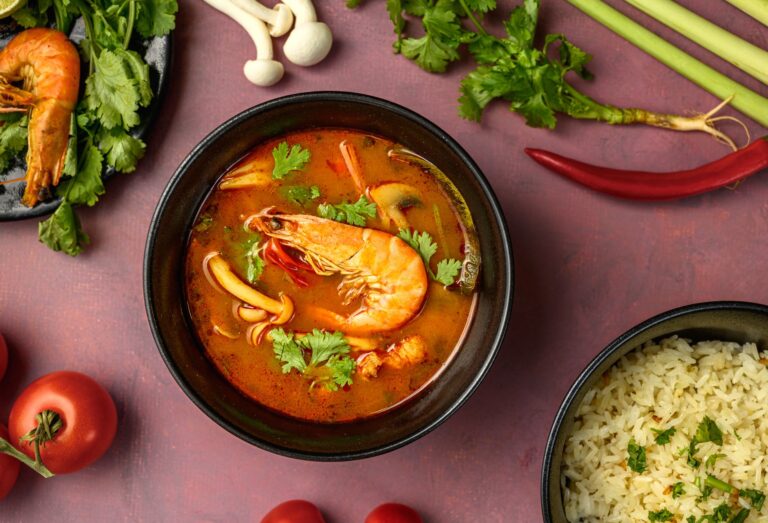
Tokyo Bangkok
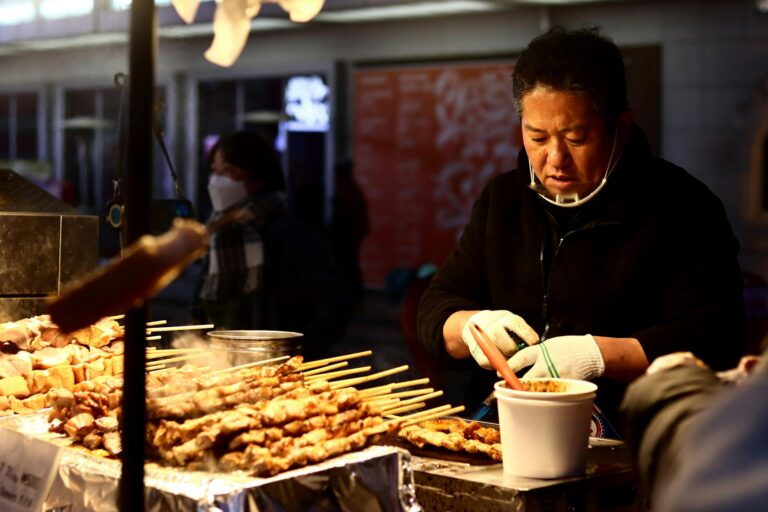
 Seoul
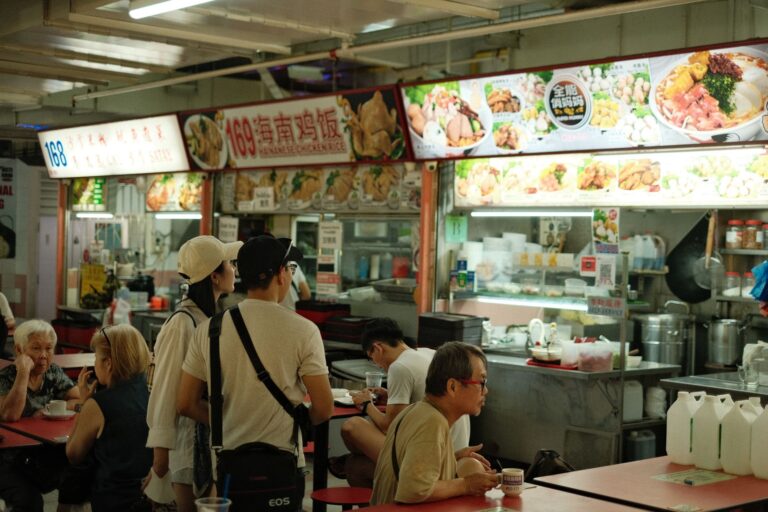
Seoul Singapore
How to Make Authentic Yukgaejang at Home
Yukgaejang wasn’t always a Korean staple. Born in 1950s Seoul, this fiery beef soup was a clever workaround for tough times. Cooks stretched precious beef by shredding it and tossing in whatever veggies they had. What began as survival food stuck around—now you’ll find it everywhere from Busan street stalls to Brooklyn restaurants.
Where Yukgaejang Really Came From
Forget royal kitchens. This dish belongs to soldiers, factory workers, and late-night eaters. The name’s straightforward: “yuk” (beef) + “gaejang” (spicy mix). By the 60s and 70s, it was fueling blue-collar neighborhoods in Daegu and Busan. Regional twists popped up—some versions drown in chili flakes, others sneak in perilla leaves for a herbal punch.
Texture sets it apart. Shredded beef gives it heft without weighing it down. The broth should be clear but pack a punch—not some murky afterthought. Get that balance of heat, meat, and greens right, and you’ve nailed it.
How to Make Yukgaejang
Ingredients (serves 4): 1 pound beef brisket or chuck, 8 cups beef stock, 3 tablespoons gochugaru, 2 tablespoons doenjang (soybean paste), 2 tablespoons soy sauce, 1 tablespoon sesame oil, 4 cloves garlic (minced), 1 tablespoon gochujang, 2 scallions (cut into 2-inch pieces), 1 medium zucchini (julienned), 1 cup spinach, 1 cup bean sprouts, 2 eggs, salt and pepper to taste.
Method: Boil the brisket in stock for 45 minutes until it surrenders to a fork. Shred the beef, strain the broth. In a fresh pot, toast garlic and gochugaru in sesame oil—this wakes up the flavors. Add back the broth, beef, doenjang, soy sauce, and gochujang. Let it simmer. Toss in zucchini and scallions. At the last second, add spinach and sprouts. Crack an egg into each bowl and flood it with broth. The heat cooks the egg just enough.
Pro Moves Most Recipes Skip
Three things separate okay yukgaejang from great: Bloom the chili flakes in oil first—it’s not just spicy, it’s complex. Mix doenjang with gochujang for deeper flavor. And stagger your veggies. Zucchini can take the heat; spinach wilts in seconds.
Underseason slightly before adding the egg—the yolk does the rest. No doenjang? Miso works, but it’ll taste different. Some cooks throw in potatoes or perilla leaves. The dish bends without breaking.
One pot proves you don’t need centuries of history to make something unforgettable. Try it once, and rainy days will have you reaching for the gochugaru.