Tokyo
Tokyo Bangkok
 Seoul
Seoul Singapore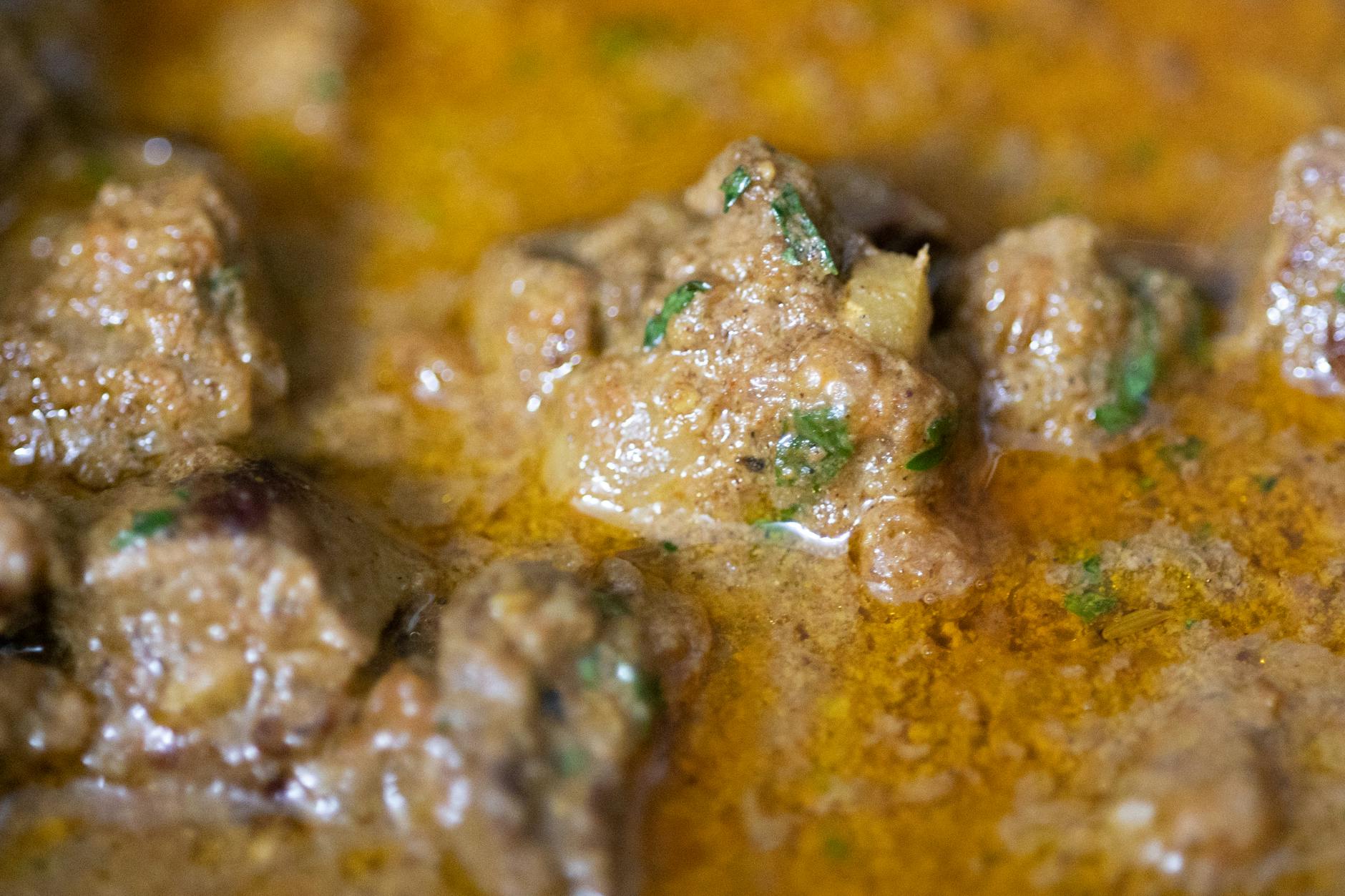
Japanese Curry vs Thai Curry: Key Differences Explained
Ever notice how Japanese curry feels like a warm hug while Thai curry kicks your taste buds into high gear? They share a name but couldn’t be more different—proof that geography, history, and local tastes shape food in wild ways. Here’s why Japan’s kare raisu and Thailand’s fiery curries stand worlds apart.
The Backstory: Two Paths to Curry
Japan got curry through a weird detour. British sailors brought it in the 1800s, and the military ran with it as rations. Over time, locals tweaked it—less heat, more sweetness—until it became the cozy dish families devour today. By the 70s, instant curry blocks turned it into a pantry essential. Now it’s basically Japan’s mac and cheese.
Thai curry? No middlemen here. Spice traders dumped ingredients right into Thailand’s lap centuries ago. Locals mashed up chilies, lemongrass, and galangal into pastes that evolved by region. Some burn your face off (looking at you, central Thailand), while others, like massaman, mellow out with coconut milk and foreign influences.
Flavor Face-Off: Sugar vs. Fire
Japanese curry plays nice. It’s mild, slightly sweet, with whispers of turmeric and coriander. Cooks often sneak in apples or honey—basically dessert disguised as dinner. Perfect for kids or anyone who thinks black pepper is spicy.
Thai curry doesn’t coddle. That first bite hits with lime leaves, lemongrass, and enough chilies to make your nose run. It’s not trying to be polite. The flavors claw their way to the front of your palate and stay there. You’ll either love it or reach for milk.
How They’re Made: Shortcut vs. Scratch
Japanese curry thrives on convenience. Most home cooks grab a roux block—flour, curry powder, and fat pre-mixed. Throw in meat, veggies, and water. Boom: dinner in 20 minutes. It’s the ultimate weeknight cheat code.
Thai curry demands work. Real paste needs fresh ingredients pounded for ages. Even store-bought versions ask you to fry it properly in coconut milk. Mess this up, and your curry tastes flat. Do it right? Pure magic.
On the Plate: Gloop vs. Broth
Japanese curry sits thick on rice like gravy on mashed potatoes. Everything melds together—ideal for cramming into lunchboxes or eating one-handed while watching TV.
Thai curry swims in its bowl, thin enough to spoon over rice as you go. The oil floats on top like lava in a volcano. Customize each bite to dodge (or chase) the heat.
So Which Wins?
Depends if you want a security blanket or a flavor grenade. Japanese curry soothes; Thai curry excites. Smart cooks keep both in rotation—because why pick when you can have two genius takes on the same idea?
Curious how other countries remixed curry? Dig into Indian, Malaysian, and beyond to see the spice’s global glow-up.