Tokyo
Tokyo Bangkok
 Seoul
Seoul Singapore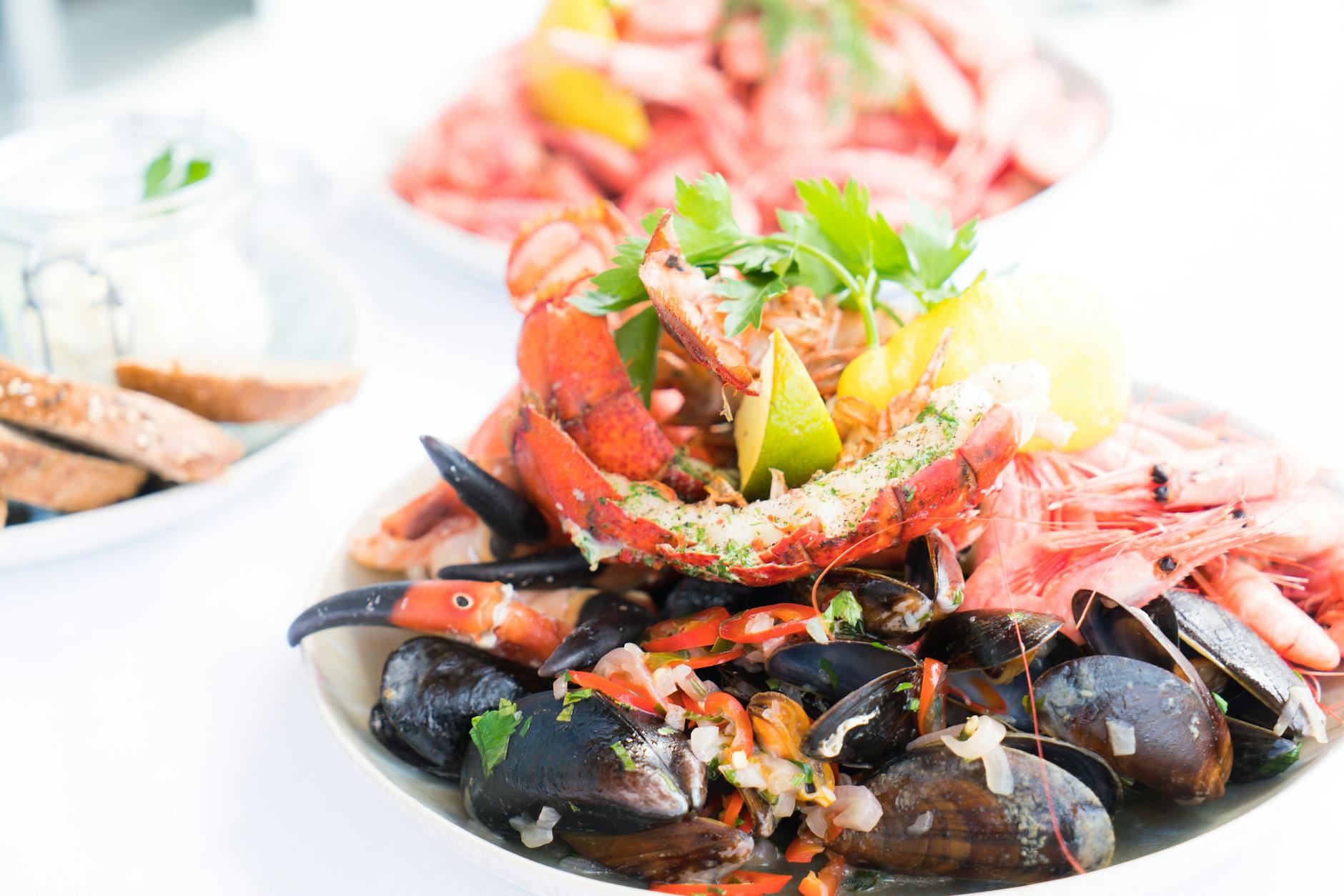
Make Haemul Pajeon at Home: Korean Seafood Pancake Recipe
Most haemul pajeon you’ll find in America? Underseasoned, greasy, and missing the point completely. It’s not about the ingredients—it’s about treating it like some throwaway appetizer instead of what it really is: a dish that needs skill, high heat, and seafood that doesn’t taste like freezer burn.
Haemul Pajeon Is Not a Dumpling, and That’s Why Most Home Cooks Fail
Let’s get this straight: haemul pajeon is a crispy, seafood-packed pancake with squid, shrimp, mussels, and scallions. Not a dumpling. Not a spring roll. It’s closer to okonomiyaki or scallion pancakes, but even that’s not quite right. The batter should be thin—so it fries fast, crisping up before the seafood turns rubbery. Most home cooks mess it up by making the batter too thick, treating it like some lazy crepe instead of a high-heat dish.
A great haemul pajeon shatters when you bite into it. The inside stays tender, never soggy. The seafood should taste fresh, briny, sweet—not like chewy disappointment. If yours turns out greasy or bland, you probably used old oil, skimped on salt, or didn’t get the pan hot enough. No excuses.
Get Your Seafood First, Then Build Backward
Hit up a Korean market or a decent fishmonger. You need fresh squid (cleaned, sliced), shrimp (peeled), mussels, and scallions. No substitutions. Don’t even think about that sad bag of frozen shrimp from the grocery store. If fresh seafood isn’t happening, just make vegetable pajeon—it’s still killer.
For the batter: mix one cup flour with three-quarters cup ice-cold water, one egg, one teaspoon salt, and half a teaspoon sugar. The consistency should be thinner than pancake batter—more like a crepe. Stir it lightly. Overmixing makes it tough. Toss in the seafood and scallions right before cooking.
Heat a nonstick or cast-iron skillet with two tablespoons of neutral oil (vegetable or canola) until it’s smoking. No compromises here. Pour the batter into a thin, even layer—about a quarter-inch thick. Let it sit for 90 seconds without touching it. That’s how you build the crust. Once the bottom is golden and crisp, flip it carefully and cook the other side for another 60 seconds. Total time: three to four minutes. If it’s taking longer, your heat’s too low.
The Truth About Pajeon That Korean Grandmothers Won’t Tell Western Cooks
Haemul pajeon isn’t some delicate gourmet dish. It’s street food—the kind you eat at pojangmacha tents in Seoul after a few drinks. The best versions come from cooks who’ve made it a thousand times, who know their pans inside out, who don’t overthink it. Restaurants nail it because they cook it constantly and use seafood that didn’t sit in a freezer for weeks.
The dipping sauce is key. Three parts soy sauce, one part rice vinegar, minced garlic, a pinch of sugar, and sesame seeds. Keep it simple. No sriracha, no gochujang, no weird fusion twists. The sauce balances the richness and lets the seafood shine.
Slice the pajeon into strips or wedges while it’s still hot. Serve it immediately. Eat it with your hands if you’re at home. Pair it with makgeolli or beer. The crispy edges won’t last—timing is everything.
Make this once, do it right, and you’ll never settle for bad pajeon again. The difference between good and bad comes down to heat, salt, and fresh seafood. No shortcuts.