Tokyo
Tokyo Bangkok
 Seoul
Seoul Singapore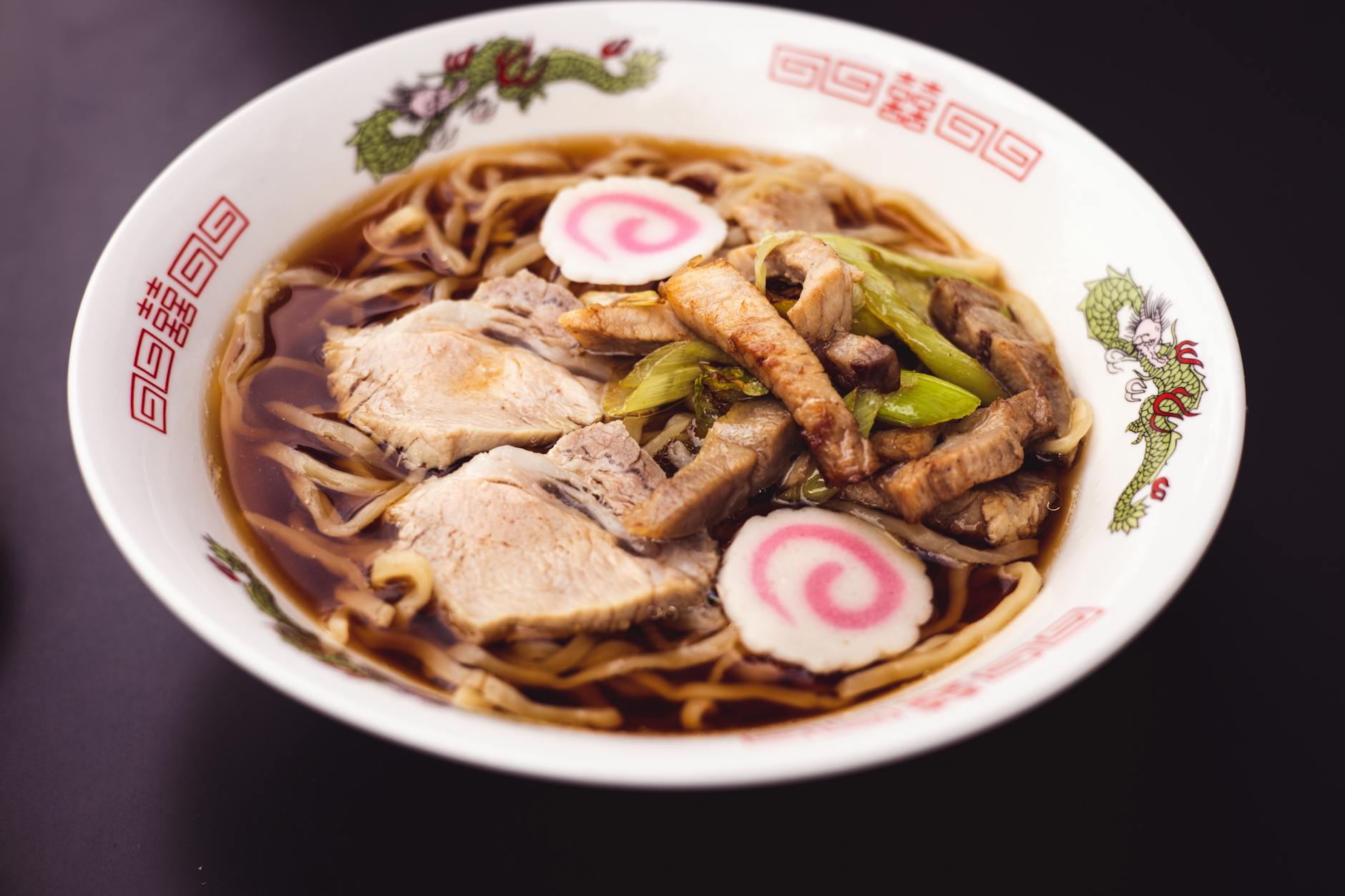
Spicy Tan Tan Ramen Recipe: Authentic Japanese Technique
Tan tan ramen didn’t actually start in Japan—it came from China’s Sichuan province in the 1950s, brought over by Chinese immigrants. But here’s the twist: Japanese chefs didn’t just copy it. They transformed it, trading fiery chili oil for a smooth sesame broth that lets the noodles and toppings shine. What makes today’s best versions special? They strike that perfect middle ground between Chinese intensity and Japanese subtlety.
The Sesame Broth Secret
Forget about heat—the real star here is the broth. Use a solid tonkotsu or chicken stock (homemade if you’ve got 12 hours, store-bought if you don’t). The game-changer? Whisking in 3-4 tablespoons of sesame paste per liter of broth until it’s silky. Many shops boost the flavor with red miso and soy sauce. You want the sesame to feel rich, not heavy. Make your chili oil separately: toast Sichuan peppercorns, dried chilies, and star anise, then pour hot oil over them. Let it sit 30 minutes. This isn’t about drowning your bowl—just a few drops add that tingly kick without overpowering everything.
Noodles and the Tare Trick
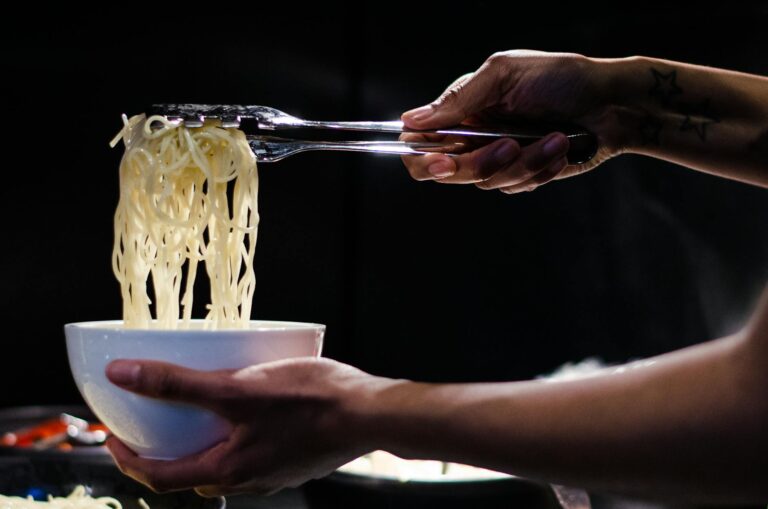
Look for thinner, wavy alkaline noodles—they hold up better in the sesame broth. Can’t find them? Standard ramen noodles work too. Here’s the pro move: instead of mixing everything together, layer a concentrated sesame-chili paste at the bowl’s bottom. Mix sesame paste, chili oil, garlic, salt, and a bit of that infused oil. Cook noodles al dente (3-4 minutes for fresh ones), drop them on the tare, then pour broth over. Every bite stays flavorful this way.
Toppings That Actually Add Something
Tokyo-style tan tan keeps it simple: marinated soft-boiled egg, garlicky ground pork, scallions, maybe some bean sprouts. That pork isn’t just there for looks—it’s meant to be eaten with each bite. Some places add a dab of spicy miso paste for adjustable heat. Skip the kitchen sink approach. This dish works because every element gets its moment.
Good tan tan ramen takes time, especially getting that broth right. Start light with the chili oil—you can always add more, but you can’t undo it. When the sesame and heat balance just right? That’s when you get it.