Tokyo
Tokyo Bangkok
 Seoul
Seoul Singapore
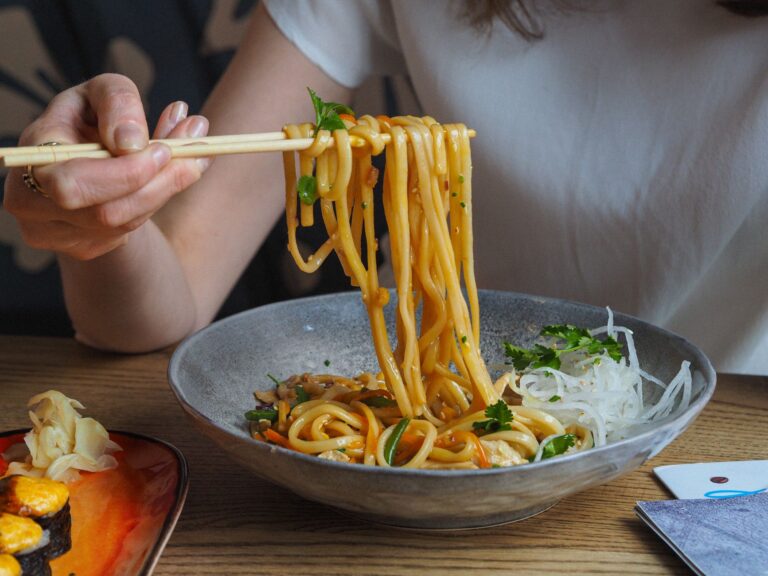
Pad Kee Mao: Thailand’s Drunken Noodle Dish Explained
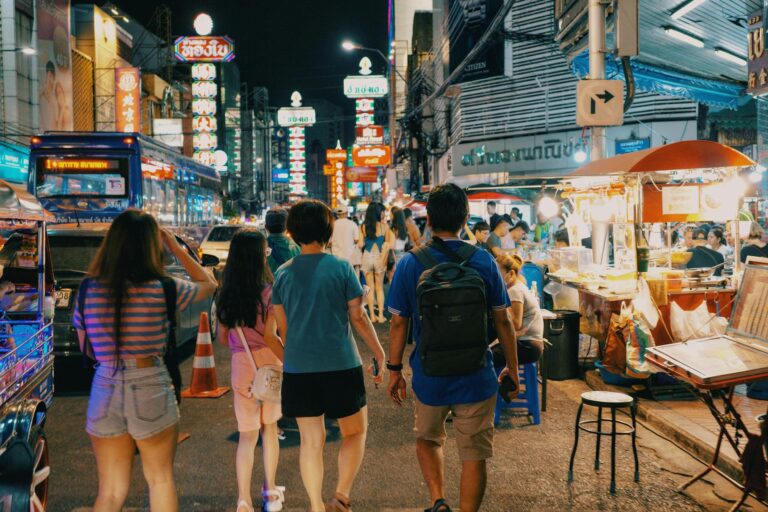
Pad Kee Mao got its English name—drunken noodles—for a simple reason. Thai street vendors would dish it up late at night to tipsy customers leaving Bangkok’s bars. The fiery heat and bold flavors were believed to settle stomachs and bring drinkers back to earth. What began as a practical fix became one of Thailand’s most famous dishes, yet most folks abroad still miss what makes it truly Thai.
How Geography Shaped a National Dish
This dish started in Isan, Thailand’s northeast, where it borders Laos. Mid-20th century. The region’s climate meant chilies, garlic, and holy basil grew like weeds, while cheap rice noodles fed workers. Unlike central Thailand’s coconut-rich curries, Isan food punches you with heat, sourness, and herbs. When Isan migrants headed to Bangkok for jobs in the 60s and 70s, they brought their street carts with them. The late-night drunk food rep stuck. Now you’ll find Pad Kee Mao everywhere from Chiang Mai to Phuket, but the Isan version? That’s the real deal.
The Ingredients That Define Its Personality
Pad Kee Mao doesn’t mess around. Fresh Thai bird’s eye chilies—three to five per plate—get crushed, not sliced, for maximum burn. Holy basil is essential; its peppery kick sets the flavor apart. Tons of garlic, minced fine and fried just right. The noodles? Dried rice sticks, soaked quick and stir-fried till edges crisp. Fish sauce brings the funk, oyster sauce a touch of sweet. Chicken, shrimp, or pork work, but veggies stay simple: long beans, Thai eggplant, maybe cabbage. No bell peppers or broccoli here—that’s the Western knockoff.
What Pad Kee Mao Reveals About Thai Cooking Philosophy
This dish shows how Thai food balances by contrast, not blending. Chilies fight holy basil. Fish sauce tangles with oyster sauce sweetness. Texture matters too—crispy noodle edges, tender centers, basil that stays bright, not soggy. No fancy skills needed here. Just a screaming hot wok and the guts to use it. That’s why it caught on: anyone could make it, anywhere. Want to try? Get real holy basil, fresh chilies, and crank the heat. Don’t overthink it. The magic’s in the simplicity.
If your only Pad Kee Mao came from some Thai-American joint, hunt down an Isan spot or night market version. One bite, and you’ll get it.