Tokyo
Tokyo Bangkok
 Seoul
Seoul Singapore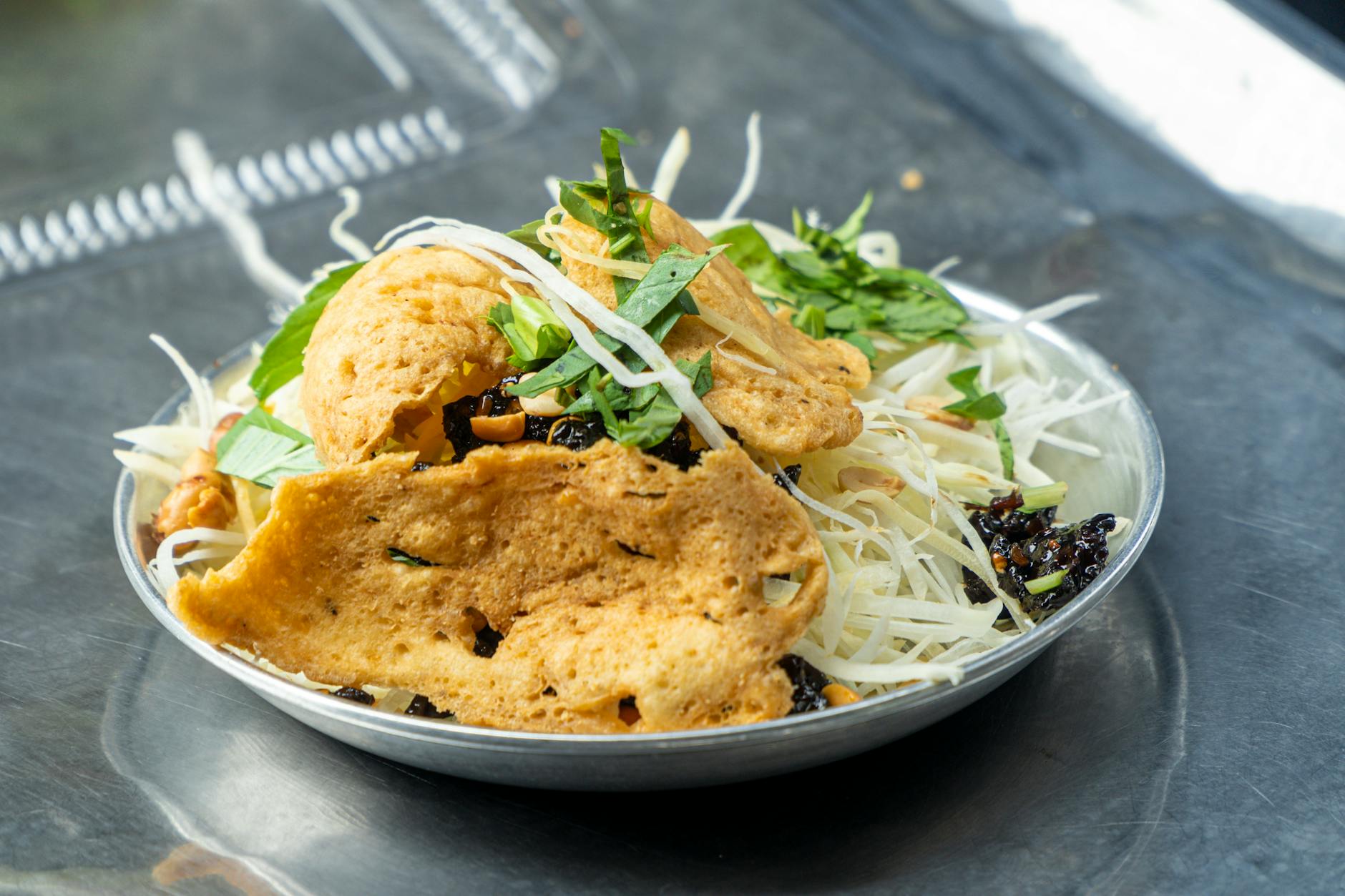
Ho Chi Minh City Food Guide: Ben Thanh, Bui Vien & District 3

A vendor at Ben Thanh Market cracks open a coconut with three swift machete strikes, handing over the shell brimming with warm coconut water and a spoon for the tender flesh. That simple exchange—the practiced rhythm, the no-nonsense skill—captures Ho Chi Minh City better than any guidebook. Saigon’s food isn’t about fuss. It’s about hands that know their work and plates that don’t disappoint.
Ben Thanh Market: Where Saigon Cooks Actually Shop
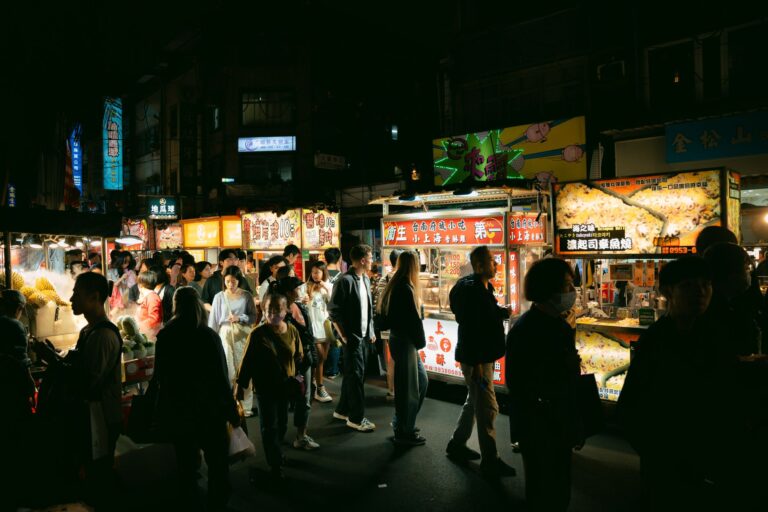
Ben Thanh Market hums with controlled chaos. The main entrance faces Nguyen Hue Boulevard, but skip the touristy banh mi stalls. Push deeper into the covered aisles where locals cluster for bánh canh—chewy tapioca noodles swimming in pork or crab broth. These vendors have perfected their recipes over generations. You’ll taste it in the broth’s cling to your spoon. Near the produce section, stalls squeeze fresh sugar cane juice on demand, spiked with lime and a whisper of salt. Odd? Try it. Arrive by 6 AM. That’s when the market feels alive—not with gawkers, but with cooks grabbing breakfast and bargaining for dinner. Spot a queue? Join it. The bánh cuốn (steamed rice rolls with shrimp and pork) never miss.
Bui Vien Street: Where Backpackers and Locals Eat Side by Side
Bui Vien gets dismissed as a tourist strip, but that’s lazy. Sure, there are hostels and neon signs. But the street food? Legit. And cheap. Rule of thumb: follow the Vietnamese diners, not the laminated English menus. By dusk, the pavement morphs into a dining room—stools unfold, grills smoke, ingredients fan out. Go for the ốc nướng (lemongrass-chili grilled snails), plucking the meat with a toothpick. Or com tam (broken rice), which sounds like a kitchen accident but eats like a masterpiece—turmeric-kissed grains topped with grilled pork, a fried egg, and tangy pickles. Park on a stool. Point at what looks good. Watch the street hum. Cash only, always.
District 3 Cafes: Coffee and Conversation
District 3 (Quan 3) moves at a saunter. This isn’t a postcard neighborhood—it’s where people live. Cafes here aren’t props. They’re places where hours dissolve. Cà Phê Pho Co on Vo Van Tan Street has slung coffee since the ’60s. Order cà phê đen (slow-drip black) or cà phê sua (sweet with condensed milk). The wait is part of the ritual. Between sips, grab a bánh mì from any corner cart or nibble bánh hoàn (crispy shrimp-pork pancakes). The charm? You’re eating in Saigon’s heartbeat, not some curated visitor zone.
Here’s the drill: Ben Thanh at dawn, Bui Vien at dusk, District 3 when the sun hangs heavy. Eat where the crowds do. Keep small bills handy. The best meals here aren’t fancy—just fiercely good and barely a dollar.