Tokyo
Tokyo Bangkok
 Seoul
Seoul Singapore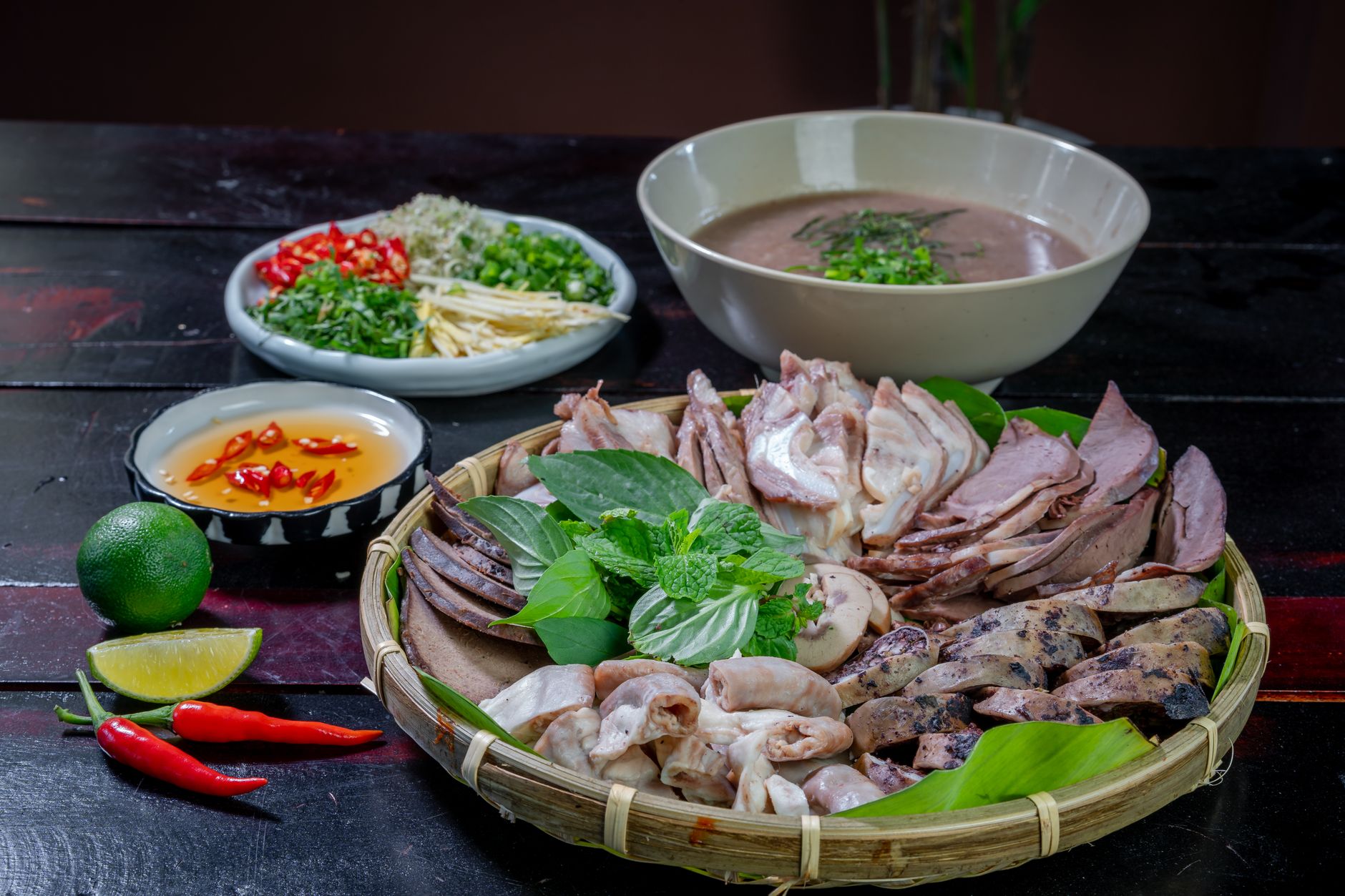
Why Vietnamese Food Is One of the World’s Healthiest Diets

When French colonists landed in Vietnam in the 1800s, they anticipated butter-drenched cuisine. What they found shocked them: a food culture that prized subtlety over richness. Vietnamese cooks had perfected an entirely different approach to flavor—one that modern nutritionists now recognize as remarkably balanced.
The Pho Broth Paradox: How to Build Flavor Without Fat
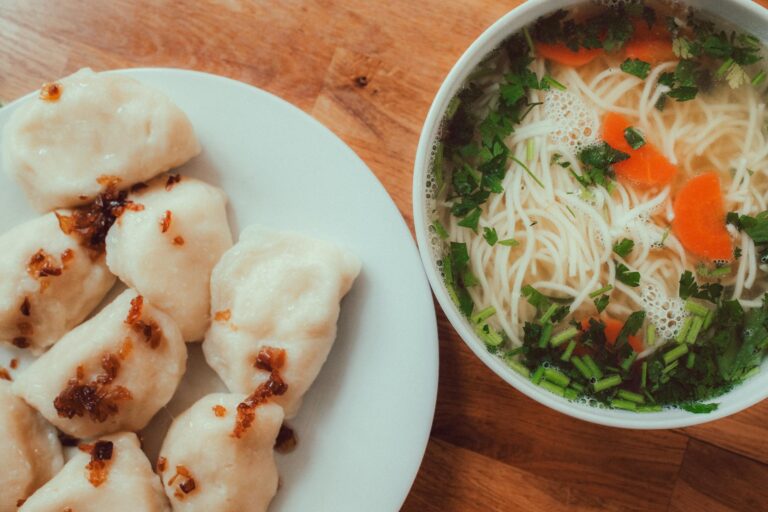
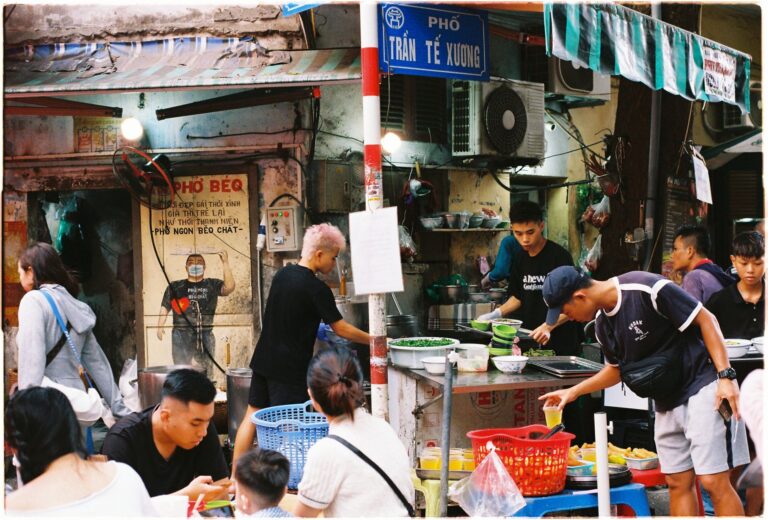
Pho broth shouldn’t work. It’s deeply satisfying yet nearly fat-free. The magic happens in the pot—beef bones, charred onions and ginger simmered for half a day or more. Hanoi street vendors know the drill: toast your spices (star anise, cinnamon, coriander) right before they hit the broth. No roux. No butter. Just patience. A typical bowl clocks in at 150 calories—about a third of what you’d get from cream-based soups. The broth carries the whole show, no dairy required. This same philosophy powers Vietnam’s other soups too, from southern canh to northern specialties.
Fresh Herbs as Medicine: Why Vietnamese Plates Look Like Gardens
Notice anything different at Vietnamese restaurants? Herbs don’t just garnish the plate—they’re the main event. Basil, cilantro, mint—they’re not there to look pretty. Vietnamese cooks have used them as medicine for generations. Cilantro helps detox. Thai basil fights inflammation. Mint cools you down in sticky heat. Instead of cooking these powerhouses to death, they’re served fresh. One pho bowl might pack five different herbs, each doing double duty as flavor booster and health aid. It’s why Vietnamese meals deliver more nutrients per bite than most Western dishes.
Oil Restraint: Why Vietnamese Cooking Doesn’t Need Deep Frying
Vietnamese food uses oil like a precision tool—not a crutch. You’ll find grilling, steaming, quick stir-fries. When oil does appear, it’s packed with flavor from garlic or shallots. Spring rolls? Usually fresh or lightly pan-fried. Meats get grilled with fish sauce and lime instead of drowning in gravy. This wasn’t just choice—it was necessity. With limited access to cooking fats, Vietnamese cuisine learned to make every drop count. The payoff? A full meal—protein, veggies, rice—often stays under 700 calories while keeping you full for hours.
Want to eat better without feeling deprived? Take notes from Vietnamese kitchens. Batch-cook pho broth when you’ve got time. Keep herbs fresh and plentiful. Build meals around clean flavors rather than heavy sauces. It’s not diet food—it’s smart cooking that happens to be good for you.