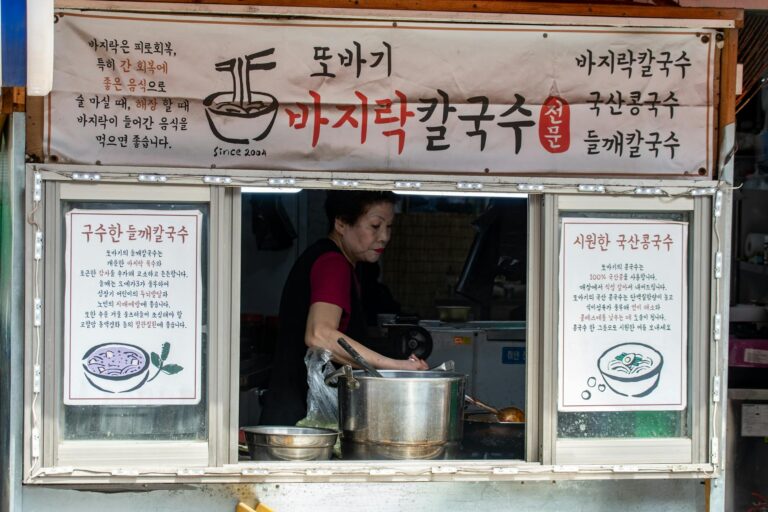
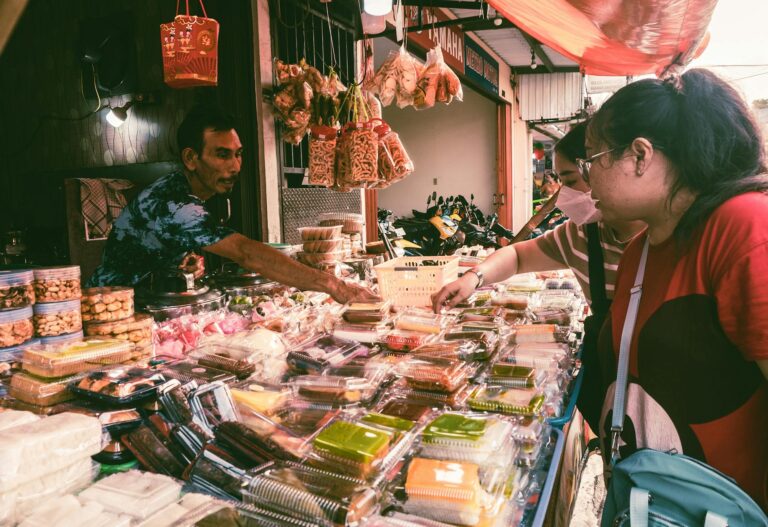
Tokyo
Tokyo Bangkok
 Seoul
Seoul Singapore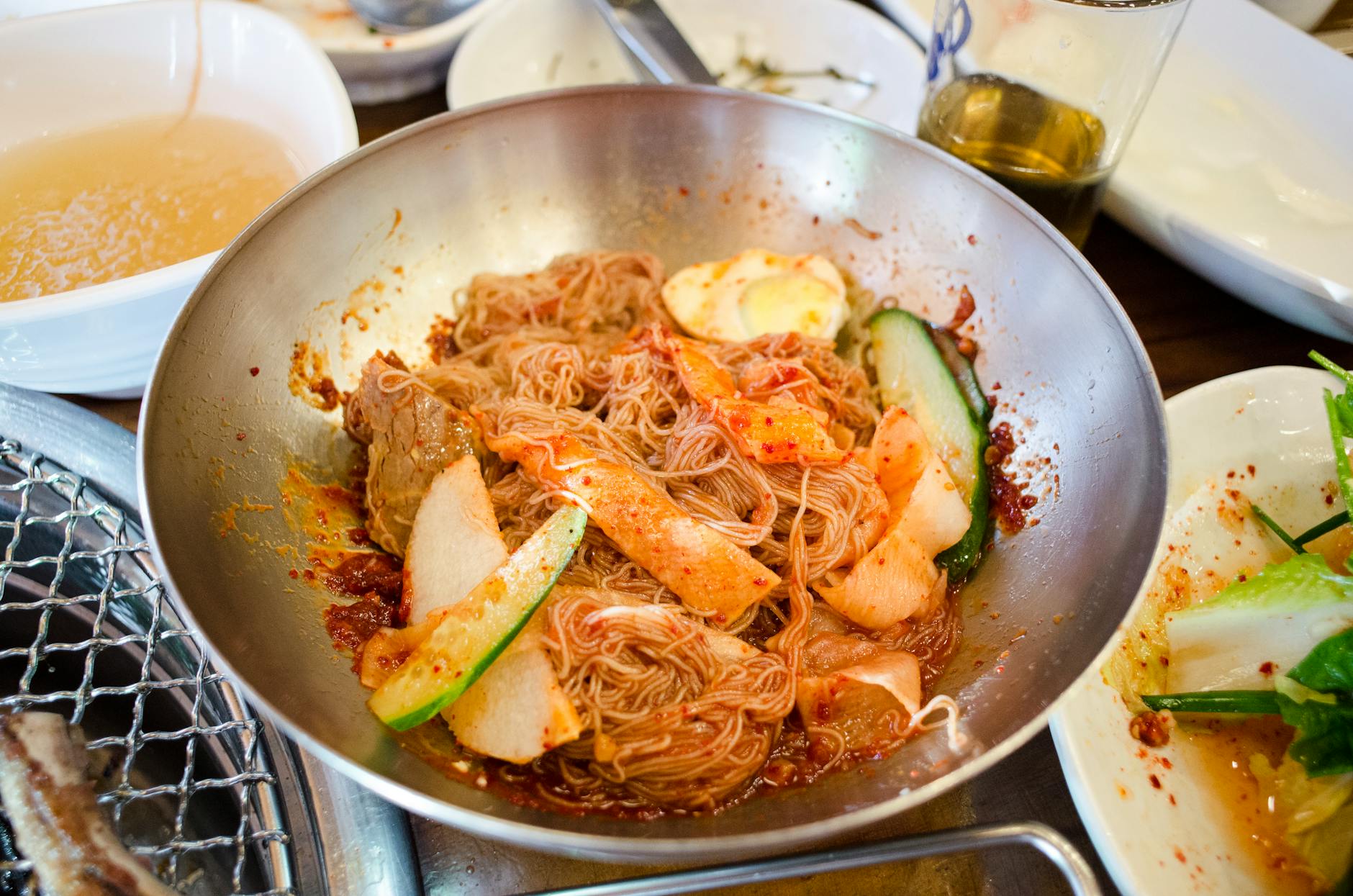
Why Korean Fermented Foods Hold the Secret to Living Longer
Korean food isn’t just delicious—it’s a longevity powerhouse. Forget fancy superfoods or strict diets. The secret’s been simmering in Korean kitchens for centuries, from Seoul’s high-rises to Busan’s street stalls. Fermentation, veggies, and smart fat use make this cuisine a health ally Western science is finally noticing.
Fermentation: Your Gut’s Best Friend
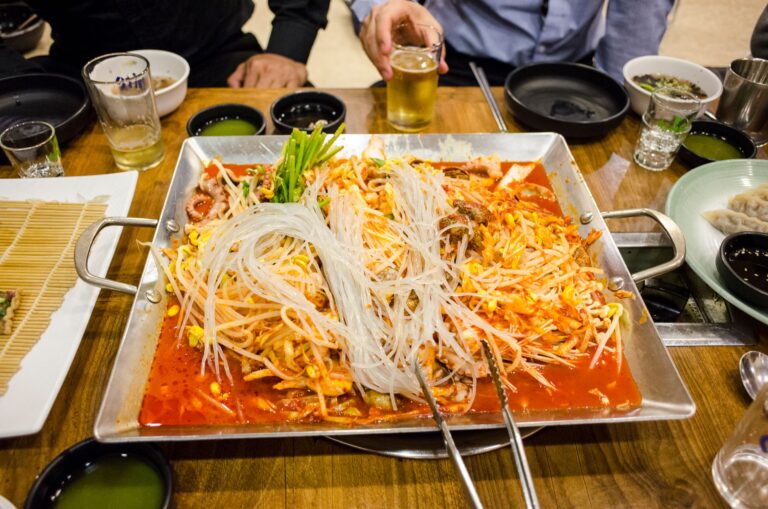
Kimchi isn’t just spicy cabbage. It’s alive. Each bite from a Seoul market stall delivers millions of gut-friendly bacteria—way more than pricey probiotic pills. The magic happens when napa cabbage, radish, and chili flakes ferment with garlic and fish sauce. The result? Lactobacillus strains that survive digestion and actually help your immune system.
Doenjang tells a similar story. Unlike mass-produced soy sauce, traditional Korean soybean paste ages for months or years. Temples in Jeolla Province still make it the old way, proving time equals flavor and nutrition. The slow fermentation preserves enzymes that ease digestion and fights inflammation. Science backs this up: regular eaters show better metabolic health.
Veggies Take Center Stage
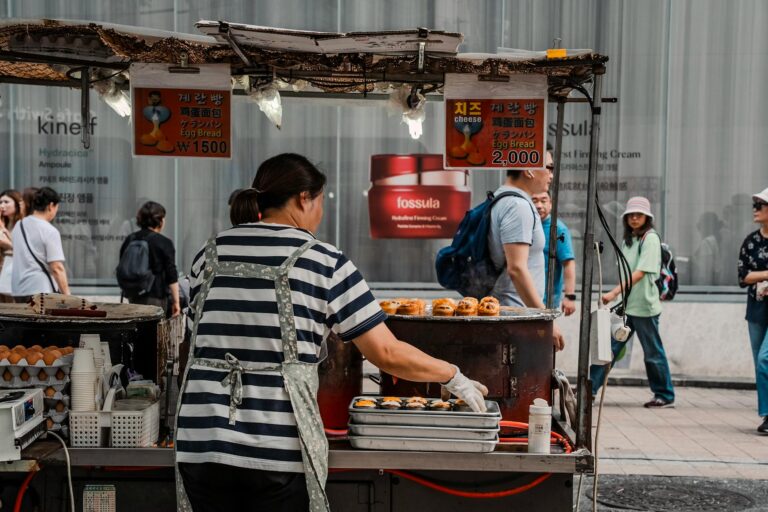
In Korea, plants aren’t afterthoughts. A Gangnam bibimbap piles on six to eight veggie varieties—spinach, mushrooms, radish, zucchini, sprouts. Street food tents do the same. It’s not garnish; it’s strategy. These meals pack fiber and antioxidants most Western plates lack.
Banchan change the game. Every meal comes with kimchi, seasoned greens, and pickled veggies—no extra cost or effort. Koreans average 2-3 vegetable servings per meal; Americans barely hit one. Decades of this pattern cut cancer risks and keep blood sugar steady. Gochujang adds a spicy kick that revs metabolism too.
Flavor Without the Fat
Korean cooks don’t drown food in oil. They steam, grill, or simmer instead. Dishes like galbijim (steamed ribs) and samgyetang (ginseng chicken soup) satisfy through technique, not grease. Sesame oil appears—but just a drizzle for flavor. Meals in Korean restaurants abroad often have 30-40% less fat than Western options, yet feel more filling thanks to umami and texture play.
This approach shows in the numbers. South Korea’s obesity rates rank among the world’s lowest, while life expectancy soars. The food delivers deep satisfaction without clogging arteries. Miso broths, veggie-loaded stews, and fermented sides taste incredible while keeping organs humming.
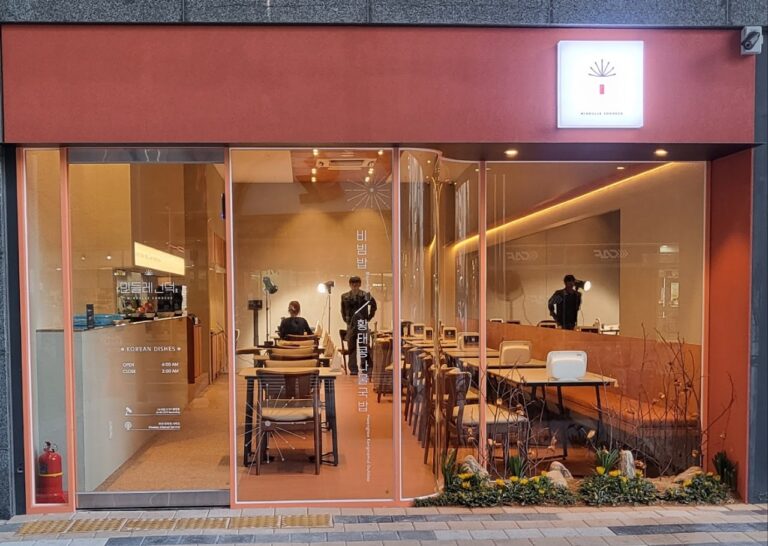
Want real health benefits? Skip the supplements. Hit a Korean spot for bibimbap with all the banchan, some doenjang-jjigae, and extra kimchi. Make fermented foods routine. Your gut—and your future—will notice.