Tokyo
Tokyo Bangkok
 Seoul
Seoul Singapore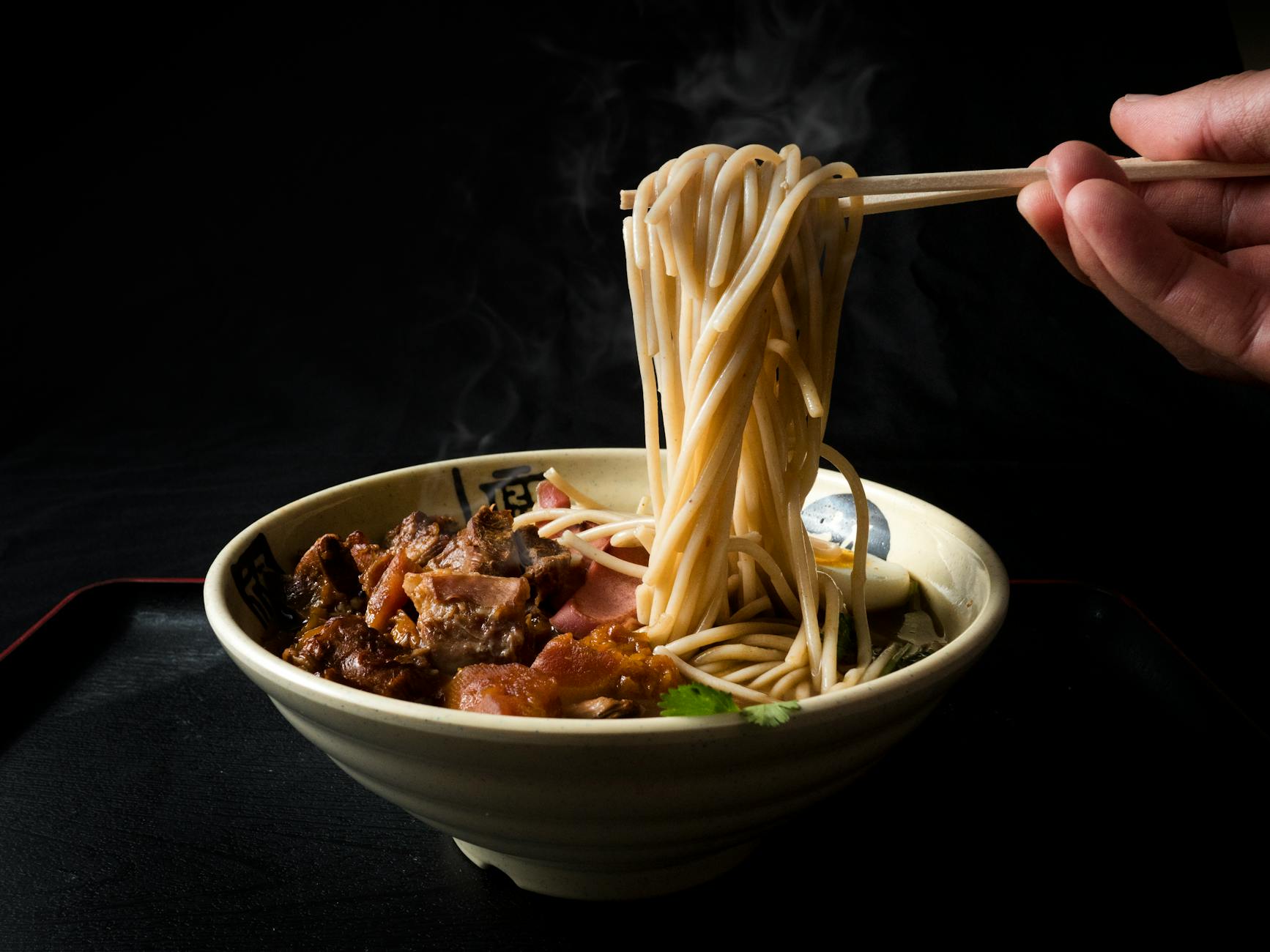
Japchae: Korean Glass Noodles Explained
Japchae might be the most underrated Korean dish outside Korea—not because it’s fancy, but because it’s deceptively simple. Just sweet potato starch noodles tossed with veggies, meat, and soy sauce. That simplicity? That’s why it’s stuck around for 400 years. And why you should pay attention.
The Noodles Are the Star
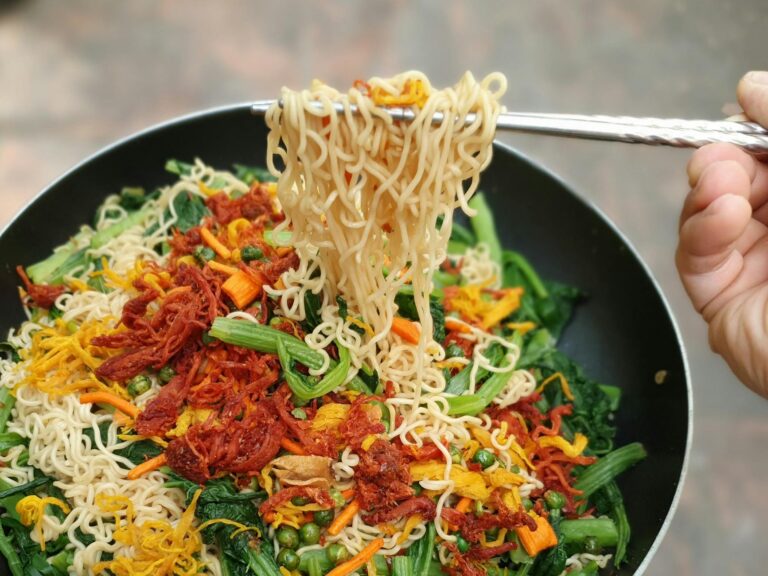
Everything hinges on those noodles. Forget wheat or rice—these are pure sweet potato starch, with a slippery, bouncy texture you won’t find elsewhere. Bite into good japchae and you’ll feel a slight resistance. Mushy means they screwed up. Crispy? That’s twigim japchae, a whole different thing.
Sesame oil is mandatory. Not optional. You’ll know the second it hits your tongue. Combined with soy sauce (both light and dark), garlic, and a hint of sugar, the flavors should balance perfectly—savory, sweet, nutty. Bad japchae tastes like noodles with random toppings. Good japchae tastes like everything belongs together.
Seoul’s Version Wins for a Reason
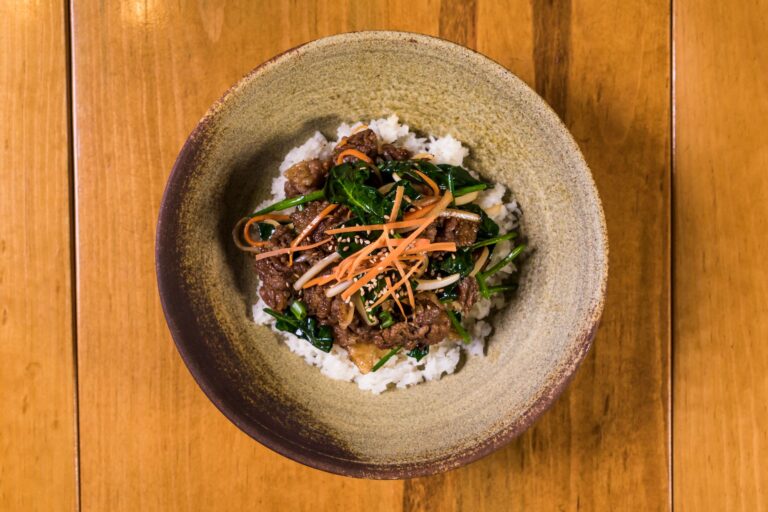
Originally royal court food, japchae now pops up everywhere from weddings to street carts. Busan throws in squid or shrimp. Gwangju goes heavy on vegetables. But Seoul’s classic combo—thinly sliced beef, carrots, spinach, mushrooms, onions—is the gold standard. It’s been refined over generations.
The best japchae often comes from unassuming places. Take that Myeongdong street vendor who’s been serving it for 20 years. Perfect chew. Sesame oil you smell before tasting. Beef marinated just right. Four bucks. No Michelin needed.
How It’s Actually Eaten
Here’s the thing: japchae is rarely the main event. Koreans treat it as a side dish, eaten between bites of rice, soup, and banchan. It’s a texture break, not the centerpiece. Keep that in mind when ordering or cooking—build a spread, don’t make it solo.
Presentation isn’t just pretty. The traditional mound keeps noodles warm. Sesame seeds add crunch. That raw egg yolk on top? Mix it in—it binds everything and adds richness. This isn’t decoration; it’s functional.
Make It Right at Home
Any Asian market sells sweet potato starch noodles (dangmyeon). Check the label: sweet potato starch, water, maybe tapioca. Boil 5-6 minutes until tender but springy. Toss with sesame oil immediately. Then stir-fry with pre-cooked beef, blanched veggies, garlic, and your soy-sugar mix. Fifteen minutes start to finish. Do it right once, and you’ll get why this dish endures.
Find a Korean spot that cares about japchae. Ask if they use real sweet potato noodles. Order it as part of a meal, not alone. Taste the sesame oil first. Eat it small bites with rice and banchan. That’s when it makes sense.