Tokyo
Tokyo Bangkok
 Seoul
Seoul Singapore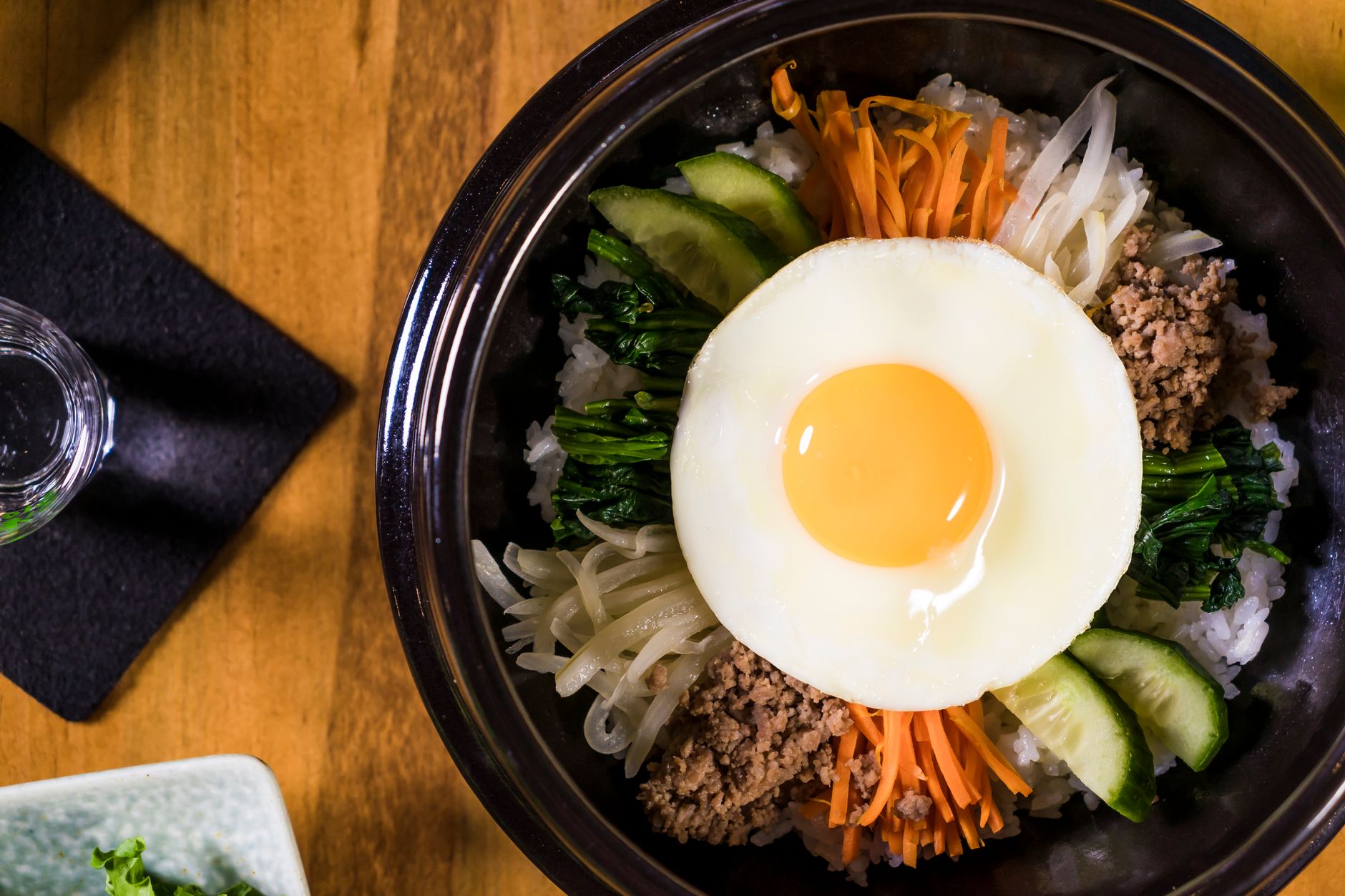
Bibimbap: Korean Home Food Guide Beyond Tourism
Bibimbap isn’t fancy in Korea—it’s what you eat when you’re busy, short on cash, or just need something fast. Grandmas make it with fridge leftovers, moms whip it up after work, and office workers grab it from the corner spot. Think of it like a Korean sandwich: no rules, no stress, just whatever works. This is how real Korean families eat, not the polished version you see in tourist spots.
Why Bibimbap Became Korea’s Everyday Staple
Bibimbap started as a quick fix during the Joseon Dynasty—servants and laborers needed something hearty they could throw together fast. The name says it all: “mixed rice.” Rice, veggies, protein, an egg, and gochujang, all stirred up. The beauty? You could use scraps of meat, random vegetables, and feed a crowd without fuss.
When Korea’s cities boomed in the 1900s, bibimbap became the ultimate lunch hack. Students, office workers, families—everyone needed something fast but filling. Now? Walk any block and you’ll spot it everywhere: specialty shops, temple cafés, even street stalls. It’s not a special occasion meal. It’s what you eat when you’re hungry.
The Regional Versions Koreans Actually Argue About
Jeonju bibimbap gets the hype abroad, but locals know the details count. Here, it’s all about soy-marinated beef (not too spicy), raw beef, and veggies like bracken fern and bean sprouts. The rice sticks a little, and sesame oil ties it together. Fancy, but not pretentious.
Dolsot bibimbap is Seoul’s go-to. The stone bowl scorches the rice until it crackles at the bottom—that crispy layer (nurungji) is the prize. You’ll hear it sizzling before it hits your table. Busan’s version swaps in seafood—octopus, squid, whatever’s fresh. Tongyeong adds raw fish. Namwon piles on the meat. Every region swears theirs is best. They’re all right. It just depends where you’re standing when the hunger hits.
How to Actually Eat It Like Someone Who Grew Up With It
Forget Instagram-perfect presentation. The second your bowl arrives, mix everything—rice, veggies, egg, gochujang—until it’s all one chaotic, delicious mess. Some people add extra chili paste or a drizzle of sesame oil. Taste as you go. Adjust. Make it yours.
The egg yolk should be runny when you start—the hot rice finishes cooking it. If it’s hard already, something’s off. At home, Koreans might skip the egg or use a tiny quail egg instead. Veggies get seasoned one by one (salt, sesame oil, maybe garlic), not dumped in raw. Takes a few extra minutes, but the flavor’s totally different.
Heat matters. Dolsot bibimbap should arrive still crackling. Lukewarm is okay but sad. Cold? Only if it’s yesterday’s leftovers eaten over the sink.
At home, use whatever veggies are wilting in your fridge. Spinach, zucchini, mushrooms—toss them with salt, sesame oil, garlic, and a splash of soy sauce. Rice, fried egg, gochujang. Mix. Done. No fancy plating. Just food.