Tokyo
Tokyo Bangkok
 Seoul
Seoul Singapore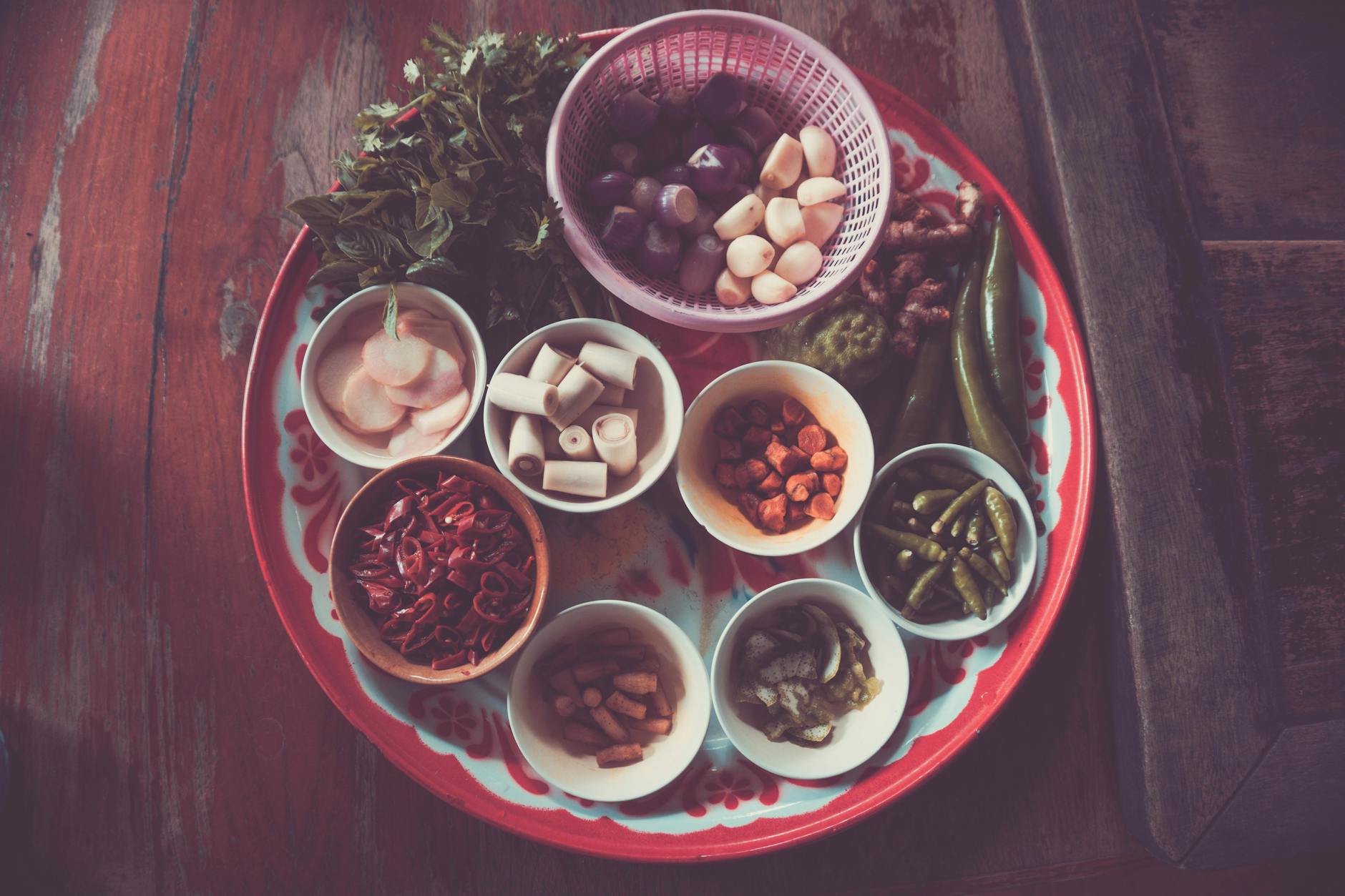
Chiang Mai Food Guide: Night Bazaar to Warorot Markets
Chiang Mai’s food didn’t evolve from recipes—it was born from the land. Cut off by mountains, cooks relied on what grew nearby: chilies, sticky rice, fermented pastes. No other Thai city tastes like this. That’s why food lovers ditch the guidebooks and follow locals to the markets, where flavors feel worlds away from Bangkok.
Night Bazaar: Street Food Without the Show
The Night Bazaar stretches for blocks, but the real deal clusters along Anumanrajadhon Road after dark. Skip the trinkets. The food stalls here have fed generations. Try the khao soi—Northern Thailand’s curry noodle soup that puts Bangkok versions to shame. The broth simmers with charred dried chilies, giving it a smoky kick you won’t find elsewhere. At the stall near Anumanrajadhon-Thapae intersection, they pile crispy noodles on top and hand you a lime wedge to cut through the coconut cream.
Don’t miss sai oua, the Northern sausage. Pork gets mixed with lemongrass, galangal, and kaffir lime, stuffed into casings, then grilled until the skin splits open. Served with sticky rice and raw veggies, it’s nothing like the fish-sauce-heavy sausages down south. Here, the herbs take center stage.
Warorot Market: Where Locals Shop, Not Pose
Warorot (sometimes spelled Waroros) runs all day as Chiang Mai’s main wholesale hub. Ground floor stalls sell produce so fresh, the tomatoes still smell like earth. Grab nam prik ong, a tomato-chili dip that tastes brighter here because they use local ingredients. Upstairs, workers queue for khao kha moo—pork leg braised until it collapses off the bone, drenched in reduced gravy. The stall with the longest line? That’s the one.
Nearby, gang hang lay simmers in pots—a Burmese-style pork belly curry with turmeric and ginger instead of coconut milk. Bangkok barely touches this dish. Too time-consuming for their rush.
Recipes Bangkok Never Stole
Some Chiang Mai dishes stayed put. Larb kua fries minced meat with dried chilies until it’s almost jerky—texture you won’t get in Bangkok’s wetter versions. Gaeng hanglay, that pork belly curry, demands spices most southern kitchens won’t stock.
At Warorot, vendors take grilled sai oua and fry it again. The casing turns to crackling while the inside stays herby. No curry needed—just sticky rice and chili dip. Locals swear it beats anything boiled.
Go early. Bring small bills. Eat where the motorbike delivery guys eat. Meals cost less than 60 baht because they’re meant for people who live here, not visitors. That’s Chiang Mai’s secret: its food wasn’t designed for tourists. It was made to survive.