Tokyo
Tokyo Bangkok
 Seoul
Seoul Singapore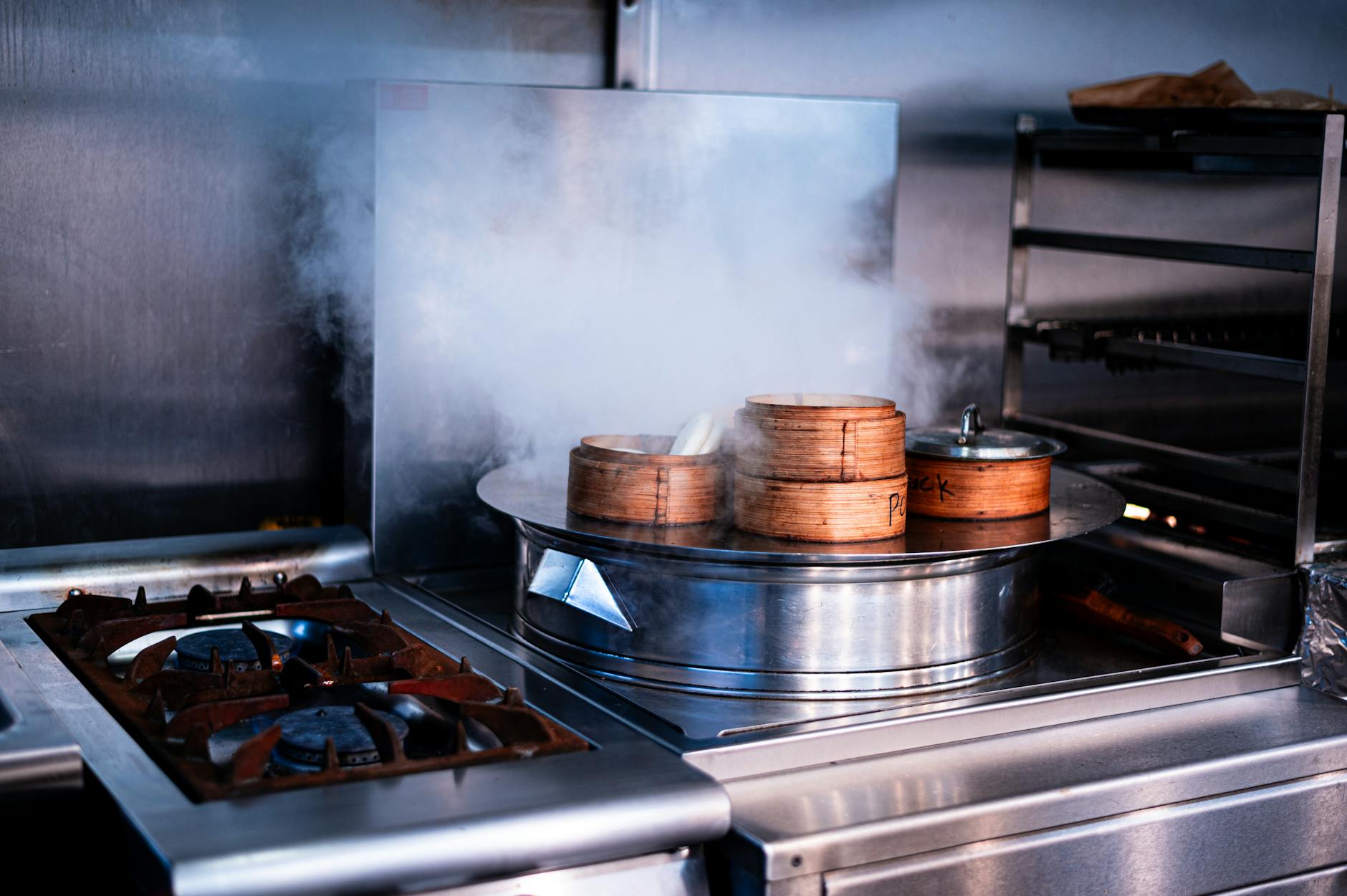
Yum Cha: The Cantonese Tea and Dim Sum Ritual Explained

My friend’s grandmother in Hong Kong taught me a lesson I still remember. She poured boiling water over a clay teapot, then dumped it out immediately. When I asked why waste good tea, she just smiled. “That’s not waste—you’re waking up the leaves.” That tiny moment flipped my whole understanding of yum cha. It’s not just eating dim sum; it’s about tea and food working together, about technique, about slowing down.
What Yum Cha Actually Means and Why Timing Matters
“Yum cha” means “drink tea,” but it’s really a morning or early afternoon ritual in Cantonese culture. You’ll spot it in Hong Kong, Guangzhou, and cities with big Cantonese communities—Sydney, Toronto, San Francisco. The 10 AM to 2 PM window isn’t random. That’s when your body actually wants a break, when small bites beat a heavy meal.
There’s method to it. Tea comes first, steeping while you check the menu or watch for carts. It preps your palate. Then plates arrive slowly—one or two at a time. No rushing. Mrs. Wong, who ran a Mong Kok yum cha spot, put it best: “Wolfing down dim sum? You’re doing it wrong.” The point is tasting each bite, sipping tea, actually noticing flavors.
Choosing the Right Tea for Your Dim Sum
Tea makes or breaks yum cha. Most go for pu-erh—that earthy, slightly sweet fermented tea from Yunnan. It cuts through rich foods like char siu bao or oily har gow. Chrysanthemum tea? Lighter, floral, better with delicate shumai or chicken feet. Oolong’s the middle ground—complex but not overpowering.
Brewing’s key. Water at 95-100°C, always rinse first: pour hot water over leaves for 5-10 seconds, then toss it. This cleans the leaves and wakes them up. Brew 3-5 minutes depending on type. Restaurants keep refilling your pot. At home, good pu-erh or oolong leaves can brew 4-5 times.
Building Your Own Yum Cha Experience at Home
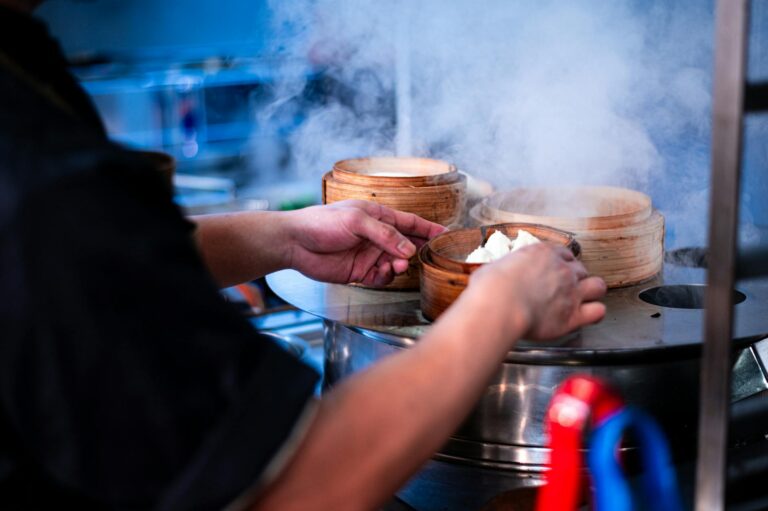
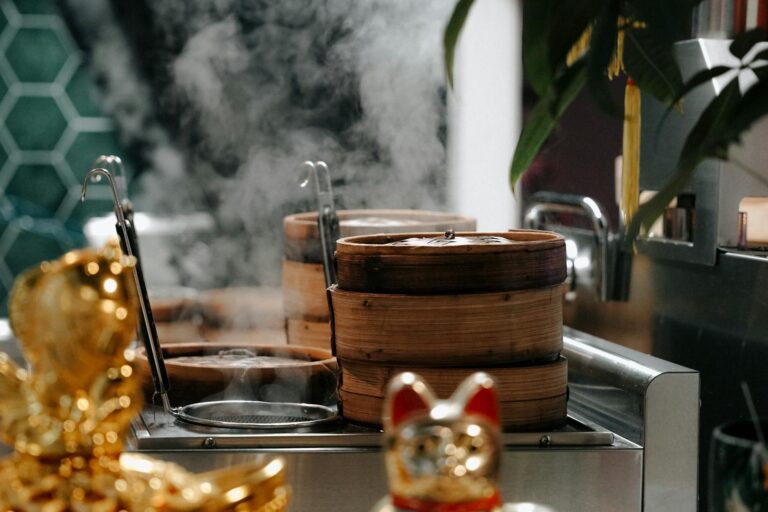
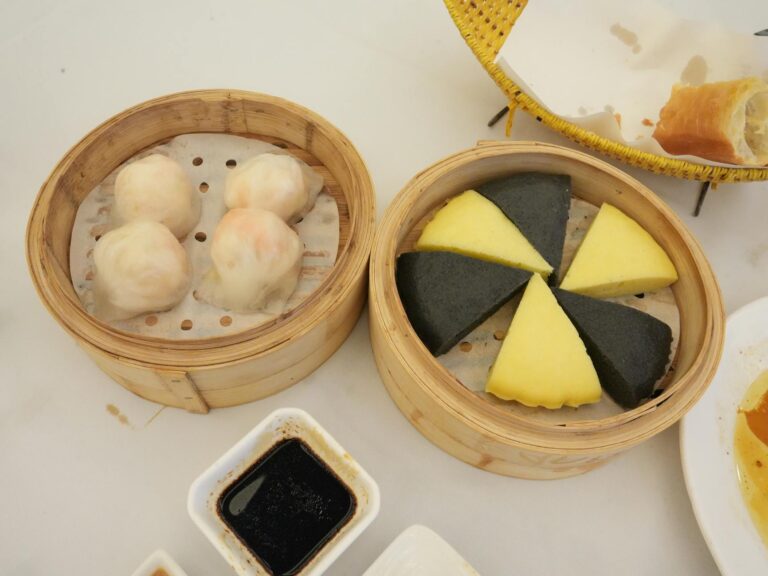
No cart needed. Grab frozen dim sum from an Asian market—har gow, shumai, char siu bao work fine. Steam them 6-8 minutes in a bamboo steamer. While they cook, prep your tea. Plate everything simply—three or four pieces per plate max.
The trick? Space. Eat a dumpling. Sip tea. Pause. Repeat. Talk if you’re with someone. Let flavors settle. This is what separates yum cha from takeout. It’s about rhythm. I do this most Sundays now—basic frozen dumplings, decent tea, no rush. Best way to ease into the week.
Want the real deal? Find a dim sum spot with cart service. Watch how regulars order, which teas they pick, how they pace themselves. You’ll learn more from that than any cookbook.