Tokyo
Tokyo Bangkok
 Seoul
Seoul Singapore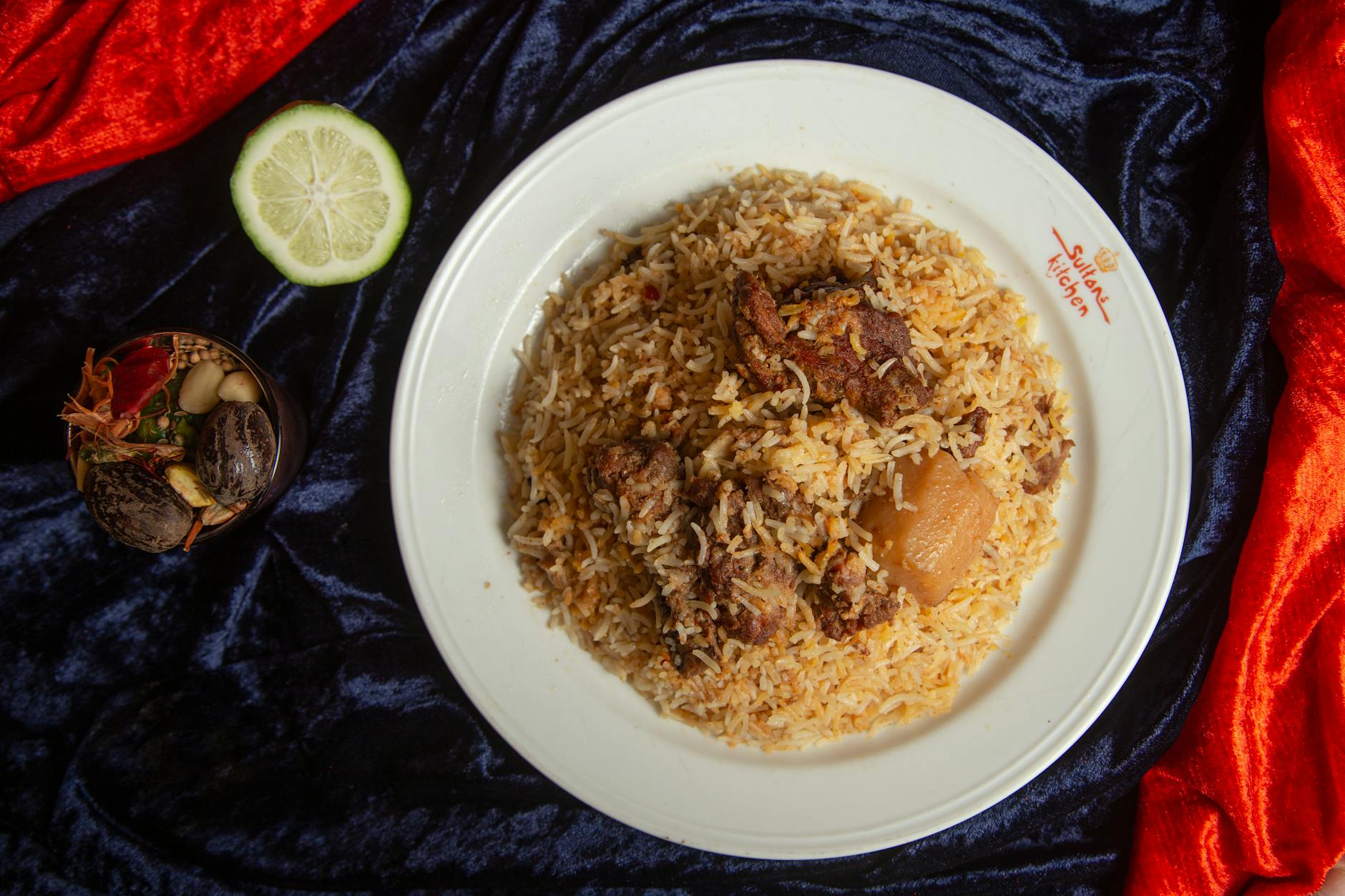
Biryani vs Persian Pilaf: The Dum vs Steam Showdown

The scent hits hard in Hyderabad’s Charminar backstreets—not soft rice steam, but something bolder. Biryani fumes burst from sealed clay pots after forty minutes of pressure. Watch a cook crack one open with a metal rod, and the aroma detonates like a tiny explosion. That’s dum cooking. Now picture a teahouse in Isfahan six months earlier: an old man tending his tahdig pot with bomb-squad focus. The pilaf steamed gently, no pressure. Two dishes. Two ways to talk to heat and time.
Dum Pukht: Biryani’s Sealed Pressure Chamber
Dum pukht means “steam-cooked,” and it’s brutally literal. In Lucknow, vendors layer par-cooked basmati with marinated meat, fried onions, and whole spices—cardamom, cinnamon, bay leaves—then seal the pot with dough. No peeking. No stirring. It becomes a natural pressure cooker, forcing rice to soak up meat juices and spice oils at once. The bottom layer crisps into golden tahdig (though Iranians coined the term). The result is intense. Each grain tastes like it fought for survival. Meat turns gelatinous; rice stains from the broth. Controlled chaos. Break the seal early, and it’s game over.
Steaming: Persian Pilaf’s Gentle Hand
Persian pilaf is dum’s calm cousin. In Tehran’s Grand Bazaar, a rice seller explained his method like a meditation guide. Basmati gets parboiled, then layered with butter, saffron, and aromatics—barberries, pistachios, maybe onions. The lid stays loose. Heat stays moderate. Steam circulates but escapes freely. Adjustments happen mid-cook—a butter splash, a heat tweak. The result is clean. Grains stay separate, almost jewel-like. Tahdig forms by design, not accident. This isn’t pressure cooking. It’s conducting.
What These Methods Actually Change
Technique shapes flavor more than ingredients ever could. Dum biryani merges everything—rice doesn’t sit beside meat and spices; it becomes them. Boundaries vanish. Persian pilaf keeps flavors distinct. Rice stays rice. Saffron stays saffron. They harmonize but don’t fuse. A Kolkata biryani vendor swore his grandma could ID a pot by one grain—that’s dum’s signature. In Shiraz, a pilaf maker said his job was preventing any flavor from dominating. Steam’s philosophy. Neither is better. They answer different cravings. Want depth? Go dum. Want clarity? Choose steam.
Next time you’re deciding, ask: do you want a dish where everything melts together? Pick biryani. Or flavors that stand apart? Go pilaf. After a hundred meals across both regions, the choice still isn’t obvious. That’s the point.