Tokyo
Tokyo Bangkok
 Seoul
Seoul Singapore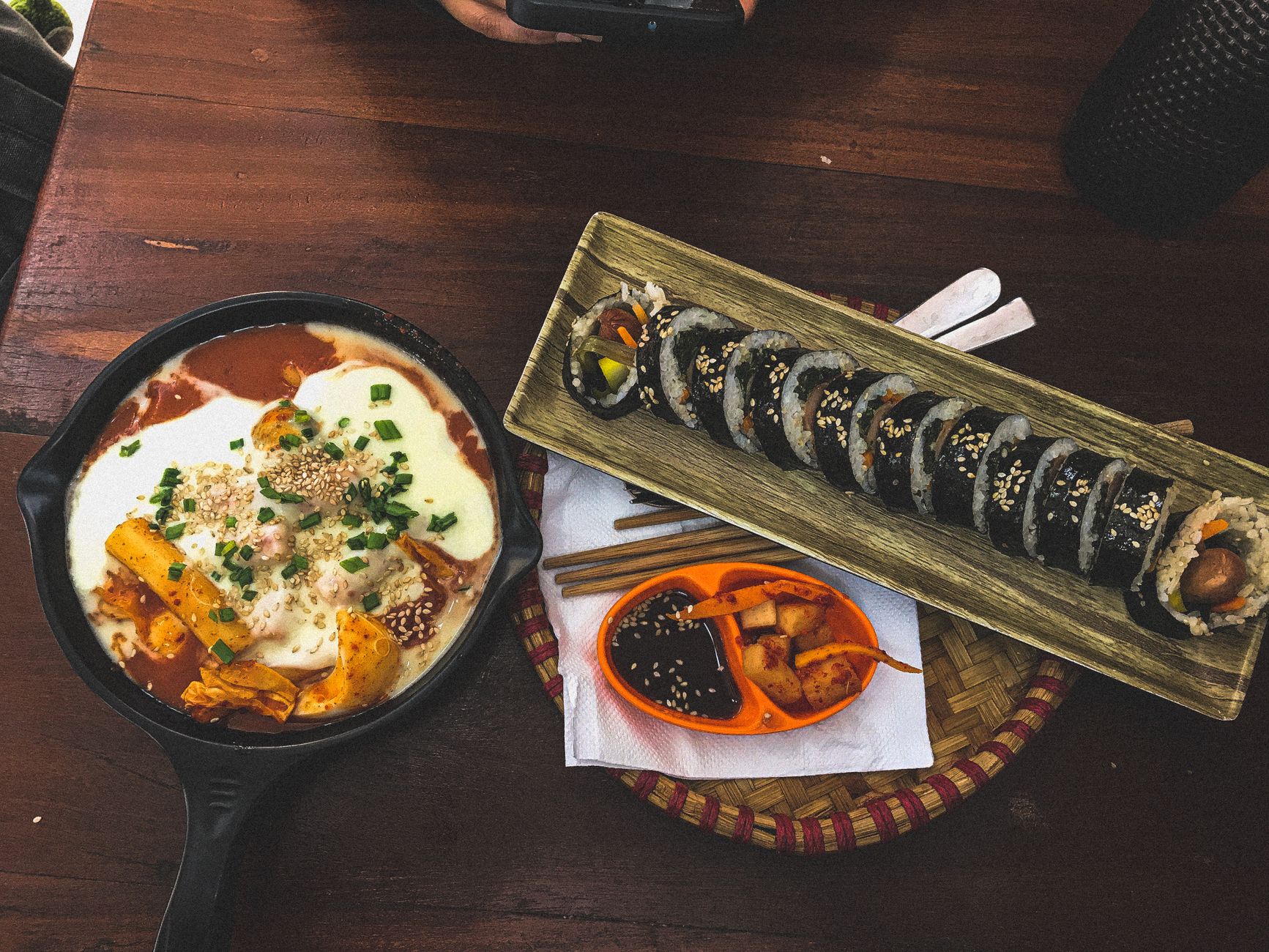
Korean Spicy Dishes Ranked by Heat: Tteokbokki to Buldak
Seoul’s ajummas know the drill—late-night tteokbokki isn’t a treat, it’s fuel. No theatrics, just heat that works. Korean spice isn’t a dare; it’s what hits right when you’re tired and cold. This list skips the Instagram stuff for what people actually eat when no one’s looking.
Tteokbokki: The Gateway Heat (Mild to Medium)
Tteokbokki is Korean spice 101. You’ll spot it everywhere—street tents, convenience stores, even school lunches. Chewy rice cakes swim in a gochujang sauce that clings without burning. Myeongdong and Gangnam vendors sell it round the clock because it’s cheap, shareable, and balanced for all heat levels.
Authentic versions mix gochujang with gochugaru, but the heat stays manageable—around 2,000-3,000 Scoville. Fish cakes, boiled eggs, and sometimes ramyeon noodles bulk it up. The sauce brings sweetness from fermentation, umami from anchovy broth, and just enough chili to clear your sinuses. Locals toss in cheese (trust them) or extra veggies. Here’s the lesson: Korean heat isn’t punishment. It’s flavor with a kick.
Rabokki: The Escalation (Medium-Hot)
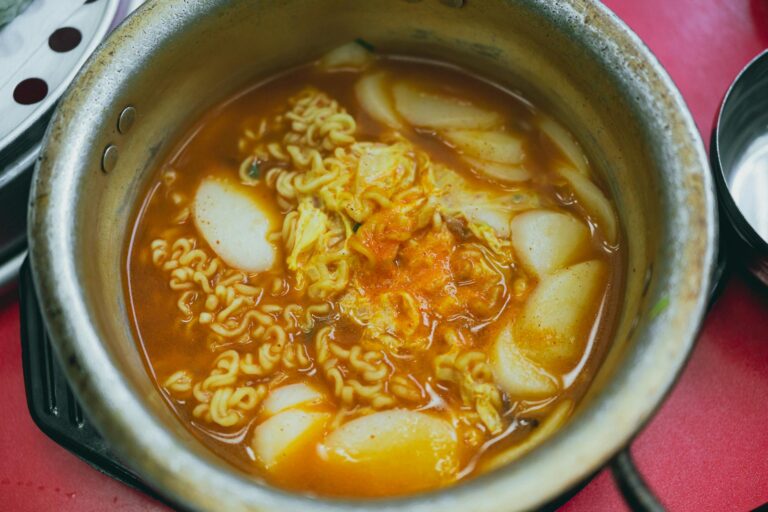
Rabokki is tteokbokki’s bolder cousin—ramyeon noodles soaked in that same fiery sauce. It’s for when rice cakes alone won’t cut it. Hongdae and Itaewon pojangmacha sling this to students and night owls who need cheap, filling meals.
The sauce thickens, the heat climbs. Some vendors keep it at 4,000 Scoville; others crank it to 6,000. Noodles add chew, while the broth turns almost creamy from starch. Regulars dump in cheese, spam, or instant coffee (weirdly works). Rabokki makes people pause. They sweat. They savor. This isn’t mindless snacking anymore.
Buldak: The Commitment (Very Hot to Extreme)
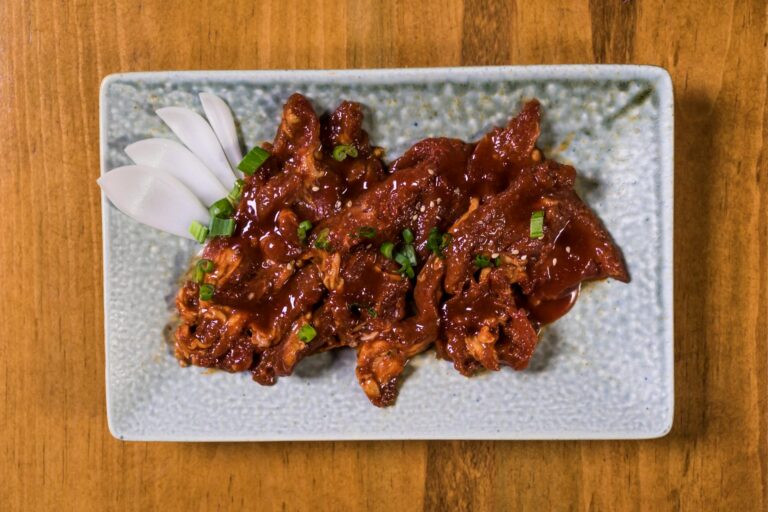
Buldak means business. Marinated chicken gets blasted with gochugaru, gochujang, and chili oil, hitting 8,000-12,000+ Scoville. Gangnam spots and student hangouts serve it, but you don’t order this casually.
The sauce glues itself to the chicken. Rice, pickles, and lettuce wraps help tame the fire. The heat builds slow, then camps in your throat. Koreans eat this to celebrate, to test limits, or with friends who get it. Some places go nuclear with ghost peppers (15,000+ Scoville)—locals know these are endurance tests, not flavor moves.
Start with tteokbokki to learn the ropes. Try rabokki when you’re ready for more. Save buldak for days you’re truly prepared. This isn’t a badge of honor—it’s about figuring out what your taste buds actually like.