Tokyo
Tokyo Bangkok
 Seoul
Seoul Singapore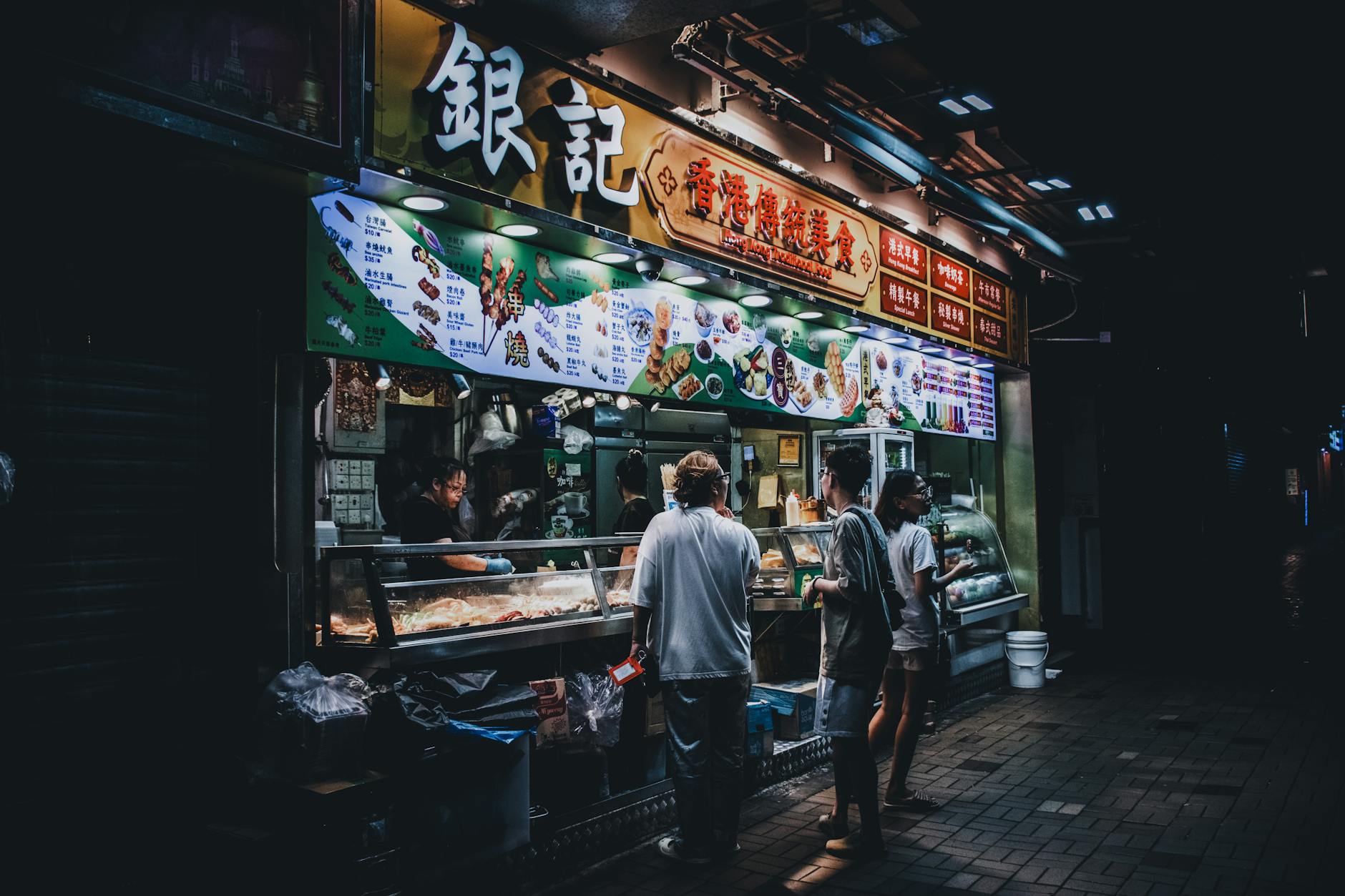
Hong Kong Cha Chaan Teng: Why Milk Tea Beats Specialty Coffee

Forget everything you’ve learned about café culture. The future isn’t in single-origin espresso or third-wave anything—it’s in a humble Hong Kong cha chaan teng, where a glass of milk tea costs less than a specialty latte and tastes infinitely more interesting. These casual cafés have cracked a code that Western coffee shops are still fumbling toward: how to build a complete food and beverage experience that doesn’t require pretension or premium pricing.
The Milk Tea That Changed Everything
Hong Kong milk tea—or cha—isn’t just strong black tea mixed with condensed milk. The preparation is deliberate, almost ritualistic. Tea leaves steep in boiling water for precise minutes, then get poured through a cloth strainer held high above the cup, aerating the liquid as it falls. This technique, called “pulling,” creates a silky mouthfeel and ensures even extraction. The condensed milk isn’t an afterthought; it’s calibrated to cut through tannins while adding body that espresso can’t match. Places like Tsui Wah and Pacific Coffee Company have built empires on this formula. Order it hot (cha) or cold (yin yang when mixed with coffee), but understand you’re drinking something more complex than it appears. The best versions have a slight bitterness underneath the sweetness—a tension that keeps you coming back.
Egg Tarts and the Art of Restraint
The Portuguese egg tart arrived in Hong Kong via Macau in the 17th century, but locals transformed it into something distinctly their own. The pastry shell—thin, flaky, slightly caramelized—cradles a custard filling that’s silkier and less sweet than its Lisbon ancestor. Tai Cheong Bakery in Central has perfected this balance over decades. The filling should wobble slightly when warm, indicating the eggs haven’t been overcooked. This restraint in sweetness matters. While Western pastries often overwhelm with sugar, the egg tart lets you taste the eggs themselves, the butter in the crust, the subtle vanilla. Pair one with milk tea and you understand why cha chaan tengs work: the slight bitterness of the tea complements the custard’s richness without either element dominating. It’s a lesson in proportion that most café operators miss.
Buttered Toast as Humble Perfection
Don’t overlook the toast. A proper cha chaan teng serves thick-cut white bread, griddled until the exterior crisps while the interior stays tender, then slathered with salted butter and condensed milk. Sometimes it arrives with peanut butter. The combination sounds simple because it is—and therein lies its genius. The contrast between crispy and soft, sweet and salty, creates satisfaction without complexity. This is comfort food stripped to essentials. Places like Cha Chaan Teng in Mong Kok have built loyal followings partly on their toast alone. The bread quality matters; it must be sturdy enough to hold butter without collapsing, but tender enough to eat without resistance. The condensed milk adds sweetness without the grittiness of granulated sugar.
The real lesson from Hong Kong’s cha chaan tengs isn’t about individual dishes—it’s about ecosystem. These spaces function as neighborhood anchors where construction workers sit beside office staff, where a $3 meal with tea feels complete. They’ve solved the problem that plagues Western cafés: how to justify a visit without forcing customers to choose between expensive specialty drinks and mediocre food. In a cha chaan teng, everything costs little, tastes good, and works together. If you’re in Hong Kong, skip the Instagram-famous spots and find a neighborhood cha chaan teng instead. Order milk tea, an egg tart, and buttered toast. Sit for an hour. You’ll understand why this model endures.