Tokyo
Tokyo Bangkok
 Seoul
Seoul Singapore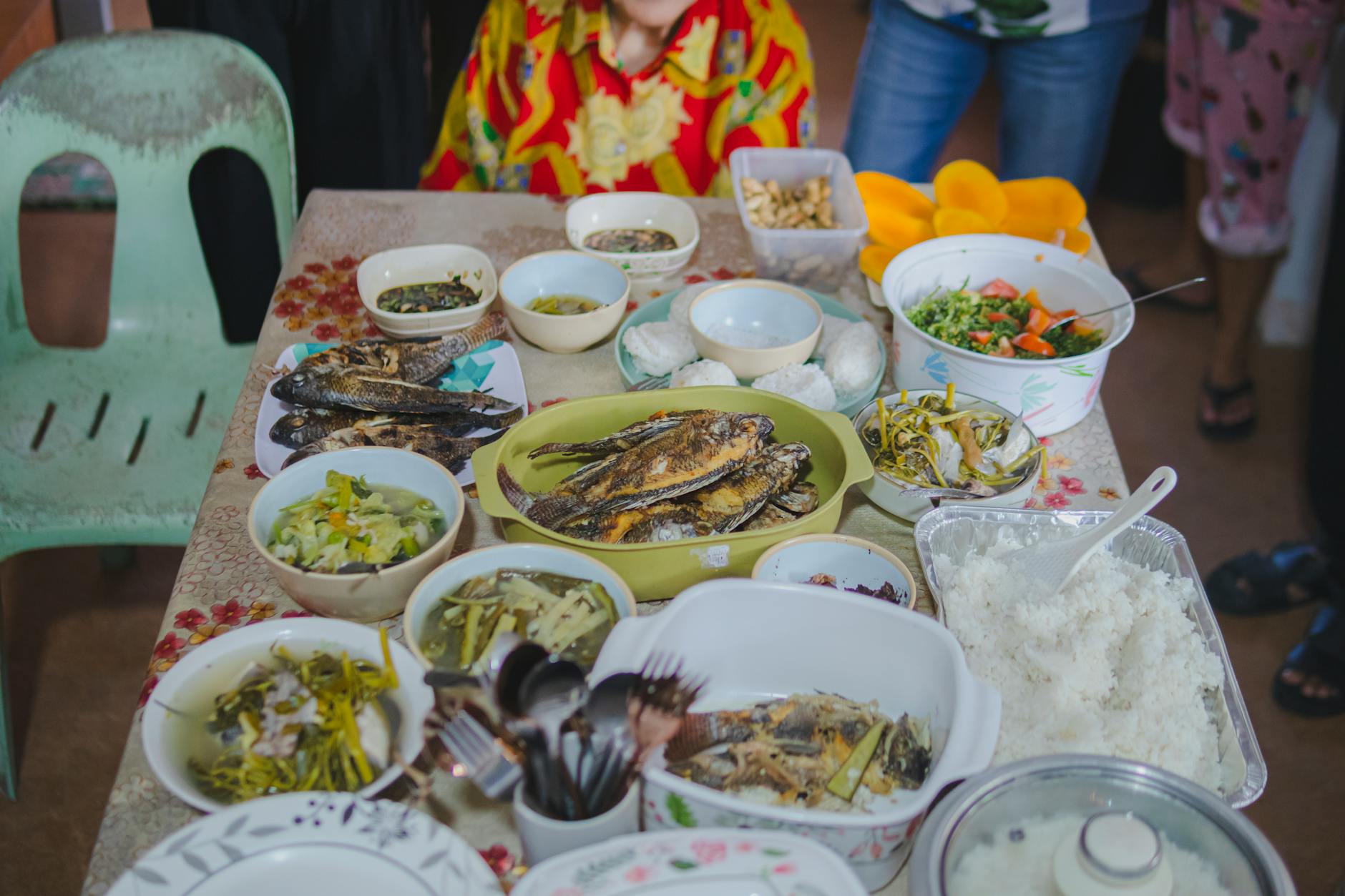
Filipino Fiesta Food: Lechon, Kare-Kare & Communal Feasts
When Spanish colonizers showed up in the Philippines during the 1500s, they introduced pigs—accidentally sparking one of Asia’s most beloved dishes. Lechon, that golden-crisp roasted pig at every Filipino party, wasn’t even a thing before colonization. Now? It’s so deeply Filipino that nobody questions its origins. That’s the magic of fiesta food: borrowed ingredients, local twists, and meals built for crowds who love a good show.
Lechon: When One Pig Feeds an Entire Barrio
This isn’t just pork. It’s a full-blown event. In places like Cebu and Laguna, families start at sunrise, slowly turning a pig over coals for half a day. The skin shatters. The meat stays juicy, perfumed with whatever’s stuffed inside—maybe lemongrass, bay leaves, or green papaya.
What makes lechon fiesta royalty? It feeds armies. One pig = 40-60 people. Perfect for reunions, town parties, or any excuse to gather. The lechonero (roast master) becomes a local legend, judged on that crunch-to-tenderness ratio. Some Manila vendors have fans spanning generations. And let’s be real: back in the day, raising one pig together beat raising chickens per family.
Kare-Kare: The Vegetable Stew That Demands Participation
If lechon’s the star, kare-kare is the backstage crew. Peanut sauce hugs oxtail or beef, plus eggplant, string beans, and bok choy. Spanish-era origins, maybe with Indonesian roots, but Filipinos made it their own.
Here’s the thing—kare-kare turns cooking into a team sport. One person chops. Another grinds peanuts. Someone stirs. Luzon’s version leans sweeter; up north in Ilocos, they tweak the veggies and spice. Adaptable. Collaborative. Exactly how fiesta food should be.
The Philosophy Behind Fiesta Feasting
Fiestas aren’t just meals. They’re about feeding everyone, no questions asked. Catholic saint days gave the calendar, but the feast mentality? Pure Filipino. Hosts cook mountains of food. Neighbors drop by. Leftovers go home with guests.
That’s why lechon and kare-kare rule. One’s the showpiece. The other’s the stretchable, shareable sidekick. Together, they’re how communities eat: generously, smartly, with everyone pitching in.
Want to throw a fiesta-style spread? Go big with lechon if you’ve got the time (and a pig). Short on resources? Kare-kare’s your friend—forgiving, flavorful, better with many hands. The point isn’t perfection. It’s the crowd around the table.