Tokyo
Tokyo Bangkok
 Seoul
Seoul Singapore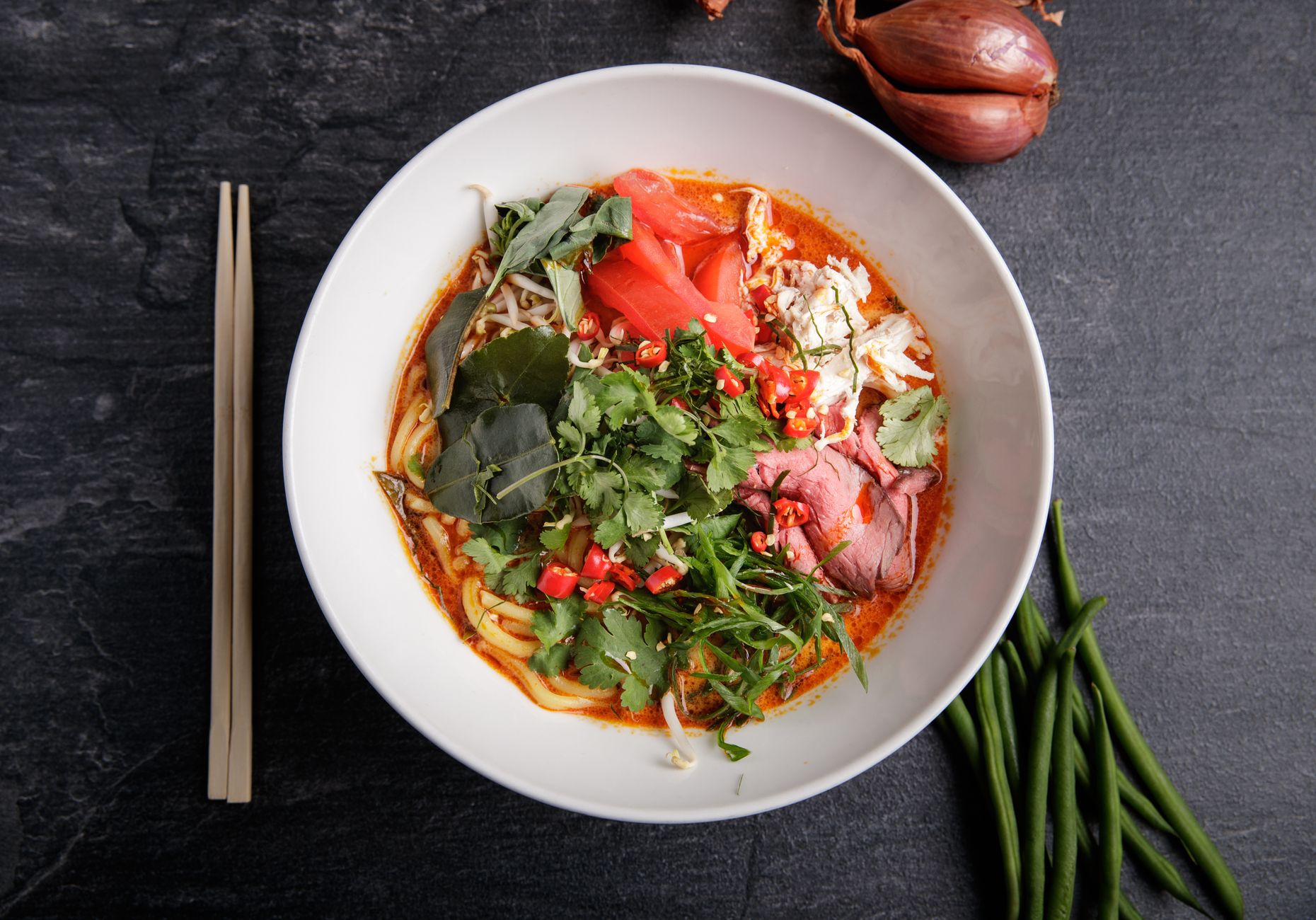
Asam Laksa: Malaysia’s Best Argument Against Fine Dining
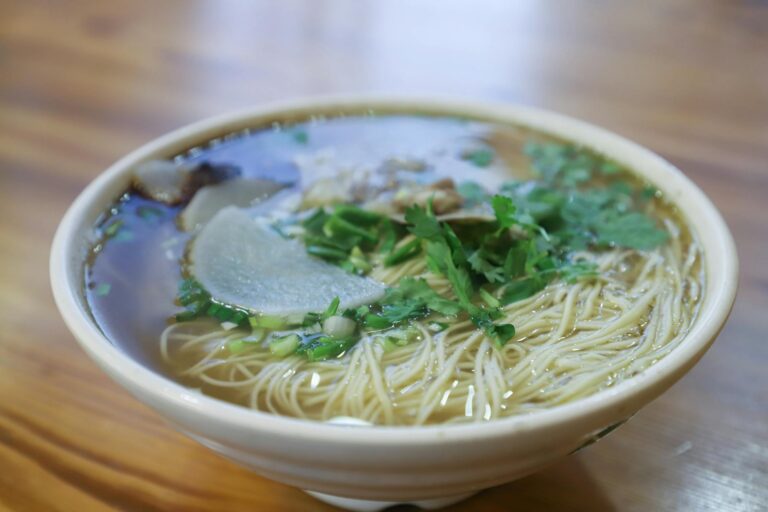
Asam laksa ruins other noodle soups for you. Not because it’s fancy or rare—but because after one real bowl (the $2.50 kind from a Penang market stall that’s been simmering since dawn), everything else tastes flat. That missing thing? Sour, spicy, funky. Non-negotiable.
This Isn’t Just Sour Noodles
Asam laksa was invented in Penang, where Malay, Chinese, and Indian flavors collided. The broth is tamarind-based—”asam” means tamarind—but calling it “sour” undersells it. A proper bowl starts with laksa paste: dried chilies, shallots, garlic, galangal, and funky belacan shrimp paste pounded into umami paste. Fish stock deepens it. Tamarind sharpens without overpowering.
Thick yellow wheat noodles or rice noodles hold up to the broth. Toppings aren’t garnish—they’re essential. Cucumber, pineapple, onion, mint, egg. The pineapple isn’t quirky; it’s sugar to balance the sour punch. Bad versions are one-note acid bombs. Good ones? A five-flavor argument that somehow ends in agreement.
Penang or Bust. Georgetown Specifically.
You’ll find asam laksa elsewhere in Malaysia, but Penang—Georgetown’s old streets—is its home. The best come from market stalls, not restaurants. Stalls care about regulars. Restaurants care about menus.
Hit Lebuh Chulia early. By 7 a.m., stalls are rolling. Follow the locals, not guidebooks. Chulia Street Asam Laksa (40 years in business) nails the balance—enough sour to wake you up, enough heat to notice, but nothing that murders your taste buds. Clear broth, chewy noodles. About 6 ringgit ($1.30).
Stuck in Kuala Lumpur? Restoran Asam Laksa Penang in Petaling Jaya does decent work. Not the same as a Georgetown stall at sunrise, but they use real belacan. No shortcuts.
The Dirty Secret: It’s Dying
Real asam laksa—the kind made by generations—is fading. Young Malaysians aren’t taking over family stalls. The pay’s bad. The days start in darkness. Soon, you might only find weak tourist versions.
This matters. Asam laksa is street food with more skill than most fancy plates. Balancing tamarind, paste, and fish stock takes years of tasting. No YouTube tutorial fixes bad broth.
Also: it’s not tidy. You’ll wear some broth. Tamarind leaves marks. Belacan smells like the ocean at low tide. If that bothers you, stick to hotel buffets.
Do This Now
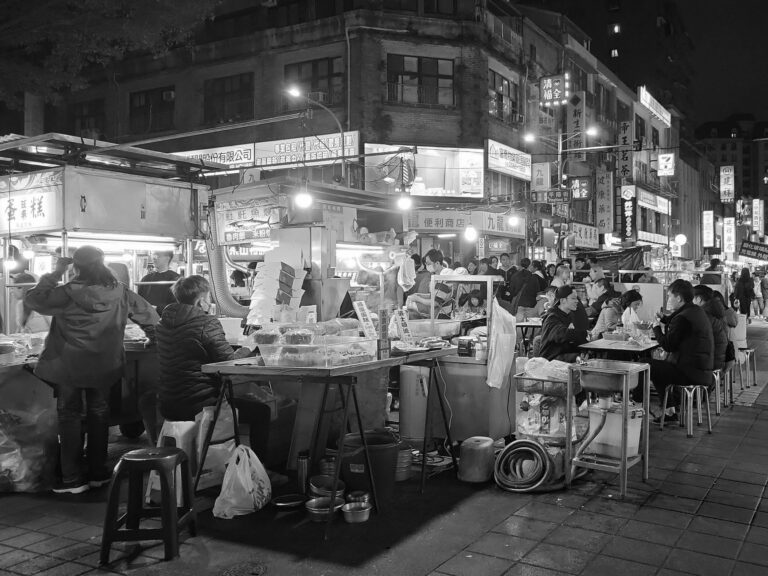
Go to Georgetown. Hit Chulia Street before 9 a.m. Join the longest local line. Eat standing or on a plastic stool. Spend pocket change. That $2 bowl out-flavors most $60 restaurant dishes. Not exaggerating. Just facts.