Tokyo
Tokyo Bangkok
 Seoul
Seoul Singapore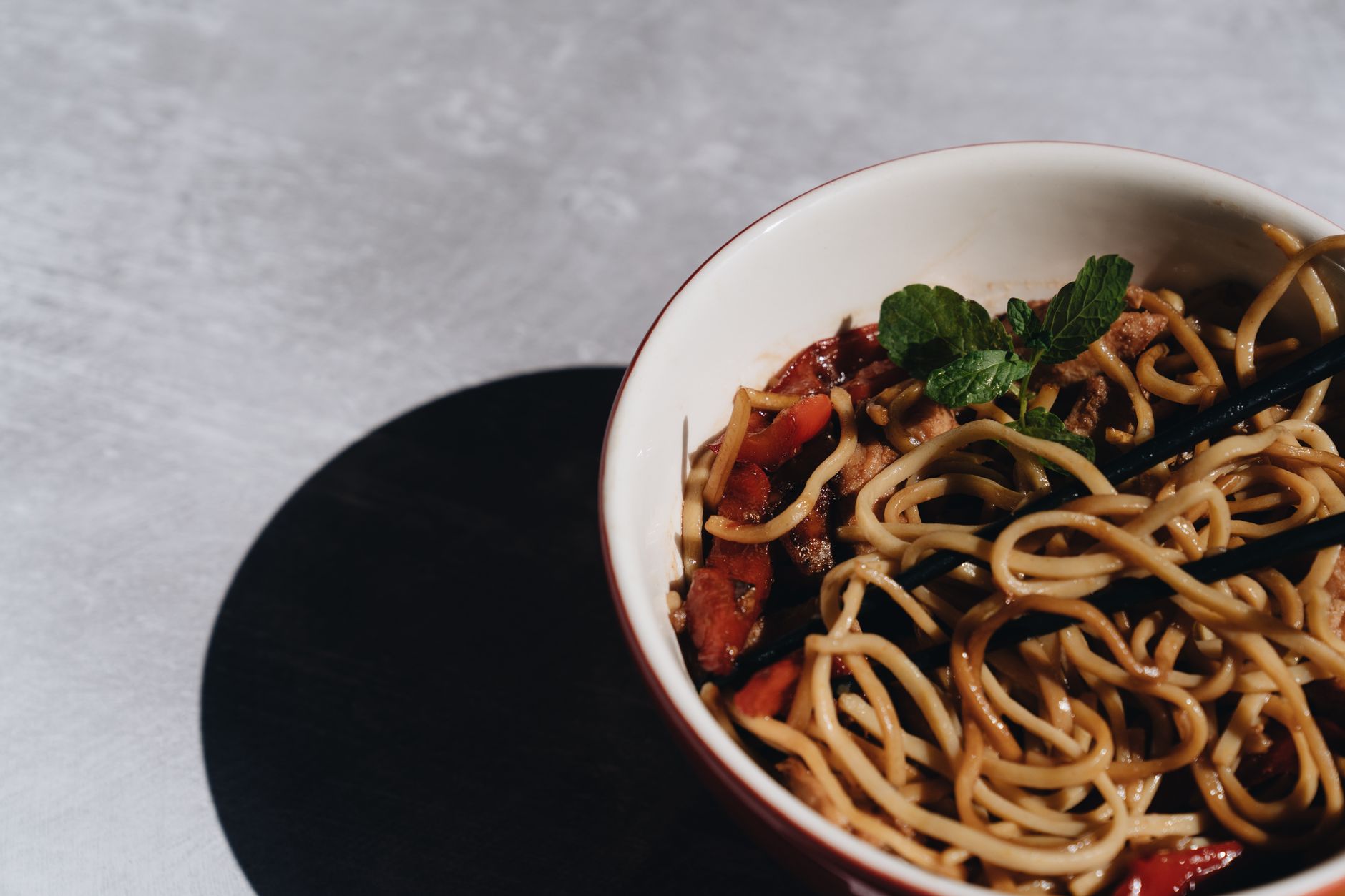
Boat Noodles: Why This Thai Dish Is Worth Knowing
At Bangkok’s Khlong Lat Mayom floating market, a vendor yanks a basket of rice noodles from boiling water, shakes them once, and dumps them into a bowl. No measuring. No hesitation. The noodles sink into pork broth that’s been simmering for hours. Crispy pork belly, offal, and herbs land on top—done in seconds. That’s boat noodles: fast, no-nonsense, and packed with flavor. It’s how Thai cooking works when no one’s watching.
Where Boat Noodles Come From (And Why Location Matters)
Boat noodles were born in the khlongs of central Thailand—Bangkok, Ratchaburi, Nakhon Pathom. Vendors cooked from boats, serving workers and travelers on the move. The name says it all. When roads replaced canals, the dish stuck to its roots: quick, hearty, and meant to be eaten fast.
What sets boat noodles apart? Location. Bangkok’s version uses pork broth with a sweet-savory punch. Ratchaburi goes heavier on offal and spices. This isn’t just geography. The dish was built for labor—protein, carbs, and big flavor in one small bowl.
The Ingredients That Make It Work
Start with real pork broth. Bones, neck, or shoulder simmered with garlic, coriander root, and turmeric for at least four hours. It should taste clean, not greasy. While that cooks, fry pork belly until crisp, prep offal (liver, kidney, intestines), and keep rice noodles ready.
Assembly is key. A spoon of fermented bean paste, soy sauce, fish sauce, maybe a pinch of sugar. Top with crispy pork, offal, Thai basil, cilantro, and chilies. Some add a drizzle of pork fat. Nothing’s extra here. The paste adds depth. The pork gives crunch. Herbs cut through the richness.
What Boat Noodles Reveal About Thai Cooking
Boat noodles are Thai cooking stripped bare. No waste—offal shines. No fuss—just a cheap, filling meal. But don’t mistake simplicity for laziness. That broth takes skill. The balance of salty, sweet, and herbal? Calculated. Every bite has a job.
It’s the same logic behind som tam or a good curry. Respect ingredients. Balance flavors. Keep it practical. Boat noodles endure because they’re useful, not fashionable. They solve a problem: how to eat well when time’s short.
Want to try making them? Start with good broth and decent pork. Don’t skip the offal—it’s the soul of the dish. Taste as you go. That Bangkok vendor isn’t measuring. She’s working from muscle memory. You can too.