Tokyo
Tokyo Bangkok
 Seoul
Seoul Singapore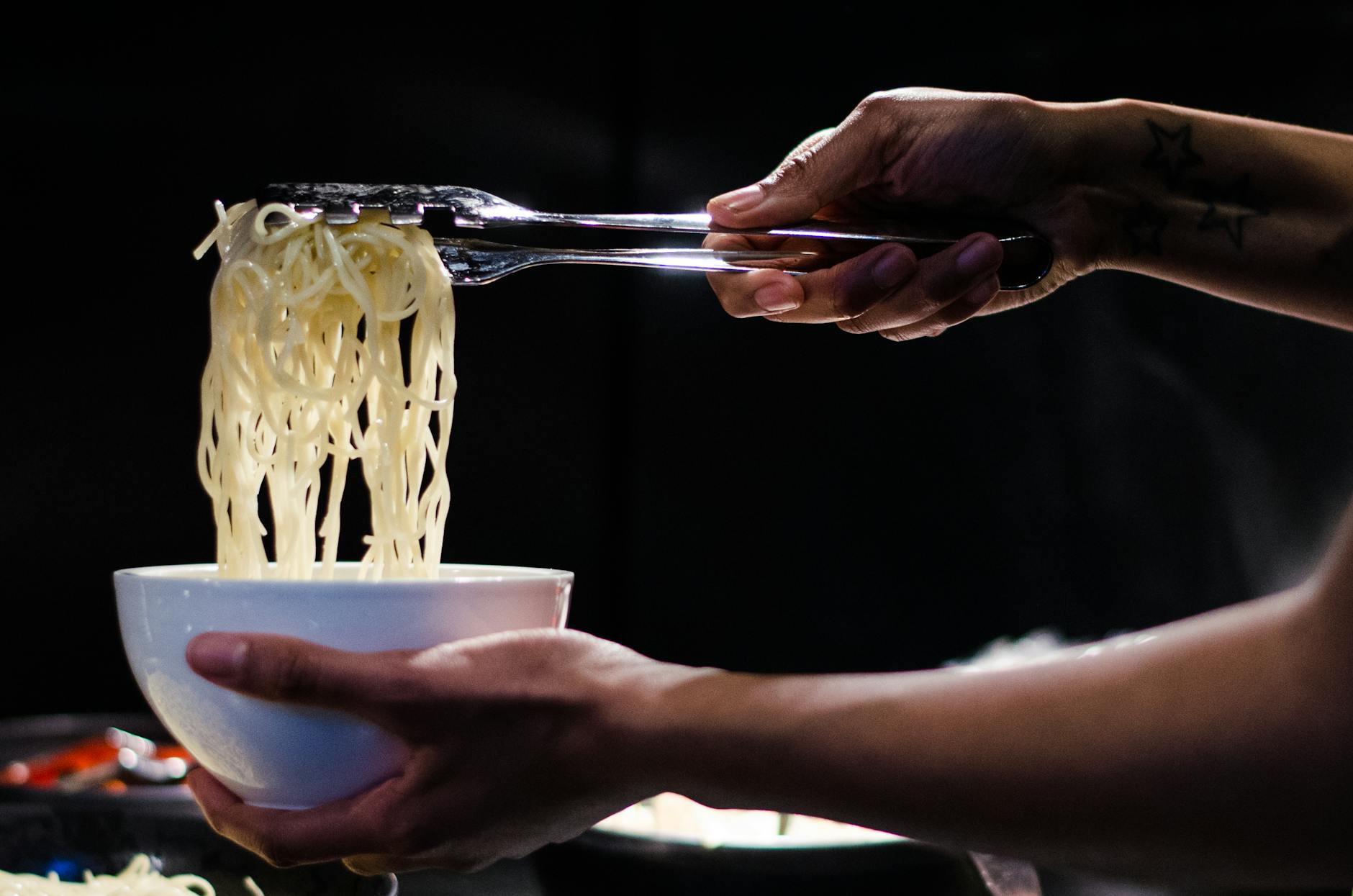
Make Jajangmyeon at Home: Korean Noodle Recipe
Jajangmyeon isn’t some ancient relic – it’s actually a modern dish with working-class roots. Born in 1920s Incheon port kitchens, this Korean-Chinese creation was about feeding hungry laborers, not preserving tradition. Yet food media often treats it like some sacred ritual. Truth is? Six ingredients and half an hour are all you need for legit jajangmyeon at home. The dish rewards technique more than fancy ingredients.
Understanding Jajang: The Sauce That Changed Korean Street Food
That iconic black sauce? It came with Chinese dock workers in Incheon. Korean cooks made it their own by tweaking the bean paste and ratios. The magic combo: chunjang (black bean paste), caramelized onions, meat, and potato starch. What separates good jajang from mediocre? Browning those onions right. Around Gangnam Station, shops spend 15 minutes on this step alone. The onions need to turn golden-amber before the paste goes in. No shortcuts. The starch slurry gives that signature clingy texture – skip it and you’ve got a completely different dish.
Building Your Jajang Base: Technique Over Ingredient Hunting
Grab 300g ground pork (or beef, depending where you are). Heat 2 tbsp oil in a wok on medium-high. Toss in diced onion (about one medium) and let it sit for 3 minutes – no stirring. This is where flavor builds. Keep cooking for 10 more minutes until golden. Add 3 cloves minced garlic for 1 minute. Now 4 tbsp chunjang, stirring constantly for 2 minutes. Crumble in the pork, cooking until done. Add 1 diced potato and ¼ cup diced carrot. Pour in 1 cup water or broth. Simmer 8 minutes until veggies soften. Mix 2 tbsp potato starch with 3 tbsp cold water, then stir into the sauce – watch it thicken instantly. Finish with 1 tbsp soy sauce and 1 tsp sugar. The sauce should coat the back of a spoon.
Assembly and Serving: Where Simplicity Meets Satisfaction
Cook fresh alkaline noodles (or dried ramen) for 4-5 minutes. Drain well. Pile into bowls and drown in sauce. The real magic happens when you mix – that glossy sauce clinging to every noodle. Top with cucumber slices, maybe some spicy mayo if you’re feeling fancy, and sesame seeds. Some add egg yolk or kimchi. But the sauce is the star. Eat immediately – it doesn’t wait well. This makes enough for two, or one very hungry person with leftovers (add water when reheating).
Homemade jajangmyeon cuts through the hype. This isn’t some precious delicacy – it’s the same hearty meal dockworkers and office workers grab for lunch. Master the onion caramelization and sauce thickness, and you’ll see why this dish has stuck around for 100 years.