Tokyo
Tokyo Bangkok
 Seoul
Seoul Singapore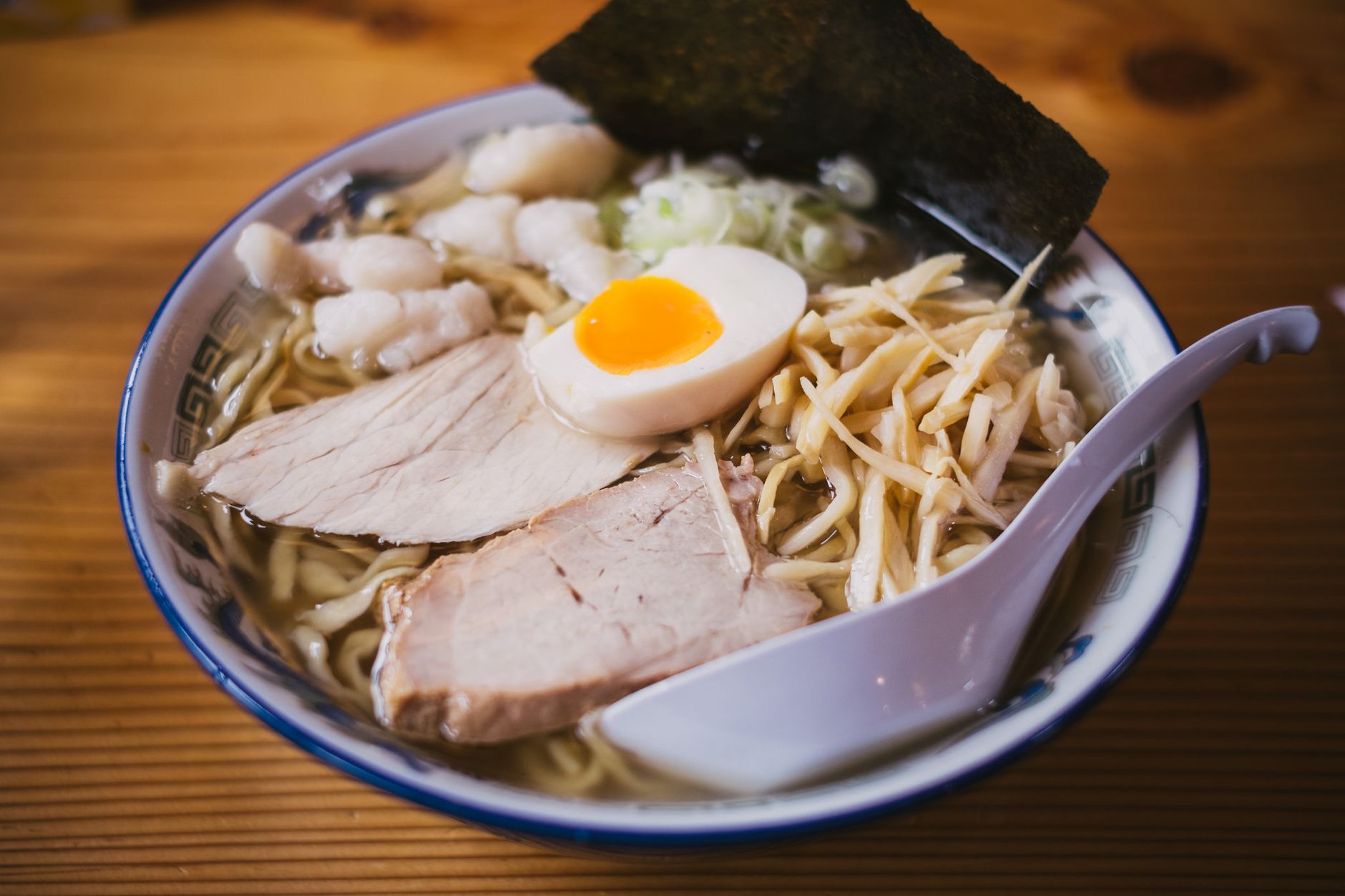
Pho vs Ramen: Beef Broth vs Pork Bone Broths Explained
A pho vendor in Hanoi once showed me why her beef broth put my home attempts to shame. Her secret? Sixteen hours of simmering versus my measly four. That lesson changed everything—pho and ramen aren’t just different soups, they’re built on completely opposite broth philosophies. Same long cook times, wildly different results.
The Beef Broth Foundation: Pho’s Clear, Aromatic Approach
Pho starts with beef bones—knuckle, leg, sometimes brisket—blanched first to remove impurities. Boil briefly, rinse well, then start fresh. The aromatics are simple but deliberate: charred onion, charred ginger, star anise, cinnamon, coriander, cloves. Simmer twelve to twenty-four hours. The goal isn’t richness—it’s clarity. The broth should whisper beef flavor while letting spices sing. A Ho Chi Minh City vendor put it best: pho broth tastes light until you realize how much work went into that delicate balance. The noodles and beef should shine.
The Pork Bone Broth Method: Ramen’s Rich, Creamy Strategy
Ramen broth plays a different game. Pork bones (neck, leg, trotters) often skip blanching—they dive straight into boiling water. This keeps all the good stuff in the pot, creating that milky, thick broth. Twelve to forty-eight hours of simmering breaks down bones completely. A Tokyo chef told me the magic happens when bones release their gelatin—that’s what gives ramen its silky texture. Aromatics take a backseat here. The bones do all the work, sometimes with chicken or seafood for extra depth. This broth should coat your tongue and stick to your ribs.
Why These Differences Matter When You Cook
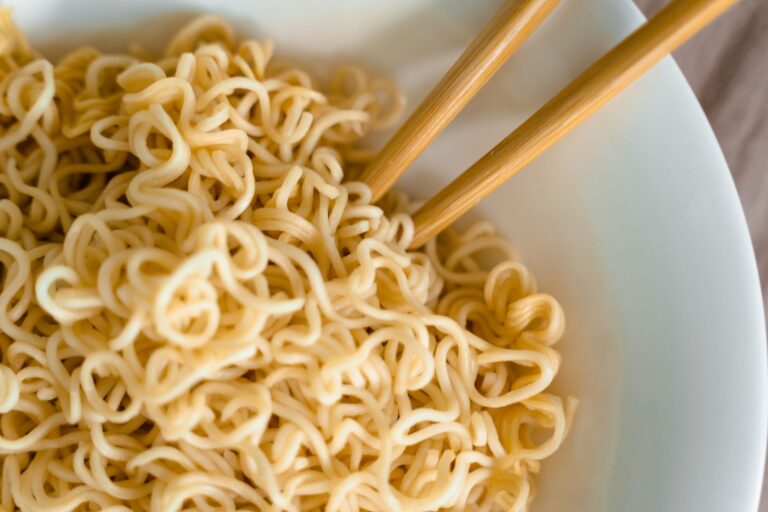
Pho demands restraint—blanch those bones, go easy on salt, don’t overwhelm with spices. The broth’s clarity is everything. Ramen? Go big—skip blanching, let those pork bones go wild, maybe add kombu or shiitake. Noodles matter too: pho’s thin rice noodles vanish in heavy broth, while ramen’s wheat noodles stand up to richness. Ever had pho that felt muddy or ramen that tasted weak? Now you know why. Neither approach is better—just different roads to deliciousness. Match your technique to what your ingredients do best.