Tokyo
Tokyo Bangkok
 Seoul
Seoul Singapore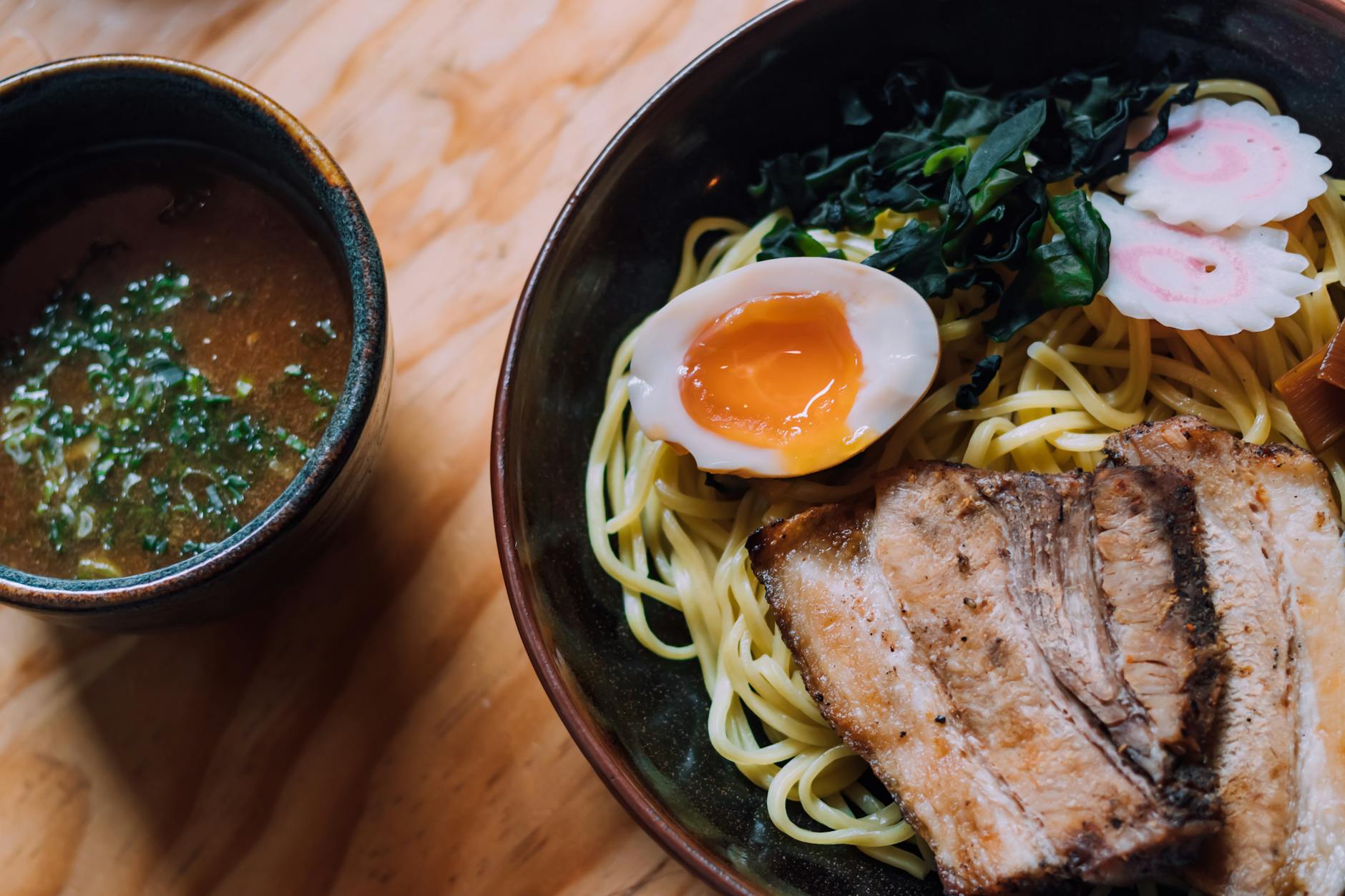
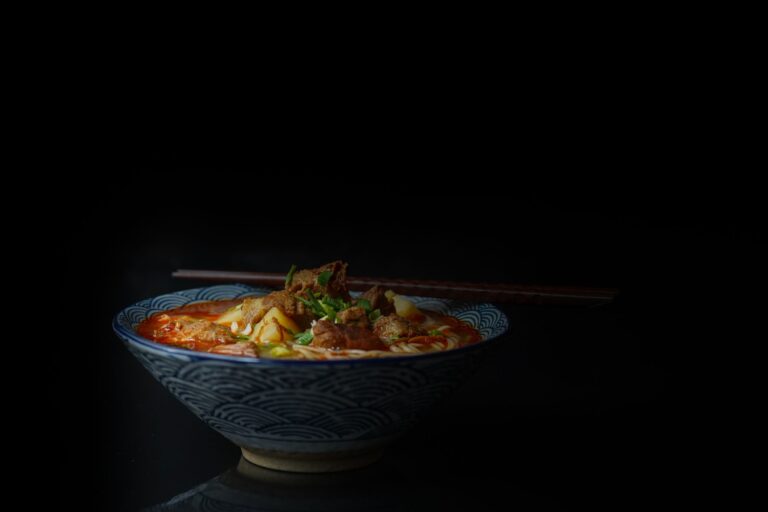
Spicy Tan Tan Ramen Recipe: Make It Like Japan
Most tan tan ramen outside Japan misses the mark—it’s often just chicken broth with a reckless splash of sriracha. That’s not the real deal. Authentic tan tan ramen, Japan’s take on Sichuan flavors, deserves better: a broth where sesame and chili oil work together, technique matters, and ingredients aren’t an afterthought.
Tan Tan Ramen Isn’t About Heat—It’s About Layers
Here’s the thing: a great bowl leads with toasted sesame, then brings the heat. The broth should be creamy and nutty, with chili oil as a backup dancer. Bad versions get it backwards, turning the whole thing into a spice bomb.
A proper broth starts with chicken or pork (skip the vegetable stock—it’s too thin). The magic happens with the tare: tahini or ground sesame, miso, and chili oil spiked with Sichuan peppercorns. That numbing tingle? Essential. It’s not just heat—it’s what makes your mouth wake up. No tingle, no tan tan.
Ippudo in New York gets it right with their Karaka Tan Tan—perfect balance, no salt overload. But honestly? You can do better at home if you put in the work.
The Recipe That Actually Works
Broth first. Simmer 2 pounds of chicken bones or pork neck with 8 cups water, a smashed 2-inch piece of ginger, and 4-5 dried shiitake mushrooms for at least 90 minutes. Strain. Patience pays off here.
For the sesame tare, blend: 4 tablespoons tahini, 2 tablespoons white miso, 1 tablespoon good chili oil (the kind with actual flakes), 1 teaspoon ground Sichuan peppercorns, 1 minced garlic clove, and 2 tablespoons chicken broth. It should be thick but pourable. Taste. Adjust.
Chili oil time: Heat 3 tablespoons neutral oil with 1 tablespoon Sichuan peppercorns, 6-8 dried chilies (seeds out if you’re heat-shy), and 1 teaspoon white sesame seeds for 3 minutes. Strain. This stuff is liquid gold.
Put it together: 1.5 cups hot broth + 3 tablespoons sesame tare, stirred smooth. Add 1 tablespoon chili oil. Top with fresh ramen noodles (cooked 2-3 minutes), ground pork or chicken, bean sprouts, scallions, and a soft-boiled egg. More chili oil. A sprinkle of sesame seeds. Done.
The Detail Nobody Mentions: Your Oil Quality Determines Everything
Bottled chili oil is why homemade tan tan often falls flat. The flavors fade. Make it fresh—it takes 5 minutes and changes everything.
Another tip: Skip the standard tahini. Japanese roasted sesame paste (nerigoma) from an Asian market has deeper flavor. One jar goes a long way.
Here’s the truth: Japan’s best tan tan often comes from neighborhood ramen shops you’ve never heard of. No Instagram hype, just locals eating great noodles for $8. That’s where you find the real thing.
Make this recipe right once, and restaurant versions will disappoint. It’s not hard. It just asks you to care.