Tokyo
Tokyo Bangkok
 Seoul
Seoul Singapore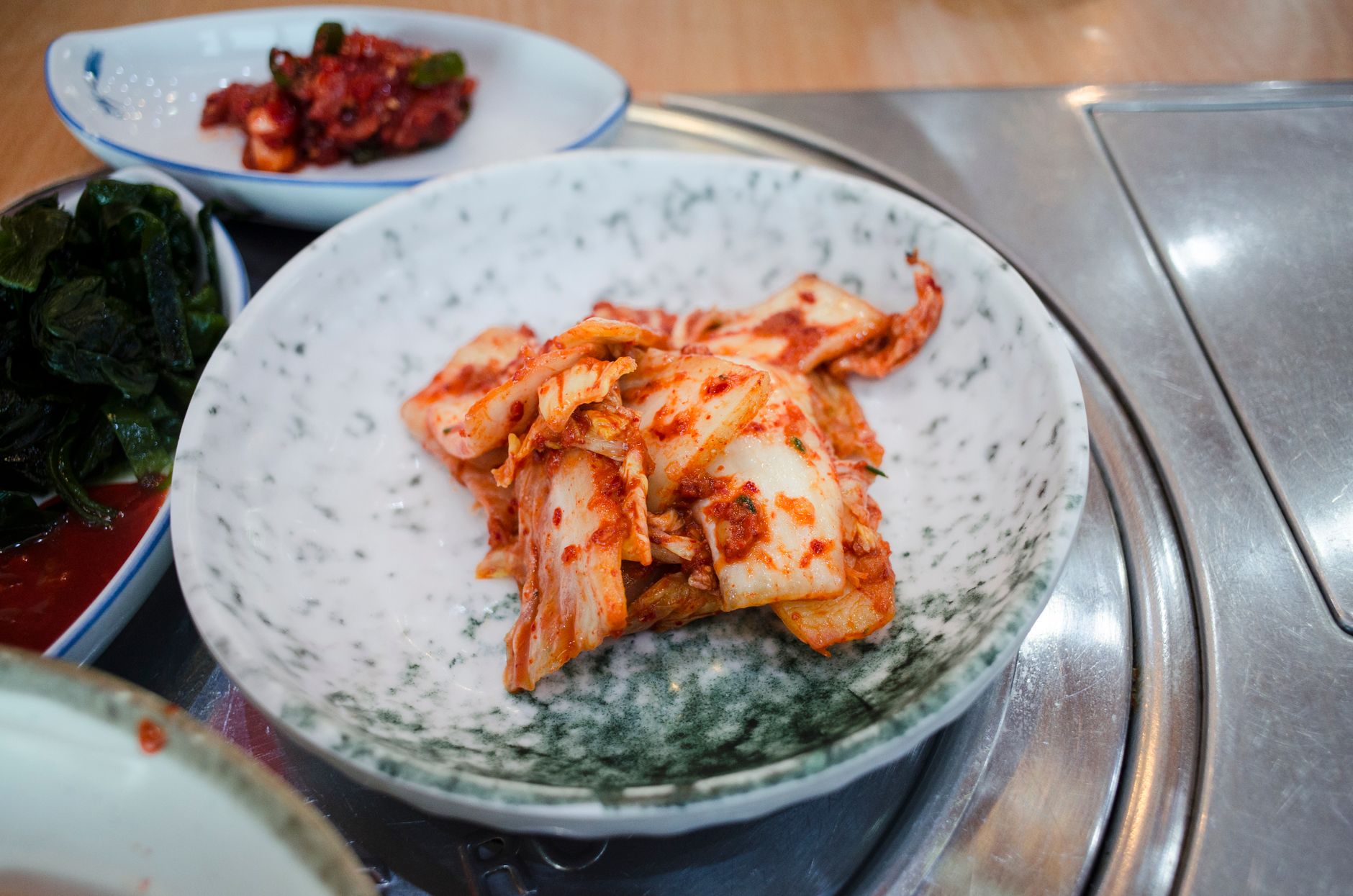
Toasted vs Regular Sesame Oil: Korean & Chinese Cooking
The moment you step into Seoul’s Myeongdong night markets, that rich, toasty scent grabs you—dark sesame oil hitting a hot wok as a vendor tosses spinach for banchan. Five hours later in Chengdu, you’ll meet its pale cousin drizzled over mapo tofu at a street stall. Same name, completely different beasts. Most home cooks don’t realize there are two types, and mixing them up can wreck a dish before the first bite.
Why Korean Cooking Demands the Toasted Version
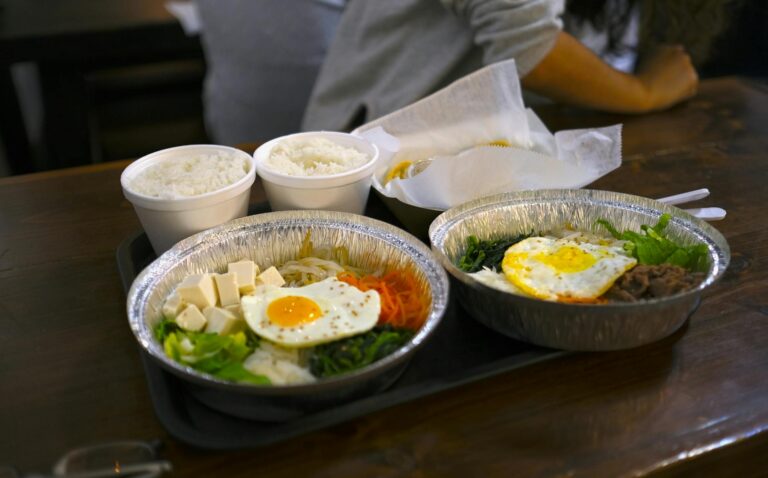
In any Korean market from Seoul to Busan, toasted sesame oil (“chamgireum”) dominates the shelves. Made from seeds roasted nearly black, it’s dark brown with a smoky punch. Koreans treat it like liquid gold—a finishing touch, not for cooking. At Gwangjang Market, watch how one teaspoon transforms blanched bean sprouts with just garlic and salt. It’s the star in bibimbap, the whisper in gochujang sauces, the final flourish on seasoned greens. This oil packs such intensity that high heat murders its magic. Use it like fish sauce: a few drops change everything.
Chinese Cooking’s Secret: Light Sesame Oil for Heat
China’s version is a pale, mild oil from raw seeds. In Sichuan and Hunan, cooks toss it into bubbling broths alongside fiery peppercorns—it carries spice without stealing the show. Try that with toasted oil and you’d nuke the dish. The lighter stuff also shines in cold cucumber salads or dumpling dips where subtlety matters. Unlike its Korean counterpart, you can actually cook with it at moderate heat. Versatility is its superpower.
How to Stock Your Pantry (And Not Waste Money)
Here’s the deal: buy toasted sesame oil only for Korean or Japanese dishes. A tiny bottle lasts ages. For Chinese cooking, grab the regular kind—it’s cheaper and more flexible. Labels tell all: “roasted” means the dark Korean style, “pure” means light. Keep both cool and dark; toasted oil turns fast. If you must choose one? Go regular. It’s harder to mess up. The toasted stuff? Pure intensity—best saved for when you really mean it.