Tokyo
Tokyo Bangkok
 Seoul
Seoul Singapore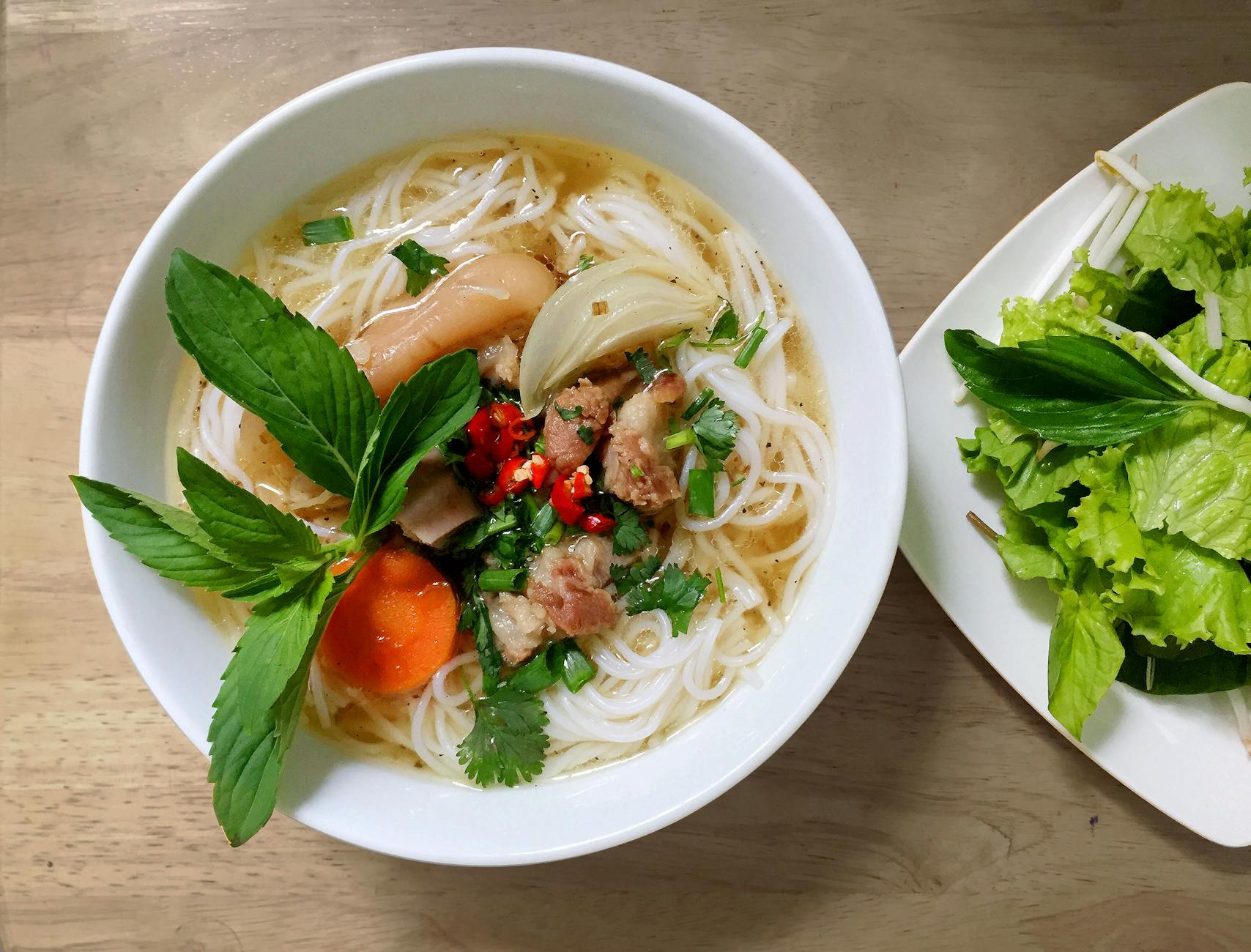
How to Make Vietnamese Pho Broth: The 12-Hour Beef Bone Method
Before dawn in Hanoi’s Dong Xuan Market, Linh has spent half the night watching her stockpot. Steam curls into the cold air as she tweaks the flame under bones that won’t be ready until lunch. Her pho method—passed down from her mother, repeated by countless Vietnamese cooks—isn’t about tradition. It’s necessity. The broth makes or breaks pho. Skip the work, and you’re left with noodle soup that tastes like nothing.
Why 12 Hours of Beef Bones Beats Every Shortcut
Pho broth follows simple rules that don’t bend. Start with beef bones—knuckles, legs, marrow—blanched to clean them, then roasted until they’re nearly black. That 20-minute browning step? Crucial. It’s not for color. The chemical reaction builds flavor you can’t fake. Without it, you get the weak broth that plagues lazy restaurants.
Twelve hours minimum. Some push it to 18. The bones need time to break down completely. At three hours, the liquid still looks like dishwater. By six, it starts resembling food. Hit twelve, and the broth turns rich, clinging to your tongue with deep meatiness. Shortcut this, and you’re not making pho—you’re making beef tea.
Use five pounds of bones for four quarts of broth. Toss in whole onions and ginger raw—you’ll char them later. Hold back on seasoning until the end. The broth should taste undersalted alone. The noodles, meat, and herbs will balance it.
The Charred Onion and Ginger Moment That Changes Everything
Most home cooks miss this step. Raw alliums make flat broth. Charring is mandatory.
Split a yellow onion and a ginger knob lengthwise, skins on. Blacken them directly over flame or in a scorching pan—we’re talking proper carbon patches, not golden edges. Five to eight minutes. That bitterness and smoke transform the broth.
Add them at hour eight or nine. Too early, and their flavor fades. Too late, and they won’t blend right. The timing matters.
Whole spices—star anise, cinnamon, coriander, cloves, black cardamom—get a quick toast first. Five star anise max. Any more, and your pho tastes like candy.
The Thing Nobody Tells You: Temperature Control and Patience as Technique
Keep it at a whisper. A raging boil turns broth greasy and murky. You want lazy bubbles—just enough movement to prove it’s alive. That’s why Linh babysits her pot at 4 a.m. Constant heat adjustments make the difference.
Pressure cookers and slow cookers work in a pinch, but they change the texture. Stovetop simmering gives you control. There’s no real substitute.
Strain through cheesecloth. Cool it. Skim fat if you must (though many leave it). Taste. It should be clean, meaty, faintly sweet. If it’s weak, you rushed the browning or the simmer. No fixing that now.
Make the broth a day ahead. Gently reheat—never boil—before serving. That’s the only way.