Tokyo
Tokyo Bangkok
 Seoul
Seoul Singapore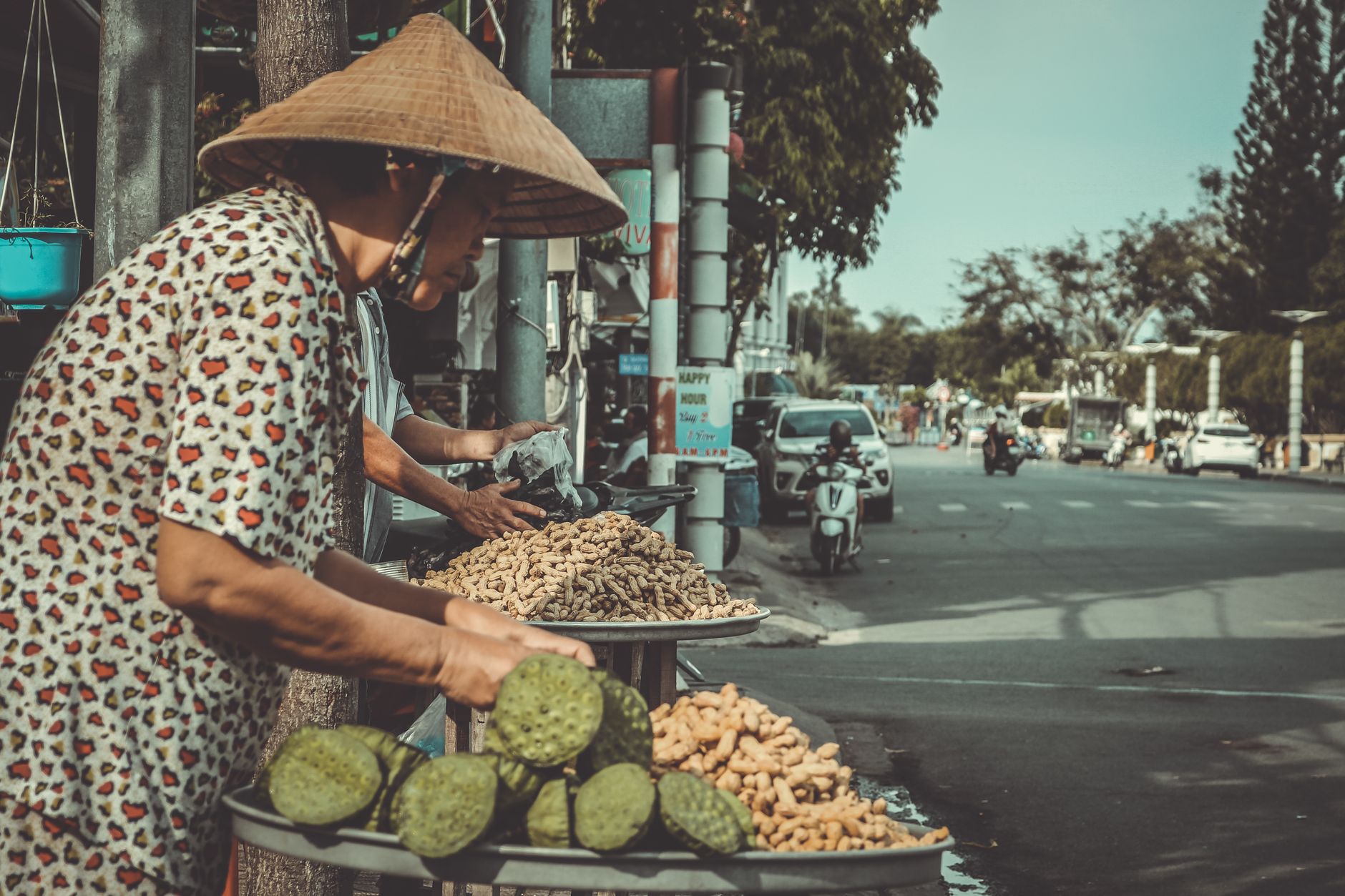
Plant-Based Asian Cooking: Tofu, Tempeh & Seitan Guide
Planning a week in Bangkok? Every food guide pushes the same five overpriced vegetarian spots in Thonglor. Here’s the reality: plant-based Asian food isn’t some niche trend—it’s how millions eat daily. This guide cuts through the tourist traps.
Tofu, Tempeh, and Seitan Aren’t Just Substitutes
These ingredients weren’t invented because meat was scarce. Buddhist and Hindu traditions shaped entire cuisines around them. Chinese cooks use tofu because it absorbs flavors better than meat in certain dishes. In Indonesia, tempeh isn’t a vegetarian alternative—it’s breakfast, lunch, and dinner for everyone. Vietnamese and Thai kitchens rely on seitan’s perfect chewy texture for stir-fries.
Good versions share three traits: fresh ingredients (day-old tofu tastes worlds apart from supermarket rubber), proper technique (silken tofu dissolves in a wok), and respect for the ingredient itself. Bad ones? Overcooked, underseasoned, or trying too hard to impersonate meat.
Where to Eat This Stuff (For Real)
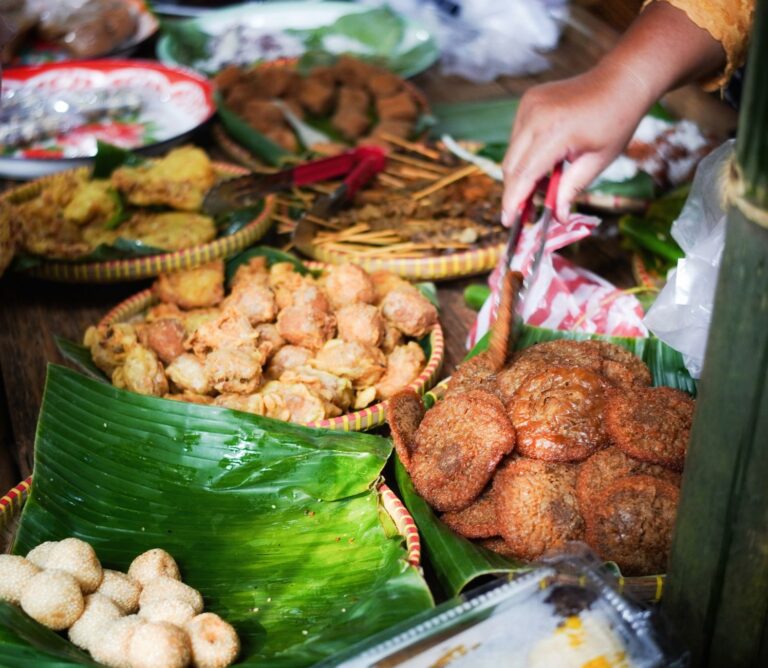
In Seoul, skip the “vegetarian” spots. Hit the tofu shops in Jongno-gu instead. Order soondubu-jjigae where Korean grandmas queue—the tofu melts into spicy seafood broth for 8,000 won. Not a vegetarian dish. Just Tuesday dinner. Jakarta’s Pasar Minggu market sells crispy tempeh with sambal for coffee money on Sundays. Chiang Mai’s Ton Payom market? Get khao soi with extra shallots—the tofu version rivals the meat one.
Lotus root pops up everywhere. Tokyo’s Tsukiji Outer Market sells prepped slices—grab some, dip in soy-mirin at a counter. In Ho Chi Minh City, any com tam joint serves canh chua with its crisp sweetness cutting through sour broth.
Vietnamese bánh mì shops often have seitan, though they won’t call it that. Ask for “đậu phụ” or “wheat meat.” Bangkok’s Chinatown temple stalls sell mock meats that outshine any trendy café—chewy, flavorful, dirt-cheap.
What Western Guides Won’t Say: Vegetarian Restaurants Aren’t Equal
Thailand’s Buddhist-run vegetarian spots? Consistently great and cheap. Taiwan’s Buddhist places? Next-level. Vietnam’s? Hit-or-miss. Korea’s often feel like they’re overcompensating. Your best meal probably isn’t at the place with English menus.
Here’s the secret: stop hunting “vegetarian restaurants.” Eat where plant-based food is the default. Hanoi noodle shops don’t have a veg section—they have noodles, and you pick the protein. Jakarta market stalls serve tempeh to everyone. This is how you eat better, spend less, and actually get how locals live.
Try this: Find the busiest tofu vendor at any neighborhood market. Buy some. Eat it at the nearest stall with whatever they’re serving. Under $3, and you’ll learn more than any Instagrammable meal could teach you.