Tokyo
Tokyo Bangkok
 Seoul
Seoul Singapore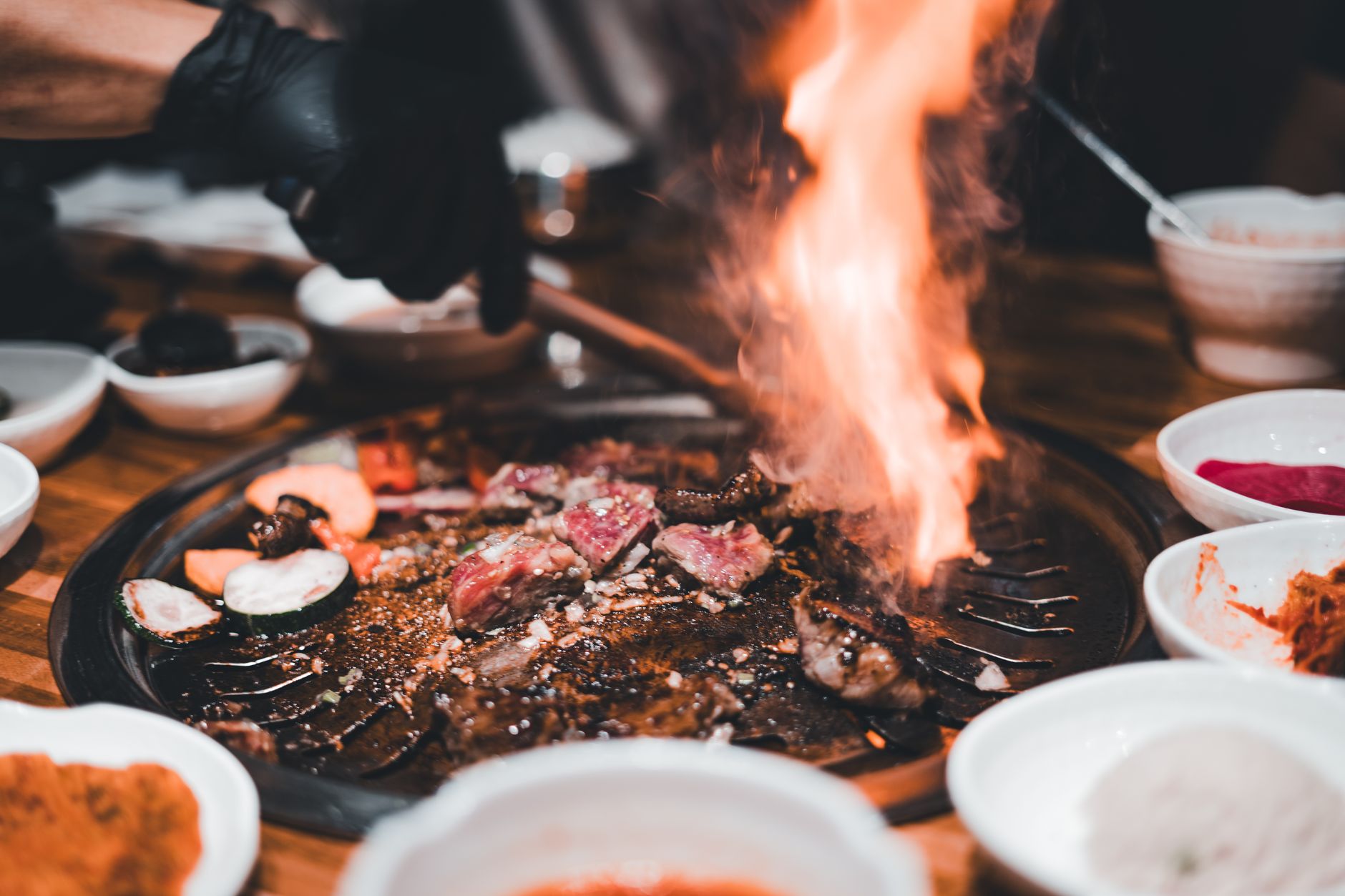
Korean BBQ Marinades: Master Bulgogi, Galbi & Spicy Pork
Most Western cooks treat Korean BBQ marinades like an afterthought—just a quick soy sauce dip before grilling. Big mistake. The marinade isn’t some sidekick; it’s the main event. Nail this, and you’ll see why Korean barbecue isn’t just trendy—it’s objectively better than most Western grilled meat.
Korean marinades work differently. They’re not just about tenderizing or adding flavor. They create layers—enzymes breaking down meat, sugars caramelizing, umami building depth. Top spots like Maple Tree House in Seoul or Koreatown LA’s best joints aren’t hiding secret recipes. They just nail the basics with precision.
Bulgogi: The Sweet-Savory Foundation
Bulgogi marinades walk a tightrope between sweet and savory. The standard ratio: pear juice or grated Asian pear (one medium pear per 2 pounds of beef), soy sauce (½ cup), sesame oil (3 tablespoons), and garlic (4-5 cloves). The pear isn’t just for sweetness—it’s got enzymes that tenderize meat. Science, not magic.
You can swap in brown sugar or honey, but they won’t tenderize. Add grated onion (¼ cup) for extra enzymes. Always grind black pepper fresh—pre-ground tastes dusty. Thin-sliced ribeye or brisket needs 4-24 hours in the fridge. 8-12 hours is the sweet spot—long enough to tenderize, not so long it turns mushy. Grill it hot, and the sugars will crisp into a glossy crust while the inside stays juicy.
Galbi: The Soy-Forward Intensity
Galbi marinades go harder because short ribs are tougher. Here’s where Korean cooks ditch Western habits. The base: soy sauce (¾ cup), pear juice (½ cup), sesame oil (¼ cup), and the game-changer—rice wine (¼ cup). Skip the cheap substitutes. Real Korean rice wine adds depth.
Add garlic (6 cloves), ginger (1 tablespoon), and brown sugar (3 tablespoons). Pro tip: toast star anise and cinnamon in a dry pan for 30 seconds, then steep them in the warm marinade for 15 minutes before removing. That’s the secret to restaurant-quality flavor. Marinate short ribs 12-48 hours—the extra time works here. You want ribs that caramelize on the outside but stay tender enough to pull apart with chopsticks.
Spicy Pork: The Gochujang Equation
Spicy pork marinades live and die by gochujang. This isn’t just heat—it’s fermented, funky, slightly sweet. Mix gochujang (3 tablespoons) with soy sauce (¼ cup), sesame oil (2 tablespoons), rice vinegar (2 tablespoons), and garlic (5 cloves). The vinegar keeps things bright.
Add ginger (1 tablespoon) and sugar (1 teaspoon). Some throw in gochugaru (chili flakes) for extra kick. Pork belly or shoulder needs 6-18 hours in the marinade. The fat soaks up the spice, balancing it with sweetness. Grill it right, and you get crispy edges with sticky, spicy glaze.
The takeaway? These marinades work because they follow rules. Measure carefully. Taste as you go. Understand why each piece matters. Do that, and your Korean BBQ won’t just be good—it’ll be the kind people beg you to make again.