Tokyo
Tokyo Bangkok
 Seoul
Seoul Singapore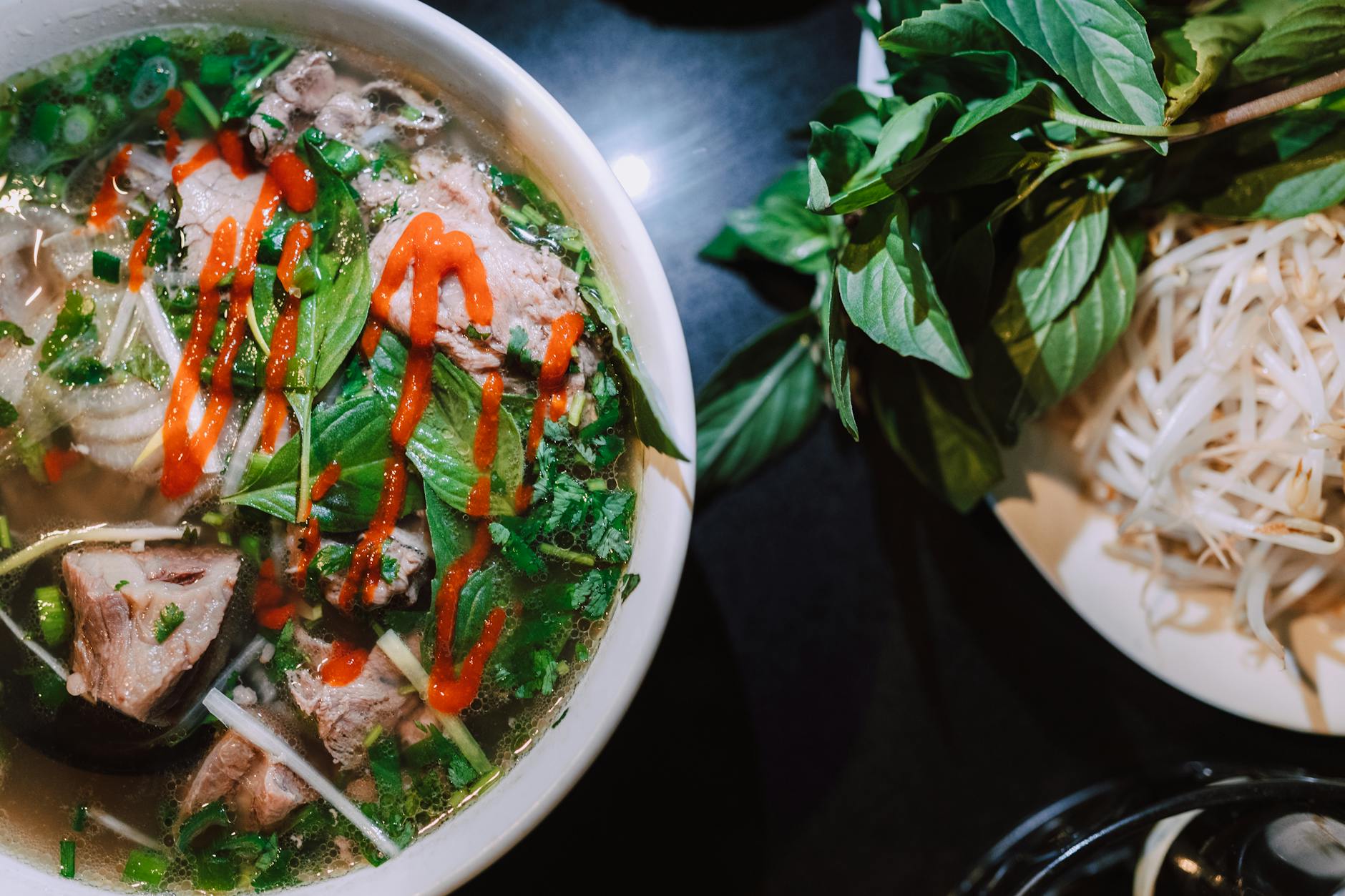
Vietnamese Pho Broth: 12-Hour Beef Bone Method
Mrs. Linh’s Hanoi kitchen smelled like beef bones and patience. At 6 AM, she’d pull her massive broth pot from the stove—steam curling like morning mist over the Red River. That broth had been simmering since 6 PM the night before. “This is why your pho fails,” she told me, tapping my notebook. “You hurry.” Her words stuck.
Why Beef Bones Need 12 Hours
No lies: good pho takes time. Those bones aren’t just boiling—they’re slowly surrendering gelatin and collagen, the stuff that makes broth rich and sticky. Use a mix: knuckle bones for body, marrow-filled leg bones for silkiness, oxtail if you can get it. Each plays a role.
First, blanch the bones. Three minutes in boiling water, then rinse off all the gray scum. Cold water in the pot—about 4 liters for 2 kilos of bones. Keep it at a gentle simmer, not a wild boil. That steady heat coaxes out flavor without clouding the broth. Twelve hours total. Skim the foam early on, then let time do its work.
Blackened Onions, Smoky Depth
Around hour 10, grab two unpeeled onions and a fat knob of ginger. Char them until black over a flame or in a scorching pan. Don’t be shy—let them smoke. Those burnt bits? Pure flavor gold.
Halve the onions, toss everything into the broth. The charring caramelizes sugars and adds a whisper of smoke. This isn’t just beef stock anymore. Two more hours of simmering lets those deep flavors melt into every drop.
The Spice Trick
Last hour: spices. Star anise (4-5 pods), cinnamon stick, cloves, coriander seeds. Toast them first—30 seconds in a dry pan wakes up their oils. Star anise should whisper, not shout. Too licorice-heavy? You’ve overdone it.
Rock sugar finishes things. Not granulated—the big crystals dissolve slowly, balancing the broth’s savory depth. Taste as you go. Perfect pho broth teases your tongue: savory, slightly sweet, spiced but not overpowering.
Strain through cheesecloth. You’ll get about 3 liters of golden, jiggly broth. Cool it completely—that fat cap on top? Leave a thin layer for flavor. Freezes like a dream for months. After one sip of this, you’ll understand Mrs. Linh’s 6 PM start time. Some things can’t be rushed.