Tokyo
Tokyo Bangkok
 Seoul
Seoul Singapore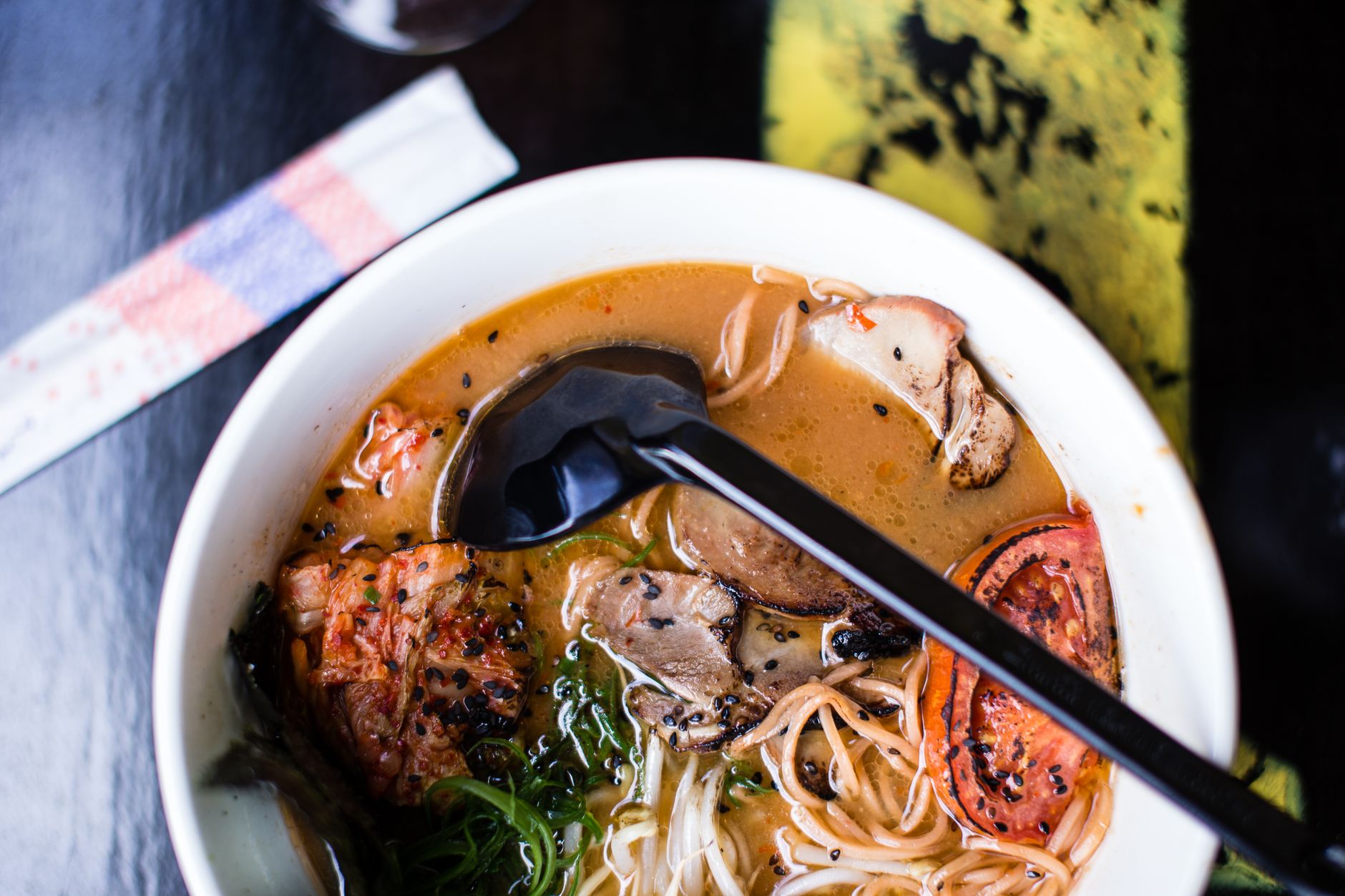
Perfect Shio Ramen Recipe: Authentic Japanese Method
Shio ramen wasn’t always Japan’s go-to bowl—tonkotsu and miso ruled until the 1980s. Then a game-changing shop in Asahikawa, Hokkaido cracked the code on salt-based broths. Suddenly, shio went from backup singer to headliner. The lesson? Sometimes less really is more, if every element sings.
Building Your Shio Broth Foundation
Shio’s soul is in its broth. It looks simple—just salt and clear liquid—but nailing the balance takes work. Unlike tonkotsu’s marathon pork bone boil, shio broth comes together faster. That speed lets individual flavors shine instead of blurring together.
Try this combo: rotisserie chicken stock (cheat code for home cooks), kombu, and dried shiitake. Give it 90 minutes on the stove, then strain through cheesecloth. The kombu works double duty—saltiness and umami—while shiitake adds earthy notes without bulldozing everything. Pro tip: use real sea salt, 2-3 tablespoons per liter. Table salt makes broth taste like a chemistry experiment. Hakodate built its ramen fame on this exact move. And yes, the broth should taste slightly too salty alone. Trust the process.
Tare and Aromatics: Where Depth Happens
The tare is shio’s stealth MVP. This concentrated base waits at the bowl’s bottom, ready to transform hot broth into something magical.
Mix 3 tablespoons sea salt, 2 tablespoons mirin, 1 tablespoon soy sauce, and a tablespoon of sesame oil. Some shops sneak in fish sauce—just a teaspoon—for extra oomph. The mirin keeps things from tasting flat, while sesame oil adds richness without weighing you down.
For smokiness, torch 3-4 scallions and a 2-inch ginger knob until charred. Toss them in the broth for the last 10 minutes (called yakumi), then fish them out. This trick separates pros from amateurs. A dab of chicken fat or lard might sound heavy, but done right, it creates a surprisingly clean finish.
Noodles, Toppings, and Assembly
Noodles can’t be an afterthought. Shio demands wavy, medium-thick kansui noodles that stand up to broth without turning to mush. No fresh noodles? Dried works. Just skip instant—their pre-fried grease clashes with shio’s delicate vibe.
Boil noodles in salted water for 3-4 minutes, drain, then drop them into tare-lined bowls. Hit them with 400-450ml of piping hot broth. Keep toppings simple but purposeful: ajitsuke tamago (those jammy eggs), whisper-thin chashu, nori, bamboo shoots, and a scallion confetti. Some places add karashi mustard or garlic oil, but that’s your call.
Here’s the real test: when you slurp the last drops, the broth should leave you craving more, not reaching for antacids. Nail this once, and Asahikawa’s endless ramen lines will make perfect sense.